
What to Check on a Test Drive Beyond Whether the Car Feels Nice

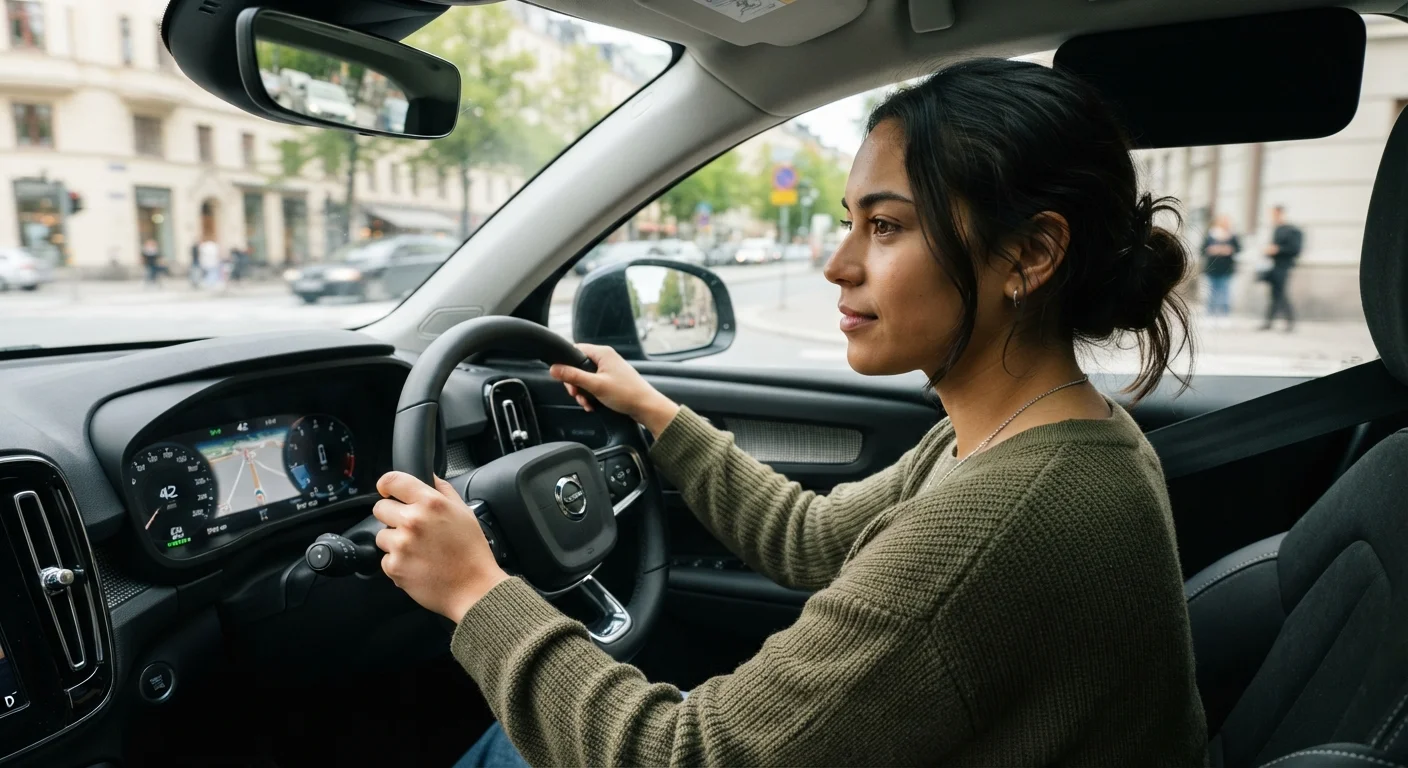
Photo: AnswersSquad.com | Explore Insightful Blogs editorial
Key Takeaways
- A test drive should be a structured evaluation, not just a casual spin around the block.
- Mechanical sounds, brake feel, and visibility are easy to overlook but critical to assess.
- Testing all features - climate, tech, and storage - helps you avoid costly surprises after purchase.
- Driving on multiple road types reveals handling issues that calm parking-lot drives can hide.
- Taking notes during the drive helps you compare multiple vehicles objectively.
Why 'It Feels Nice' Isn't Enough
Most first-time buyers step out of a test drive saying some version of: "It felt great!" That reaction is understandable - sitting in a new or newer car is exciting. But a good feeling in the moment can mask problems that will cost you real money, comfort, or safety down the road.
A test drive is actually your most powerful evaluation tool. It's the one time you can stress-test a vehicle before any money changes hands. The checklist below turns that window of opportunity into a structured inspection - covering mechanics, ergonomics, visibility, and technology - so you leave with data, not just vibes.
Before you even turn the key, check out our end-to-end first car guide to understand the full buying process this test drive fits into.
Before You Pull Out
Engine, Brakes, and Handling
Technology and Comfort Features
Practicality and Visibility
After the Drive
How to Use This Checklist Effectively
Print this list or save it on your phone before you arrive at the dealership or meet a private seller. Ask for at least 20-30 minutes of uninterrupted drive time - enough to cover city streets, a highway on-ramp, and ideally a speed bump or rough patch of road. Each of those conditions reveals something different about the vehicle.
Don't Let the Seller Rush You
Take brief notes after each section - even a simple 1-5 rating per category helps enormously when you're comparing two or three vehicles later. Memory is unreliable when excitement is involved.
After the drive, you'll also want to think about ongoing costs. Our guide to car costs and insurance walks through what to expect financially once you own the vehicle.
Notepad or phone notes app
Record ratings and observations for each checklist category during and immediately after the drive.
Vehicle history report service
Pull the car's ownership, accident, and title history using the VIN (Vehicle Identification Number) before committing.
OBD-II scanner (or mechanic inspection)
Read stored diagnostic trouble codes from the car's computer, which can reveal hidden issues the seller hasn't disclosed.
Flashlight
Inspect under the vehicle and inside the engine bay for leaks, rust, or damage in shadowed areas.
The content provided on our blog site traverses numerous categories, offering readers valuable and practical information. Readers can use the editorial team’s research and data to gain more insights into their topics of interest. However, they are requested not to treat the articles as conclusive. The website team cannot be held responsible for differences in data or inaccuracies found across other platforms. Please also note that the site might also miss out on various schemes and offers available that the readers may find more beneficial than the ones we cover.