
Car Running Costs That Catch First-Time Owners Off Guard

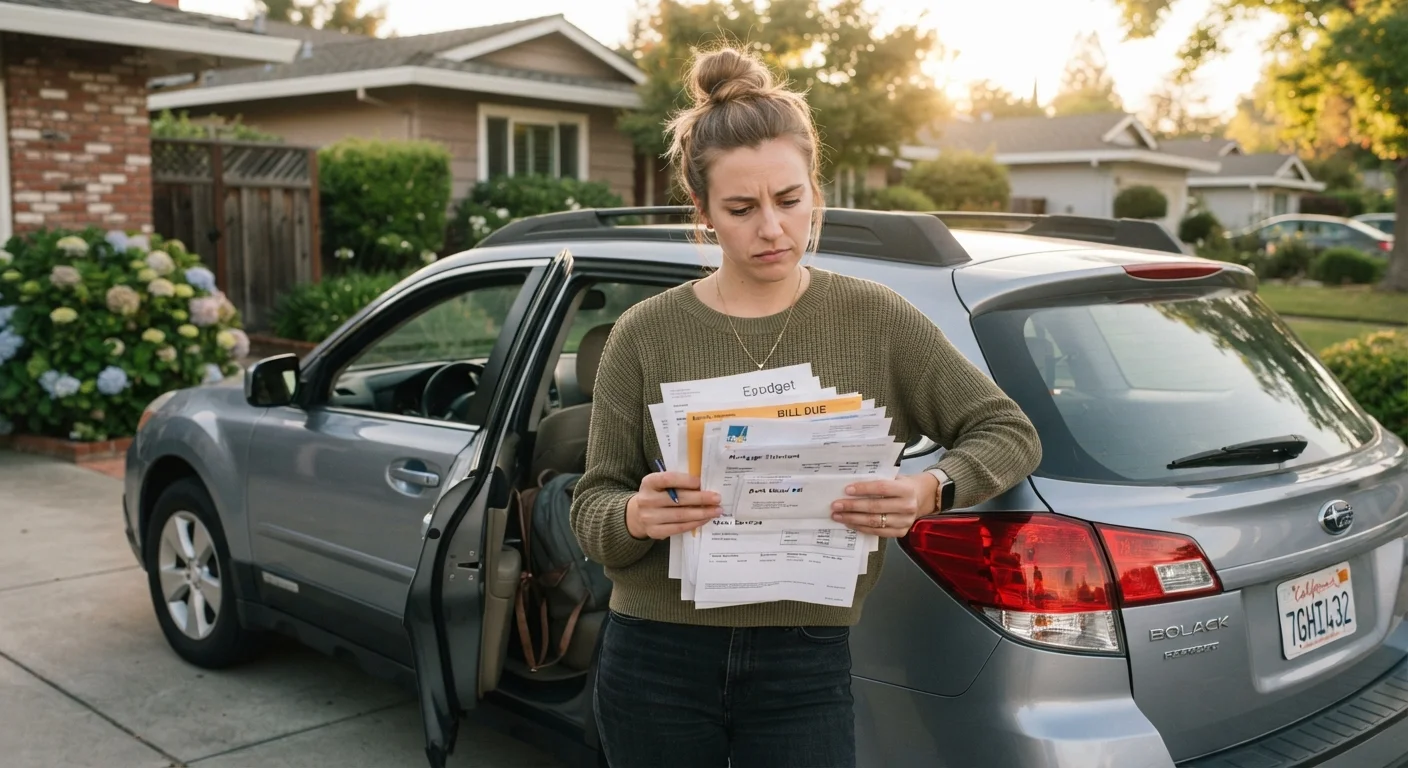
Photo: AnswersSquad.com | Explore Insightful Blogs editorial
Key Takeaways
- Registration fees, smog checks, and title costs are recurring government charges many first-time buyers forget to budget for.
- Tires wear out faster than expected and replacing a full set can cost several hundred dollars.
- Roadside assistance, parking, and car washes are small recurring costs that quietly drain your annual budget.
- Depreciation reduces your car's resale value every year, even when the vehicle runs perfectly.
- Building a dedicated car fund - separate from emergency savings - helps absorb unexpected running costs.
The Costs Hiding Behind the Purchase Price
Most first-time buyers spend weeks researching the purchase price or monthly loan payment, then get blindsided once the keys are in hand. The headline number - whether you're financing or paying cash - represents only a fraction of what you'll actually spend each year. Running costs layer on top quietly, month after month, and they rarely appear in any dealership conversation.
Understanding these expenses before you buy gives you a realistic budget and helps you avoid the financial stress that catches so many new owners off guard. For a broader look at how purchase-price thinking can lead to overspending, see why first-time buyers often spend more than they planned.
Below are the running costs most commonly overlooked - not the obvious ones like fuel and insurance, but the expenses that show up unexpectedly and leave new owners scrambling.
Annual Registration and Title Renewal Fees
Every state requires vehicles to be registered, and that registration must typically be renewed each year. Fees vary widely by state - ranging from modest flat rates to amounts tied to your vehicle's value, weight, or age. Some states also require a separate title fee when ownership transfers. First-time buyers often account for the initial registration at purchase but forget that the bill returns annually.
In states that use value-based registration (sometimes called an ad valorem fee), a newer or more expensive vehicle can mean a noticeably higher renewal cost. Check your state's DMV website for the exact formula so you can project future costs accurately.
Registration fees return every year - and in some states, they're tied directly to your car's value.
Smog and Emissions Testing
Many states require periodic emissions or smog inspections - commonly every one or two years - as a condition of renewing your registration. The test itself usually carries a fee, and if your vehicle fails, you'll need repairs before it can pass. Those repair costs are separate and can range from minor to significant depending on what triggered the failure.
Before buying a used vehicle in particular, it's worth checking whether it's due for an emissions test soon and whether there's any history of prior failures. This is one area where a pre-purchase inspection by a qualified mechanic pays for itself.
A failed emissions test means repair costs on top of the inspection fee - before you can legally re-register.
Tire Replacement
Tires are a consumable part of your vehicle - they wear down with use and eventually need replacing. Most passenger tires are designed to last somewhere between 25,000 and 50,000 miles depending on the tire type, your driving habits, and road conditions. Replacing all four tires at once, which is often recommended for even wear and handling consistency, can cost several hundred dollars including mounting and balancing.
New owners frequently underestimate how quickly tires wear, particularly if they drive on rough roads, live in a climate with harsh winters, or regularly carry heavy loads. Building a tire replacement line item into your annual budget - even as a prorated monthly figure - prevents sticker shock when the time comes. For more on tyre-related oversights, see common running cost assumptions that cost young drivers.
Replacing all four tires at once can cost several hundred dollars - an expense many new owners don't see coming.
Roadside Assistance Membership
Roadside assistance covers services like towing, flat tire help, jump-starts, and lockout assistance. Some new vehicles include this through the manufacturer for a limited period, and some auto insurance policies bundle a basic version. However, many drivers - especially those with older used cars - end up paying for a standalone membership or relying on per-incident towing fees, which can be costly in a pinch.
An annual roadside assistance membership is relatively affordable, but it's still an ongoing cost that should be factored into your budget. More importantly, driving without any coverage is a financial gamble - a single tow from a highway breakdown can easily exceed the cost of a full year's membership.
One highway tow can cost more than an entire year of roadside assistance membership.
Parking Costs and Tolls
If you live or work in an urban area, parking quickly becomes a significant recurring cost. Monthly garage or permit fees, daily metered parking, and occasional parking tickets all add up. Toll roads, bridges, and tunnels contribute further, especially if they're part of your daily commute.
These costs are highly location-dependent, which makes them easy to overlook during the research phase of buying a car. Someone moving to a new city or starting a new job downtown may discover their actual parking spend is far higher than anticipated. Mapping out your regular routes and researching parking infrastructure before you buy can save budget surprises later.
Monthly parking fees in urban areas can rival a car payment - yet rarely appear in ownership cost estimates.
Depreciation as a Real Financial Loss
Depreciation - the reduction in your vehicle's market value over time - isn't a bill you pay each month, but it's one of the largest real costs of ownership. New vehicles typically lose a significant portion of their value in the first few years. Even a well-maintained used vehicle depreciates further while you own it.
This matters because when you eventually sell or trade in the vehicle, you'll receive less than you paid. The gap between what you paid and what you receive is a real financial loss, even if the car ran perfectly. Understanding depreciation is especially relevant if you're thinking about financing - you don't want to owe more on a loan than the car is worth. For a thorough explanation of how this works, depreciation and why it matters for your long-term budget is worth reading.
Depreciation is one of the largest real costs of car ownership - even when nothing ever goes wrong.
Car Washing, Detailing, and Upkeep Products
Keeping a vehicle clean isn't just cosmetic - road salt, bird droppings, and grime can damage paint and accelerate rust if left unaddressed. Regular washing, occasional detailing, and basic upkeep products (wiper fluid, touch-up paint, interior cleaners) are small costs individually but accumulate meaningfully over the course of a year.
Professional detailing services, which many owners use once or twice annually to maintain interior and exterior condition, can cost anywhere from moderate to significant depending on the service level and your location. If you plan to sell the vehicle eventually, good cosmetic condition does affect resale value - so these costs can carry a return, but they're still costs to budget for now. The car maintenance tips hub covers upkeep habits that support both vehicle longevity and value.
Regular washing isn't optional - neglecting it can accelerate rust and reduce your car's resale value.
Building a Realistic Annual Car Budget
Once you recognize all these costs exist, the next step is quantifying them for your specific situation. Add up estimated annual amounts for each category - registration, tires prorated over their expected lifespan, any toll or parking costs, roadside assistance, and a buffer for unexpected repairs - alongside your known fuel and insurance expenses. The total is your true annual cost of ownership.
Create a Dedicated Car Fund
For guidance on folding these figures into a broader personal budget, the budgeting basics hub offers practical frameworks. If you want to go deeper on managing all car-related expenses once you own a vehicle, keeping car costs under control on a tight budget covers proven habits that don't require cutting corners on safety.
This article is for general informational and educational purposes only and does not constitute financial or legal advice. Costs vary significantly by state, vehicle type, and individual circumstances. Consult relevant official sources and, where appropriate, a qualified financial professional before making decisions about your vehicle budget.
The content provided on our blog site traverses numerous categories, offering readers valuable and practical information. Readers can use the editorial team’s research and data to gain more insights into their topics of interest. However, they are requested not to treat the articles as conclusive. The website team cannot be held responsible for differences in data or inaccuracies found across other platforms. Please also note that the site might also miss out on various schemes and offers available that the readers may find more beneficial than the ones we cover.