
Bodyweight Training at Home: Building a Routine Without Equipment

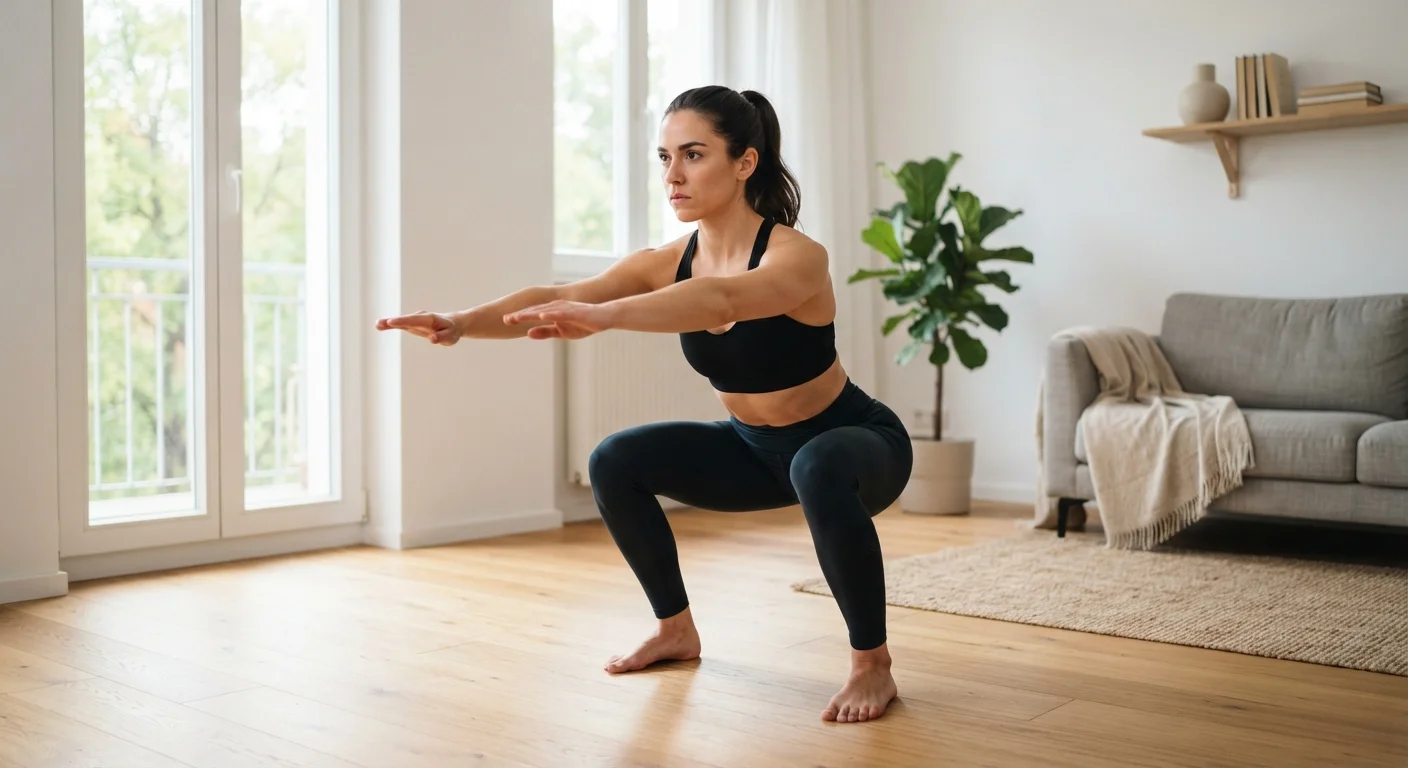
Photo: AnswersSquad.com | Explore Insightful Blogs editorial
Key Takeaways
- Bodyweight training can build real strength and endurance without any equipment or gym access.
- A well-structured routine balances push, pull, hinge, squat, and core movements.
- Progressive overload - gradually increasing difficulty - applies to bodyweight exercise just as it does to weights.
- Rest days and consistency matter more than any single perfect workout.
- You can start with as little as 15-20 minutes, three days per week.
Why Bodyweight Training Actually Works
There's a persistent myth that you need barbells, machines, or a gym membership to build meaningful fitness. The evidence doesn't support that. Bodyweight exercises load your muscles through resistance - your own weight - and when applied progressively and consistently, that's enough stimulus to build strength, muscular endurance, and cardiovascular capacity. Research consistently shows that resistance training of any kind, performed regularly, supports muscle maintenance, bone health, and metabolic function. For a refresher on what the evidence actually says about common exercise beliefs, this article on exercise myths is worth a read.
The practical advantage is equally real: no commute, no waiting for equipment, no membership fee, no intimidating environment. The floor space in a typical bedroom or living room is genuinely enough to run a full-body session. The main requirement is consistency, not equipment.
Form first, always
What You Need Before You Start
The physical requirements are minimal. You need enough floor space to extend your body fully in all directions, clothing you can move in, and a way to track time. That's it.
What you will need
Beyond the physical setup, the more useful preparation is mental: managing your expectations at the start. Most people starting from zero will feel awkward in the first one or two weeks. Movement patterns like push-ups and lunges involve coordination as much as strength, and that takes repetition to develop. Progress is real but rarely dramatic in the first few weeks - and that's completely normal.
Exercise mat or folded blanket
Provides cushioning for floor-based movements like planks, push-ups, and core work.
Timer or phone stopwatch
Helps you track work and rest intervals during circuit-style sessions.
Sturdy chair or low table
Can be used for incline push-ups or assisted single-leg exercises as a progression tool.
How to Structure Your Routine Step by Step
Understand the movement categories you need
A balanced routine covers five basic movement patterns: push (push-ups, pike push-ups), pull (if you have a bar - or substitute with towel rows), hinge (glute bridges, Romanian deadlift stance), squat (bodyweight squats, lunges), and core (planks, dead bugs). You don't need every category in every session, but rotating through all five across the week keeps your body balanced and reduces injury risk. If some of these terms are new to you, our plain-language fitness glossary explains them without the jargon.
Choose a realistic weekly schedule
Three days per week with a rest or light-movement day between sessions is a sustainable starting point for most beginners. A common pattern is Monday, Wednesday, Friday - but any three non-consecutive days work. Consistency over time matters far more than the specific days you choose. For a deeper look at designing a weekly rhythm that fits your actual life, see this practical weekly movement framework.
Build your starter session
A basic 20-minute session can follow this structure:
- Warm-up (3-5 min): Slow arm circles, hip rotations, leg swings, and a few easy squats to raise your heart rate gently.
- Main circuit (12-15 min): Choose 4-5 exercises, perform each for a set number of reps or 30-40 seconds, rest 30-60 seconds between exercises, and repeat the circuit 2-3 times.
- Cool-down (2-3 min): Gentle static stretches held for 20-30 seconds each - focus on the muscles you worked.
A sample circuit might include: 10 bodyweight squats, 8 push-ups (from knees if needed), a 20-second plank, 10 glute bridges, and 8 reverse lunges per leg.
Apply progressive overload over time
Progressive overload means gradually making your workouts harder so your body keeps adapting. With bodyweight training you do this by adding reps, slowing the movement down (a 3-second lower in a push-up is harder than a fast one), reducing rest time, or advancing to a harder exercise variation - standard push-ups instead of knee push-ups, for example. Small, regular increases beat sporadic big jumps every time.
Monitor how your body responds and adjust
Mild muscle soreness 24-48 hours after a new session is normal and expected. Sharp, joint-specific, or persistent pain is not - stop the exercise and, if it continues, speak with a healthcare professional. If you feel fatigued rather than energised after several weeks, you may need more rest or a slightly lower training volume. Your routine should feel challenging but manageable, not draining.
Once you've established a foundation - say, six to eight weeks of consistent three-day-per-week training - you can begin exploring whether adding light cardio intervals or a fourth training day makes sense for your goals. Strength training and cardio don't have to compete - understanding how to balance them is a useful next step.
Staying Consistent Over the Long Term
The biggest predictor of results from any exercise routine is whether you actually stick with it. That sounds obvious, but it reshapes how you should make decisions about your routine. A 20-minute session you do three times a week for six months beats a 60-minute program you abandon after two weeks by a wide margin.
Pain is different from discomfort
A few things that tend to help with consistency: scheduling sessions at a fixed time rather than waiting for motivation to show up, keeping early sessions short enough that they're easy to start, and tracking your workouts in some simple form so you can see progress accumulating. Many people also find that physical movement has meaningful knock-on effects for mood and stress - pairing exercise with a broader wellness routine can reinforce both habits.
This article is for general informational and educational purposes only and does not constitute medical or professional exercise advice. Always consult a qualified healthcare professional before beginning any new exercise program, particularly if you have existing health conditions or injuries.
The content provided on our blog site traverses numerous categories, offering readers valuable and practical information. Readers can use the editorial team’s research and data to gain more insights into their topics of interest. However, they are requested not to treat the articles as conclusive. The website team cannot be held responsible for differences in data or inaccuracies found across other platforms. Please also note that the site might also miss out on various schemes and offers available that the readers may find more beneficial than the ones we cover.