
Why Your New Exercise Routine Falls Apart by Week Three

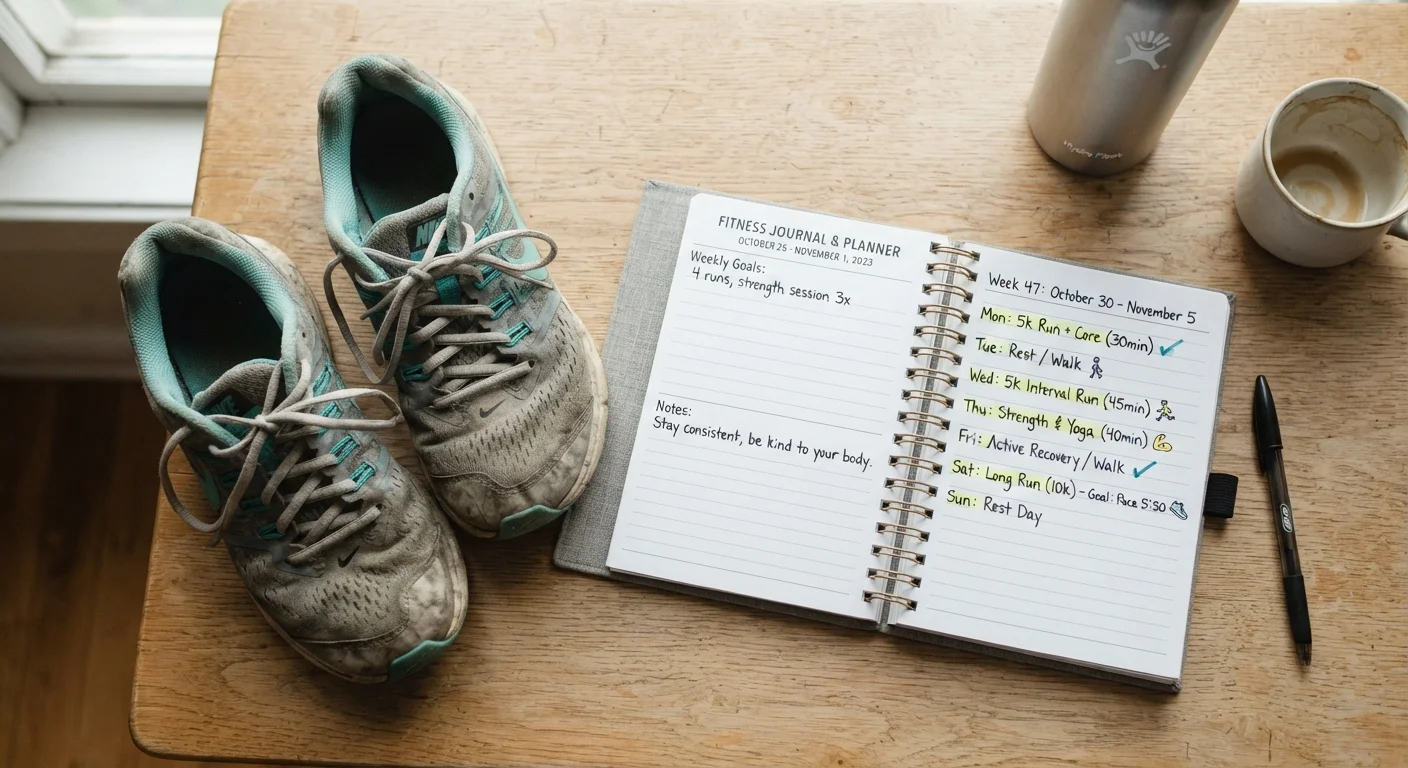
Photo: AnswersSquad.com | Explore Insightful Blogs editorial
Key Takeaways
- Starting too intensely is the most common reason new routines collapse by week three.
- Motivation is unreliable as a long-term driver - structure and habits carry you further.
- Skipping rest is a hidden saboteur that makes exercise feel punishing instead of sustainable.
- Vague goals leave you with nothing to measure progress against, which erodes commitment quickly.
- Small, consistent movement beats ambitious sporadic effort every time.
Week Three Is Where Most Routines Die
There's a reason gyms are packed in early January and quiet by February. It's not a lack of desire - most people genuinely want to be more active. The problem is that the way most of us start a new exercise routine is almost perfectly designed to make it fall apart.
The pattern is predictable: high enthusiasm in week one, some soreness and slight doubt by week two, and then somewhere in week three, a combination of fatigue, disrupted schedule, and faded motivation quietly ends the whole thing. This isn't a willpower problem. It's a design problem - and it's fixable.
Common fitness myths often make this worse by setting unrealistic expectations about what progress should look like and how fast it should arrive. Understanding where routines actually break down is the first step to building one that doesn't.
The Mistakes That Kill New Routines
Most exercise habits collapse for a handful of predictable reasons. Recognising them before you start - or mid-routine if you're already flagging - gives you a real chance to adjust course.
Starting at an intensity that's too high, too soon.
Treating motivation as the main fuel for the habit.
Setting goals that are too vague or too ambitious.
Skipping rest days and undervaluing recovery.
Choosing exercise you genuinely dislike.
Treating a missed session as a failed routine.
The good news is that none of these mistakes are character flaws. They're patterns that make complete sense given how we think about exercise - and they're correctable.
What a Sustainable Routine Actually Looks Like
This Is General Information, Not Medical Advice
Sustainable exercise doesn't look like grinding through sessions you dread. It looks like movement you've woven into ordinary life - a 20-minute walk after lunch, a twice-weekly strength session at a consistent time, a bike ride on weekends. The specifics matter less than the consistency.
Designing a weekly movement rhythm that fits real life is far more effective than following a program built around an ideal schedule you don't actually have. Start smaller than feels necessary, protect your rest days, and treat the habit as the goal - not the performance.
The principles that make exercise habits stick aren't complicated. They parallel what works in other areas of life too - consistency over intensity is the central idea behind durable fitness habits. The goal in week three isn't to be fitter - it's to still be moving. That's the whole win.
This article is for general informational and educational purposes only and does not constitute medical or fitness advice. Speak with a qualified healthcare professional before beginning any new exercise program, particularly if you have an existing health condition or injury.
The content provided on our blog site traverses numerous categories, offering readers valuable and practical information. Readers can use the editorial team’s research and data to gain more insights into their topics of interest. However, they are requested not to treat the articles as conclusive. The website team cannot be held responsible for differences in data or inaccuracies found across other platforms. Please also note that the site might also miss out on various schemes and offers available that the readers may find more beneficial than the ones we cover.