
The Science Behind Why Sleep Deprivation Wrecks Your Mood

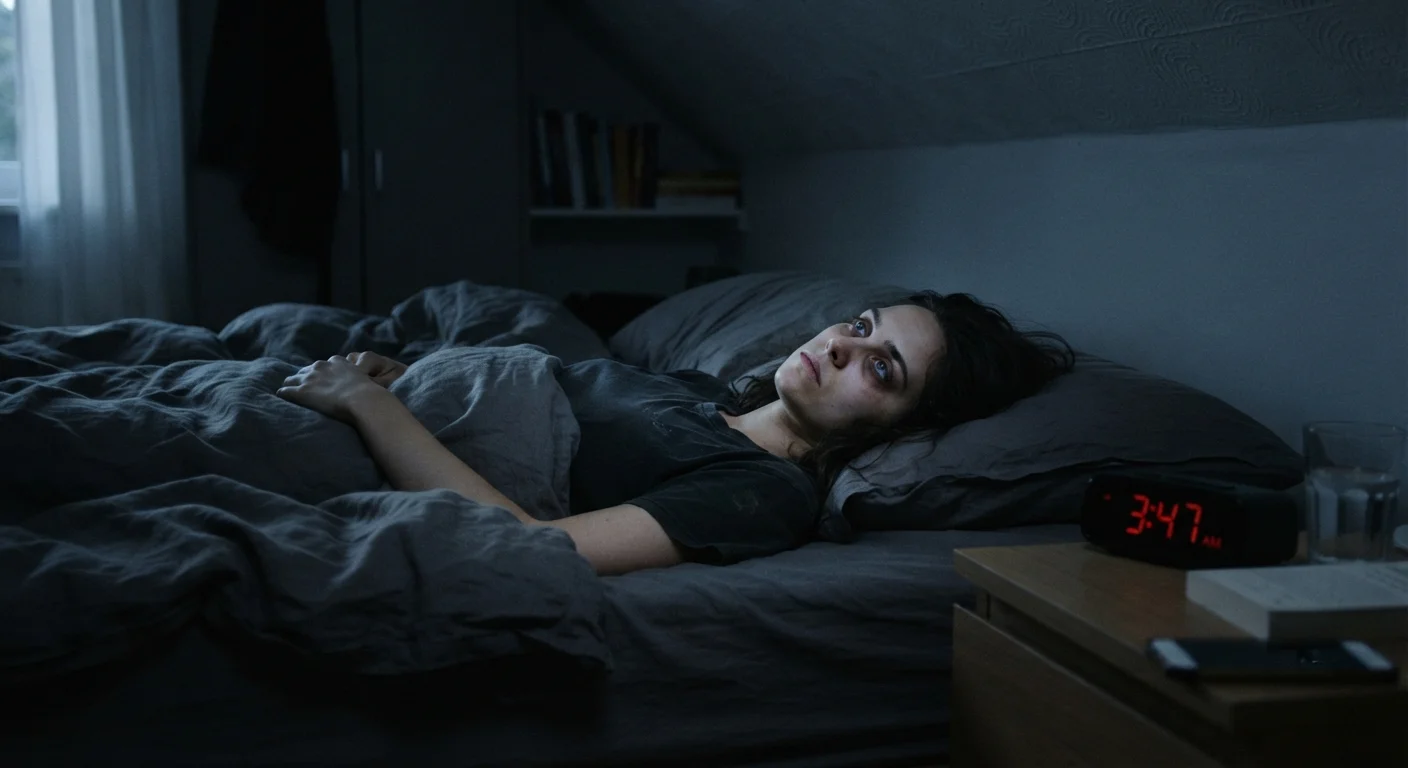
Photo: AnswersSquad.com | Explore Insightful Blogs editorial
Key Takeaways
- Sleep loss amplifies emotional reactivity by impairing the brain's ability to regulate the amygdala.
- Even one or two nights of poor sleep can measurably shift mood toward irritability and anxiety.
- Chronic short sleep is associated with higher risk of depression and anxiety disorders.
- REM sleep plays a specific role in processing emotional memories and reducing emotional intensity.
- Consistent sleep schedules support mood stability as much as total sleep duration.
What Happens in Your Brain When You Don't Sleep Enough
Sleep isn't downtime for your brain - it's active maintenance. During sleep, your brain consolidates memories, clears metabolic waste, and critically, recalibrates the circuits that govern how you respond emotionally to the world around you.
When sleep is cut short, two key players go out of balance: the amygdala and the prefrontal cortex. The amygdala is your brain's fast-response alarm system - it flags threats, negative stimuli, and emotionally loaded experiences. The prefrontal cortex acts as the rational moderator, putting those signals in context and dialing down overreactions.
Research using neuroimaging has shown that after sleep restriction, the amygdala becomes significantly more reactive to negative images and stressful scenarios. At the same time, the functional connection between the amygdala and the prefrontal cortex weakens. The result is a brain that's quicker to alarm and slower to calm down - a combination that shows up in everyday life as irritability, mood swings, and a shorter emotional fuse.
This Is Biology, Not Weakness
The Role of REM Sleep in Emotional Processing
Not all sleep stages are equal when it comes to mood. REM sleep - the stage most associated with vivid dreaming - appears to play a specific role in emotional regulation. Current research suggests REM sleep allows the brain to reprocess emotionally significant experiences in a neurochemical environment with lower norepinephrine (a stress-related chemical), which may help reduce the emotional charge of difficult memories over time.
When REM sleep is consistently cut short - as often happens with early alarms, alcohol consumption before bed, or irregular sleep schedules - this processing is disrupted. Emotions tied to stressful events can feel harder to shake, and the emotional weight of negative experiences doesn't diminish as it normally would with adequate rest.
This is one reason why poor sleep and conditions like anxiety can reinforce each other: anxiety disrupts sleep, reduced sleep impairs emotional processing, and unprocessed emotional stress makes anxiety worse.
“Sleep is not an optional lifestyle luxury. It is a non-negotiable biological necessity. It is your life-support system, and it is Mother Nature's best effort yet at immortality.”
— Matthew Walker, Professor of Neuroscience and Psychology, University of California, Berkeley; author of research on sleep and the brain
Short-Term vs. Long-Term Mood Effects
Even a single night of significantly shortened sleep can shift your emotional baseline. Studies observing healthy adults after one night of sleep restriction have documented increases in self-reported anxiety, greater emotional reactivity, and reduced positive affect - meaning fewer moments of feeling good during the day, even when circumstances haven't changed.
Over time, the effects compound. Chronic short sleep - consistently getting fewer than 7 hours - is associated with elevated risk for clinical depression and anxiety disorders. It also blunts the brain's response to positive stimuli, which can leave people feeling emotionally flat or unmotivated even when nothing overtly negative is happening.
It's worth noting that the relationship between sleep and mood isn't one-directional. Just as sleep deprivation worsens mood, mood disorders can make restful sleep harder to achieve. If you find that poor sleep and low mood are both persistent, speaking with a healthcare professional is a worthwhile step - this general information isn't a substitute for personal medical advice.
Sleep is just one piece of the picture. What you eat and drink also influences how your brain and body regulate energy and emotion. See our guide to hydration and how it affects how you feel for related context.
~60%
Increased amygdala reactivity after sleep loss
Neuroimaging research has found amygdala responses to negative stimuli can increase by roughly 60% following sleep restriction compared to well-rested baselines.
7-9 hrs
Recommended nightly sleep for most adults
Sleep research consensus, reflected in guidance from major sleep medicine organizations, places the healthy adult range at 7 to 9 hours per night.
1 in 3
U.S. adults regularly getting less than 7 hours
CDC surveillance data has consistently found that approximately one-third of American adults report sleeping fewer than 7 hours on most nights.
What You Can Realistically Do About It
The core fix is straightforward in principle: prioritize consistent, sufficient sleep. In practice, that's often complicated by work, school, social schedules, and the scroll habits that keep people awake past the point they intended. A few evidence-informed principles are worth knowing.
- Consistency matters as much as quantity. Going to bed and waking at roughly the same time each day - including weekends - helps anchor your circadian rhythm and supports more stable mood across the week.
- Light exposure shapes sleep timing. Morning light exposure helps set your internal clock earlier; bright screens late at night push it later. This isn't about eliminating screens, but being aware of the tradeoff.
- Alcohol is not a sleep aid. It may speed sleep onset but reliably disrupts REM sleep and overall sleep quality, which has direct downstream effects on emotional regulation.
Physical activity is another evidence-backed lever. Regular movement supports both sleep quality and mood regulation through overlapping mechanisms. Our article on physical activity and mental wellness covers those connections in more detail.
If changes to sleep habits don't resolve persistent mood difficulties, a qualified healthcare professional can help assess whether other factors - medical, psychological, or environmental - are contributing.
This article is for general informational and educational purposes only and is not medical advice. If you are experiencing persistent mood changes, sleep difficulties, or mental health concerns, please consult a qualified healthcare professional.
Frequently Asked Questions
The content provided on our blog site traverses numerous categories, offering readers valuable and practical information. Readers can use the editorial team’s research and data to gain more insights into their topics of interest. However, they are requested not to treat the articles as conclusive. The website team cannot be held responsible for differences in data or inaccuracies found across other platforms. Please also note that the site might also miss out on various schemes and offers available that the readers may find more beneficial than the ones we cover.