
Apartment Garden Setup Checklist

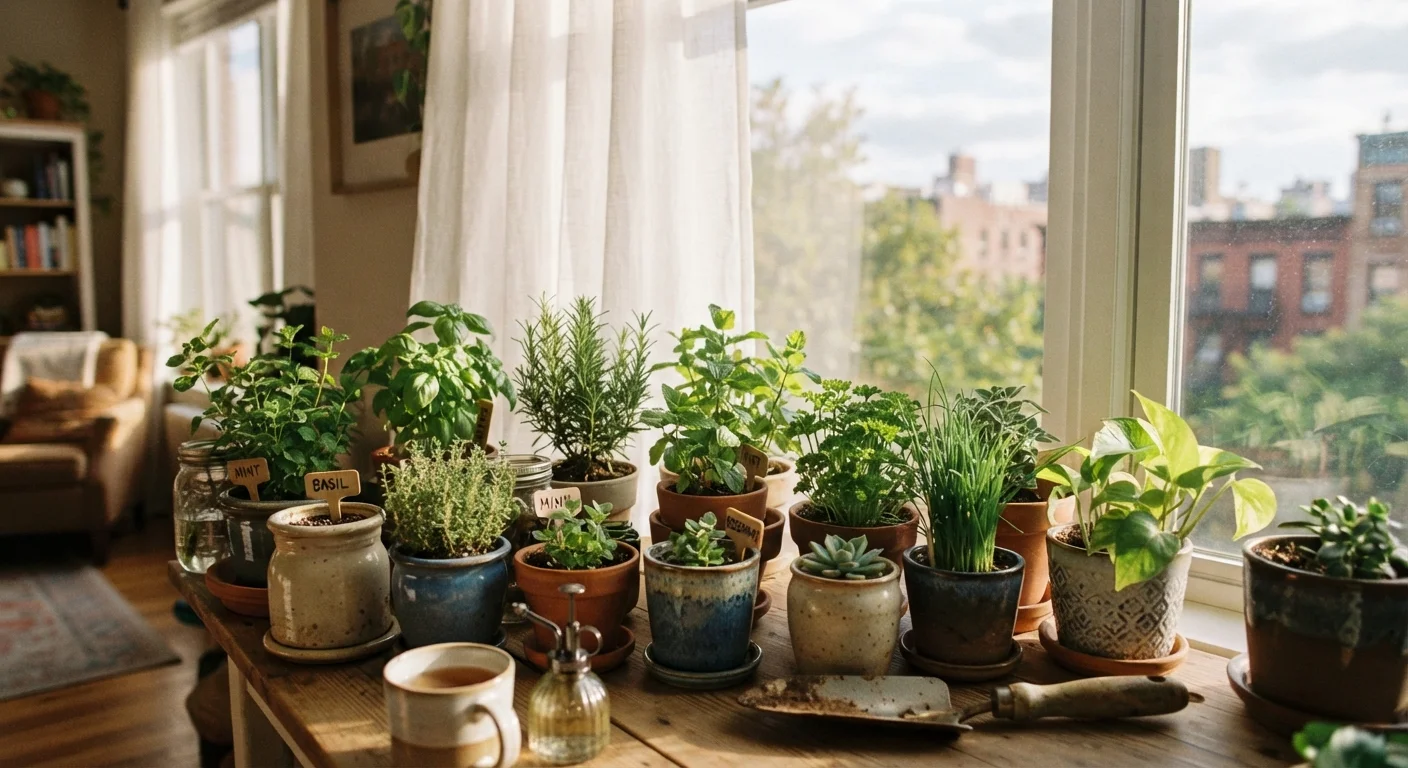
Photo: AnswersSquad.com | Explore Insightful Blogs editorial
Key Takeaways
- Assess your apartment's light conditions before choosing any plants.
- Proper drainage is essential - waterlogged roots are the most common beginner mistake.
- Start with a small number of forgiving plant varieties to build confidence.
- Budget for basic supplies before your first plant purchase to avoid scrambling later.
- Even a north-facing room can support certain low-light plants successfully.
Why a Checklist Saves Your Plants (and Your Money)
Most apartment gardens fail in the first month - not because the plants were difficult, but because the setup was rushed. A new plant arrives, you find a spot that looks nice, and two weeks later it's yellowing. The culprit is almost always something that could have been caught beforehand: too little light, no drainage hole, or soil that holds too much moisture for that particular variety.
Running through a structured checklist before you spend a dollar on plants means you're setting up for success rather than rescue missions. This guide walks you through every phase - from reading your space to stocking your supply kit - so your first (or next) apartment garden actually takes root.
If you're thinking about how apartment gardening fits into a broader budget, it helps to review your discretionary spending first. Our guide to saving and investing can help you carve out a realistic amount for a hobby like this without disrupting financial goals.
Light Assessment
Space Planning
Drainage and Containers
Plant Selection
Supplies Checklist
Setting Up Your Space and Tools
Once you've completed the assessment phase, the next step is making your physical space garden-ready. This means gathering the right containers, choosing appropriate soil mixes, and organizing your spot so plants aren't competing for light or airflow.
Check Your Lease Before You Drill or Hang
Most apartment renters work with limited square footage, so vertical space - shelving, hanging planters, tiered stands - is your best friend. A single south-facing window can support a surprising variety of plants when you add a tiered plant stand or a wall-mounted shelf alongside it.
Think of your plant area the way you'd think about any other zone in your home. Just as furnishing basics emphasizes choosing pieces that serve your layout, your garden setup should match your available light zones and traffic flow - not just what looks nice on a shelf.
Watering Can
Delivers controlled amounts of water directly to the soil, reducing mess and overwatering risk.
Potting Mix
Provides the right balance of aeration and moisture retention that indoor plants need - outdoor soil compacts and can carry pests.
Drip Trays / Saucers
Catches excess water beneath pots to protect floors and surfaces from moisture damage.
Grow Light
Supplements natural light in low-light apartments, extending the range of plants you can successfully grow.
Pruning Scissors
Trims dead or leggy growth to keep plants healthy and encourage bushier development.
Perlite
Mixed into potting soil to improve drainage and prevent compaction, especially in pots without ideal airflow.
What Comes After Setup
Completing this checklist once is a great start, but revisit it seasonally. Light angles shift dramatically between winter and summer, which means a plant thriving on your windowsill in July might need to move closer to the glass by November. Similarly, as your confidence grows and you add more plants, your drainage, watering, and humidity needs will evolve.
Overwatering Kills More Houseplants Than Underwatering
Track what works. A simple note on your phone - which plants are in which spot, how often you water, and any issues you've noticed - becomes invaluable when something goes wrong or when you're ready to expand your collection. Apartment gardening is genuinely low-effort once the foundation is solid, and this checklist is that foundation.
The content provided on our blog site traverses numerous categories, offering readers valuable and practical information. Readers can use the editorial team’s research and data to gain more insights into their topics of interest. However, they are requested not to treat the articles as conclusive. The website team cannot be held responsible for differences in data or inaccuracies found across other platforms. Please also note that the site might also miss out on various schemes and offers available that the readers may find more beneficial than the ones we cover.