
Assumptions That Lead Young Adults to the Wrong Education Path

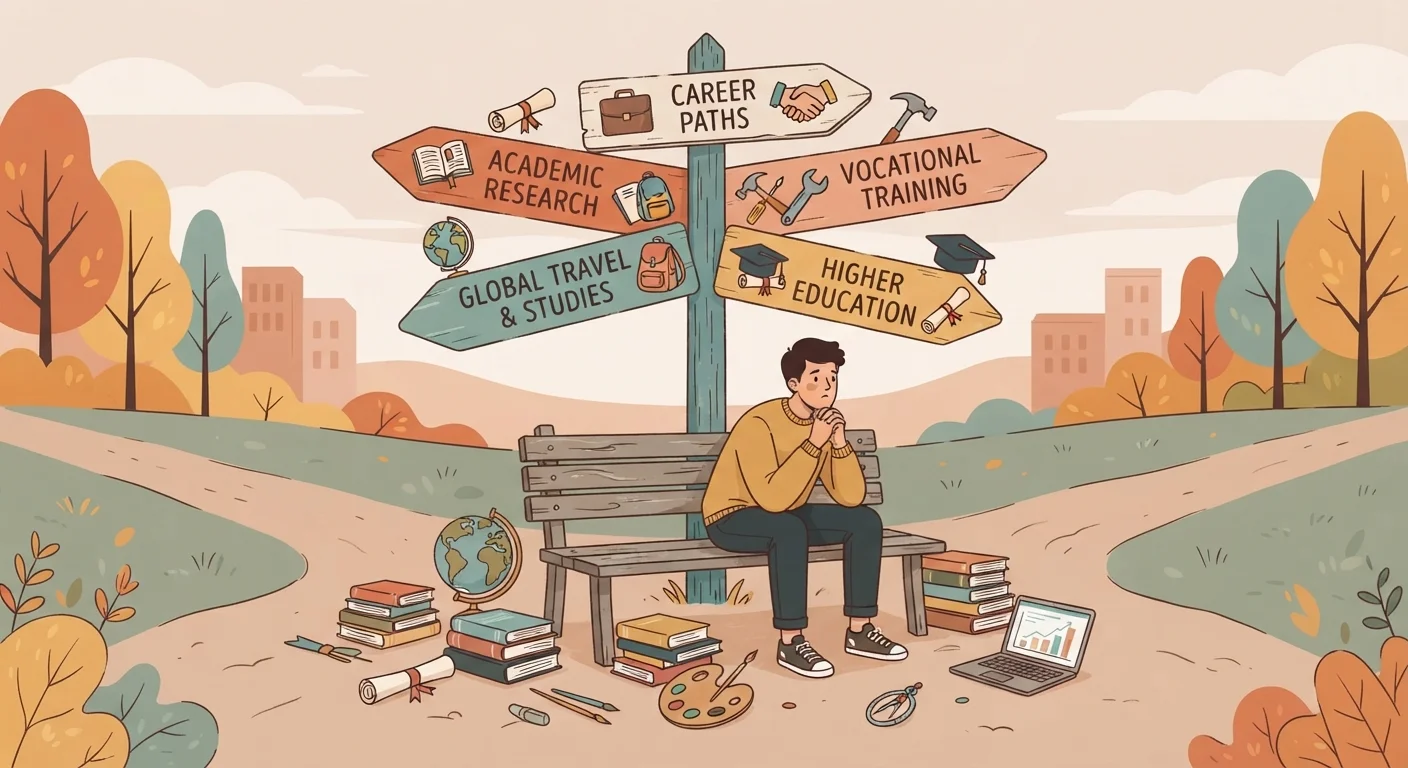
Photo: AnswersSquad.com | Explore Insightful Blogs editorial
Key Takeaways
- Prestige alone is a poor predictor of whether a program fits your actual career goals.
- Choosing a path based on what friends or family are doing often leads to misalignment with your own strengths.
- Debt load relative to expected earnings is one of the most overlooked factors in education decisions.
- Not all credentials are equal - employer expectations vary significantly by industry and role.
- Skipping a structured self-assessment before enrolling is one of the costliest shortcuts young adults take.
Why Faulty Assumptions Are So Dangerous at This Stage
Choosing an education path ranks among the most consequential decisions a young adult can make - and it's often made with incomplete information, social pressure, and a set of unexamined beliefs about what a "good" path looks like. The problem isn't indecision; it's misplaced confidence in assumptions that haven't been tested.
Unlike a bad haircut or a disappointing elective, a misdirected education commitment can mean years of lost time and tens of thousands of dollars in debt. Understanding why these assumptions form - and how to disrupt them before enrolling - is a skill worth developing early. See our complete map of education pathways to understand the full range of options available before narrowing your focus.
Assuming a prestigious school name automatically justifies the cost.
Choosing a path because friends or family are taking the same one.
Assuming a four-year degree is the default requirement for career success.
Ignoring debt-to-income ratios when evaluating a program's value.
Treating an online or alternative credential as automatically inferior.
Skipping self-assessment and jumping straight to program research.
How to Build a More Grounded Decision
Avoiding these mistakes doesn't require certainty about your future - it requires honest inquiry before you commit. Start by separating what you want from what others expect. Then evaluate programs on concrete criteria: completion rates, graduate employment data, total cost of attendance, and how well the credential is recognized in your target field.
40%
Students who change their major at least once
According to the National Center for Education Statistics, roughly 40% of undergraduates change their major at least once, often reflecting mismatched expectations at enrollment.
$37,000+
Average federal student loan debt at graduation
The Education Data Initiative has reported that federal student loan borrowers graduate with an average balance exceeding $37,000, underscoring the importance of cost-conscious enrollment decisions.
If you're genuinely unsure which direction fits you, that's a signal to slow down rather than default to the most familiar-sounding option. Our guide on choosing an education path when you're not sure what you want walks through practical frameworks for exactly this situation. And before signing anything, work through the questions to ask before enrolling in any program - it's a concrete checklist that can surface problems before they cost you.
Debt Is a Long-Term Commitment
The education landscape in the US offers more legitimate routes than ever - from community college and apprenticeships to online certifications and trade programs. The right path is the one that connects your skills, your financial reality, and your career targets. It may not be the most prestigious option in the room, but it's the one most likely to move you forward. For a grounded look at one often-underestimated option, explore what a community college actually offers.
The content provided on our blog site traverses numerous categories, offering readers valuable and practical information. Readers can use the editorial team’s research and data to gain more insights into their topics of interest. However, they are requested not to treat the articles as conclusive. The website team cannot be held responsible for differences in data or inaccuracies found across other platforms. Please also note that the site might also miss out on various schemes and offers available that the readers may find more beneficial than the ones we cover.