
Third-Party Sellers on Major Platforms: What Shoppers Should Understand

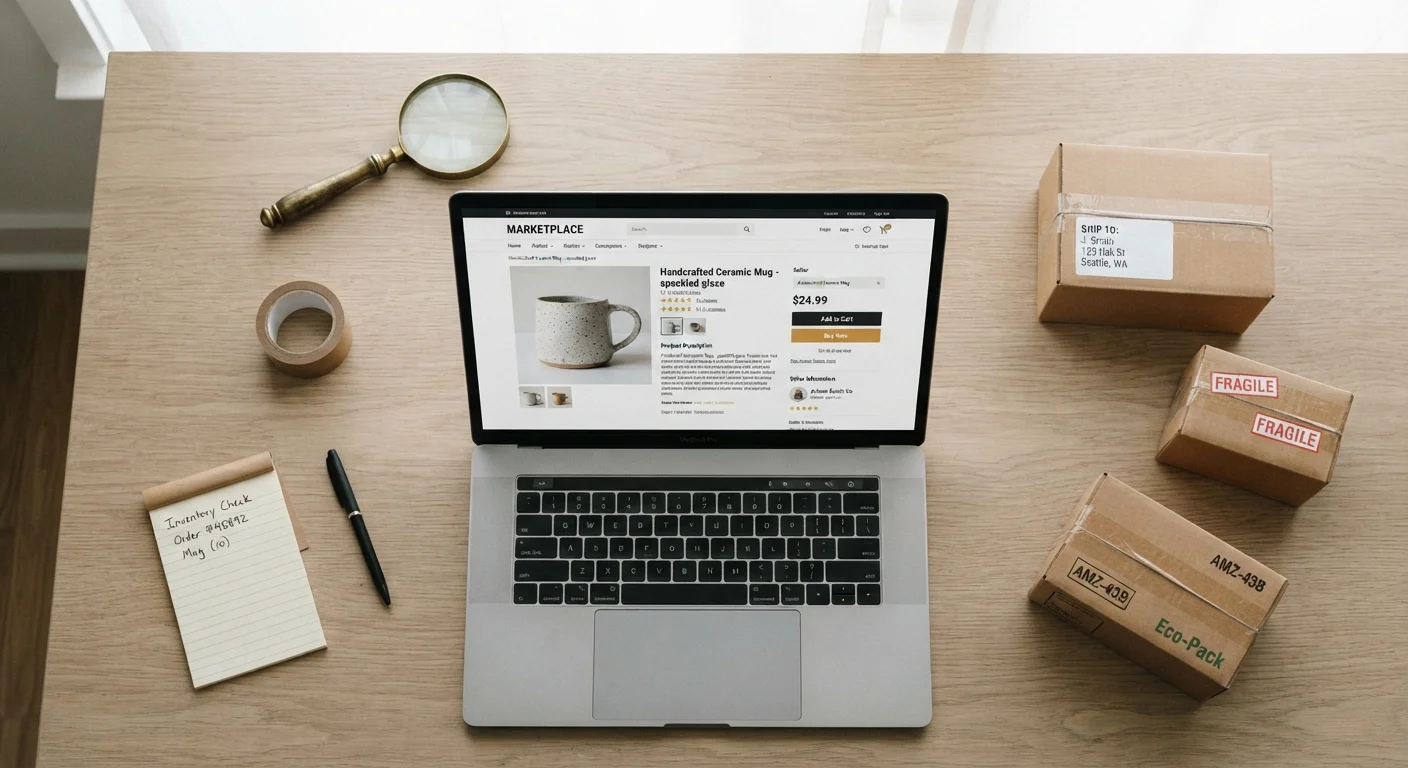
Photo: AnswersSquad.com | Explore Insightful Blogs editorial
Key Takeaways
- The marketplace platform and the third-party seller are legally distinct parties in your transaction.
- Fulfillment by the platform does not automatically mean the platform is responsible for product quality or authenticity.
- Return and refund policies can differ significantly between the platform and individual third-party sellers.
- Seller ratings and review patterns are meaningful signals — but not guarantees — of seller reliability.
- Your payment method may provide an additional layer of consumer protection if a dispute arises.
- Checking who the actual seller of record is before purchasing takes seconds and can save significant hassle.
The Invisible Line Between Platform and Seller
When you shop on a large marketplace and click "Add to Cart," it's easy to assume you're buying from the platform itself. In many cases, you're not. A significant share of listings on major e-commerce sites are fulfilled by independent third-party sellers — businesses or individuals who use the platform as a storefront but operate independently.
This distinction matters because it shapes who bears responsibility when something goes wrong. The platform sets the rules of the marketplace; the seller is the party legally executing your transaction. These are not the same obligations, and understanding the difference is the first step to shopping with confidence.
To dig deeper into what the platform's own policies actually cover — and where they don't — see our breakdown of online marketplace fine print.
~60%
Of major marketplace sales from third-party sellers
According to publicly available data from a leading U.S. e-commerce platform, third-party sellers consistently account for the majority of units sold on the site.
Varies widely
Return windows across third-party sellers
Platform audits and consumer advocacy reports consistently find that individual seller return windows can range from 7 days to 90 days on the same platform, depending on seller-set policies.
How the Liability Chain Actually Works
Think of a major marketplace as a shopping mall. The mall owns the building and enforces conduct rules, but each store inside is its own business. If a product from one store injures you or turns out to be counterfeit, the store — not the mall — is the primary responsible party, though the mall's own policies may create additional obligations.
Online marketplaces operate similarly. Most platforms have buyer-protection programs that provide a backstop — for example, coverage if an item never arrives or is materially different from the listing. But these programs have conditions, time limits, and exclusions. The seller's own return and refund policies layer on top of, and sometimes conflict with, platform-level protections.
Platform-managed fulfillment (where the platform warehouses and ships the item) can add consistency to the shipping experience, but it does not transfer legal ownership of the sale. The invoice you receive will typically name the seller of record — that name matters if you ever need to escalate a dispute.
Red Flags Worth Spotting Before You Buy
Seller feedback scores are useful but require some interpretation. A seller with 98% positive feedback and 12,000 ratings tells a very different story than one with 98% positive feedback and 14 ratings. Volume matters because it reflects a track record, not just a lucky streak.
Look specifically at negative reviews for patterns: repeated complaints about items not matching descriptions, slow shipping, or difficult refunds are more informative than isolated one-star posts. Listings with implausibly low prices relative to comparable items, vague product descriptions, or stock photos instead of actual product images deserve extra scrutiny.
For a more detailed framework on evaluating seller credibility, our guide to reading seller ratings and reviews walks through the signals that actually predict a trustworthy transaction.
Protecting Yourself Before and After the Purchase
Before completing any purchase from a third-party seller, take 60 seconds to do three things: identify the actual seller name on the product page, read their specific return policy (not just the platform default), and confirm the listed item location if delivery time is relevant to you.
Your payment method is also a meaningful protection layer. Credit cards issued by U.S. banks typically include chargeback rights under federal Regulation Z, which can serve as a last-resort dispute mechanism if the seller and platform both fail to resolve an issue. Debit cards and some digital wallets offer narrower protections — a practical reason many experienced online shoppers prefer credit for marketplace purchases.
If a dispute does arise, document everything: screenshots of the original listing, your order confirmation, and all seller communications. Platforms generally require you to attempt resolution with the seller first, so a clear paper trail strengthens your position when escalating. For a complete walkthrough of what to do when returns go sideways, see our guide to navigating online returns.
Check the Seller Name on Every Order
Frequently Asked Questions
The content provided on our blog site traverses numerous categories, offering readers valuable and practical information. Readers can use the editorial team’s research and data to gain more insights into their topics of interest. However, they are requested not to treat the articles as conclusive. The website team cannot be held responsible for differences in data or inaccuracies found across other platforms. Please also note that the site might also miss out on various schemes and offers available that the readers may find more beneficial than the ones we cover.