
The Sunk Cost Trap: Knowing When to Stop Spending on Something That Isn't Working

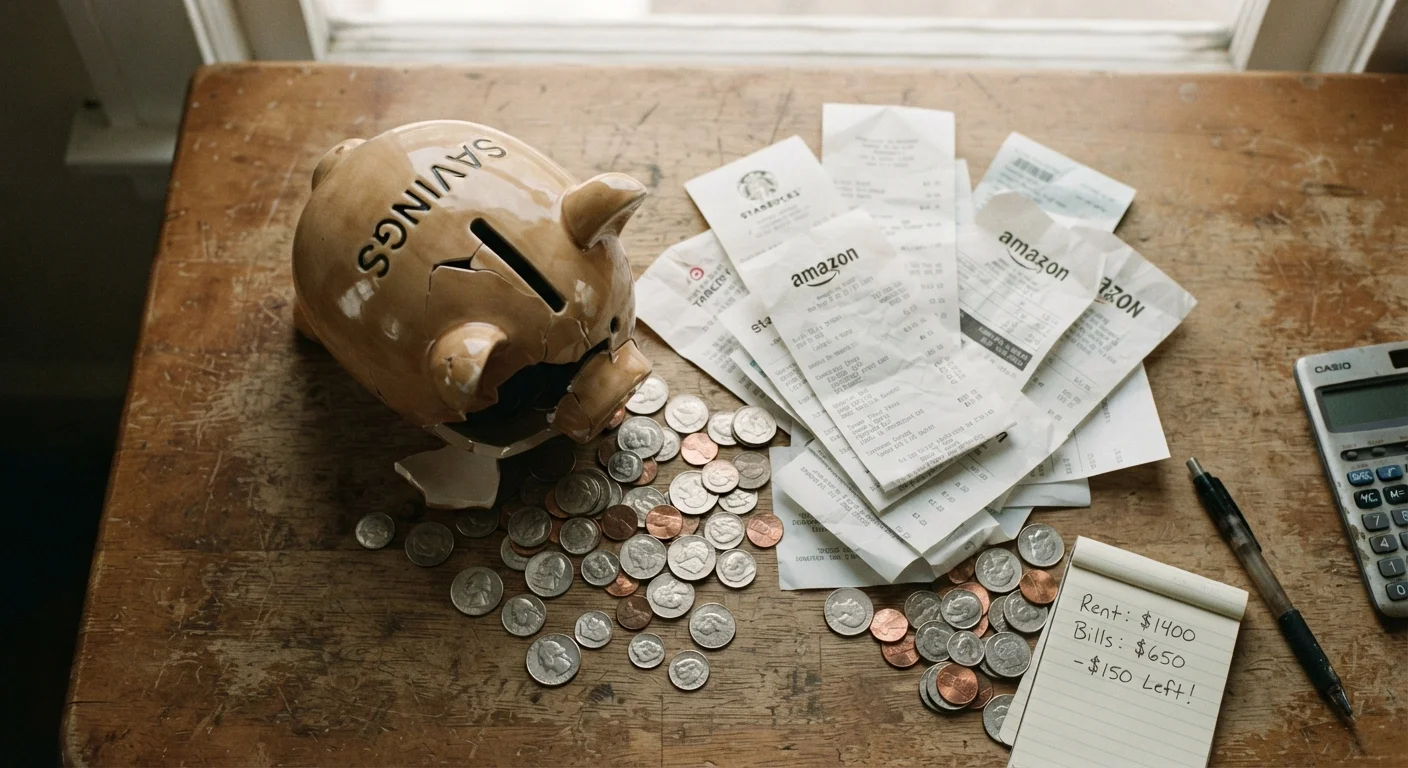
Photo: AnswersSquad.com | Explore Insightful Blogs editorial
Key Takeaways
- Past spending cannot be recovered, so it should not drive future financial decisions.
- The sunk cost fallacy is a documented cognitive bias, not a personal failure.
- Evaluating a purchase based only on future value — not past cost — leads to smarter choices.
- Recognising emotional attachment to spent money is the first step to overcoming the trap.
- Cutting losses early typically results in less total financial damage than continuing a failing path.
Why Your Brain Fights You on This
Cutting your losses feels like admitting defeat. That feeling is real — and it's by design. Decades of research in behavioural economics show that people weight potential losses far more heavily than equivalent gains. When you've paid for something — a course, a car repair, a streaming service — your brain registers any abandonment of that investment as a fresh loss, even though the original money is already gone either way.
This is why people sit through movies they hate, finish meals they don't enjoy, and keep paying for subscriptions they never use. The discomfort of 'waste' overrides the rational question: is this still worth it from here?
Understanding that this is a documented cognitive bias — not a personal failure of willpower — is genuinely useful. It means you can build systems to counteract it, rather than just feeling bad when it happens. For a deeper look at the emotional patterns behind these decisions, see the psychology behind overspending.
Sunk Costs vs. Long-Term Investments
Sunk Costs in Everyday Purchases
The sunk cost trap shows up in predictable places for young adults managing real budgets:
- Subscription services: Keeping a streaming platform, software tool, or meal kit because you paid for an annual plan — even though you stopped using it in month two.
- Vehicles: Continuing to pour money into repair after repair because you've 'already put so much into this car,' when the total repair costs are approaching the vehicle's market value.
- Education and courses: Completing a certification or degree program that no longer aligns with your goals because of tuition already paid.
- Gym memberships and recurring services: A classic case — usage dropped off, but the past payments feel like a reason to keep going rather than cancel.
In each case, the forward-looking question is the only financially rational one: given what I know now, is continuing worth the additional cost? The money already spent does not factor into that answer.
~72%
Adults who act on sunk cost reasoning
Research published in the journal Organizational Behavior and Human Decision Processes has consistently shown that most people will continue a failing course of action when they have already invested resources, even when told to ignore past costs.
$219/yr
Average annual spend on unused subscriptions
A widely cited survey by C+R Research found Americans underestimate their subscription spending significantly, with unused services accounting for a notable share of the total.
A Framework for Making the Call
When you suspect you're in a sunk cost situation, run through these three questions before deciding whether to continue:
- Zero-baseline test: Imagine you have paid nothing so far. Would you choose to start spending on this today, knowing what you know now? If not, sunk cost thinking is likely distorting your judgment.
- Forward cost vs. forward benefit: Write down what continuing will cost — in money, time, and stress — over the next three months. Then write down what you realistically expect to get back. Be honest rather than optimistic.
- Opportunity cost: What else could you do with those resources? Money tied up in a failing commitment can't go toward things that actually move you forward.
This kind of structured thinking protects you from what behavioural economists call 'escalation of commitment' — doubling down precisely because of how much has already been invested. It's also worth examining whether any quietly corrosive money habits are reinforcing the pattern over time.
Use the Zero-Baseline Test Regularly
Cutting Losses Is a Financial Skill
Walking away from a failing purchase is not a defeat — it's an act of financial discipline. The sooner you stop the bleed, the less total damage accumulates. A $200 mistake that you cut off is always better than a $200 mistake that becomes $600 because you felt compelled to see it through.
This also applies to the broader habit of how you allocate money going forward. Proactive planning — setting aside money before problems arise — is the structural opposite of reactive sunk-cost spending. Sinking funds are one tool that reduces the emotional pressure that makes people susceptible to this trap in the first place: when a car repair or device replacement is already funded, there's less psychological urgency to justify past spending on a failing item.
If you find yourself frequently rationalising continued spending on things that aren't delivering, it's also worth examining broader budgeting myths that may be shaping how you think about money. Awareness of the sunk cost fallacy is a genuine financial edge — it's one of the cleaner cases where knowing a behavioural concept translates directly into better decisions.
This article is for general informational and educational purposes only and does not constitute personalised financial advice. For decisions about your specific financial situation, consider speaking with a qualified financial counsellor or adviser.
Frequently Asked Questions
The content provided on our blog site traverses numerous categories, offering readers valuable and practical information. Readers can use the editorial team’s research and data to gain more insights into their topics of interest. However, they are requested not to treat the articles as conclusive. The website team cannot be held responsible for differences in data or inaccuracies found across other platforms. Please also note that the site might also miss out on various schemes and offers available that the readers may find more beneficial than the ones we cover.