
Zero-Based Budgeting: Giving Every Dollar a Job

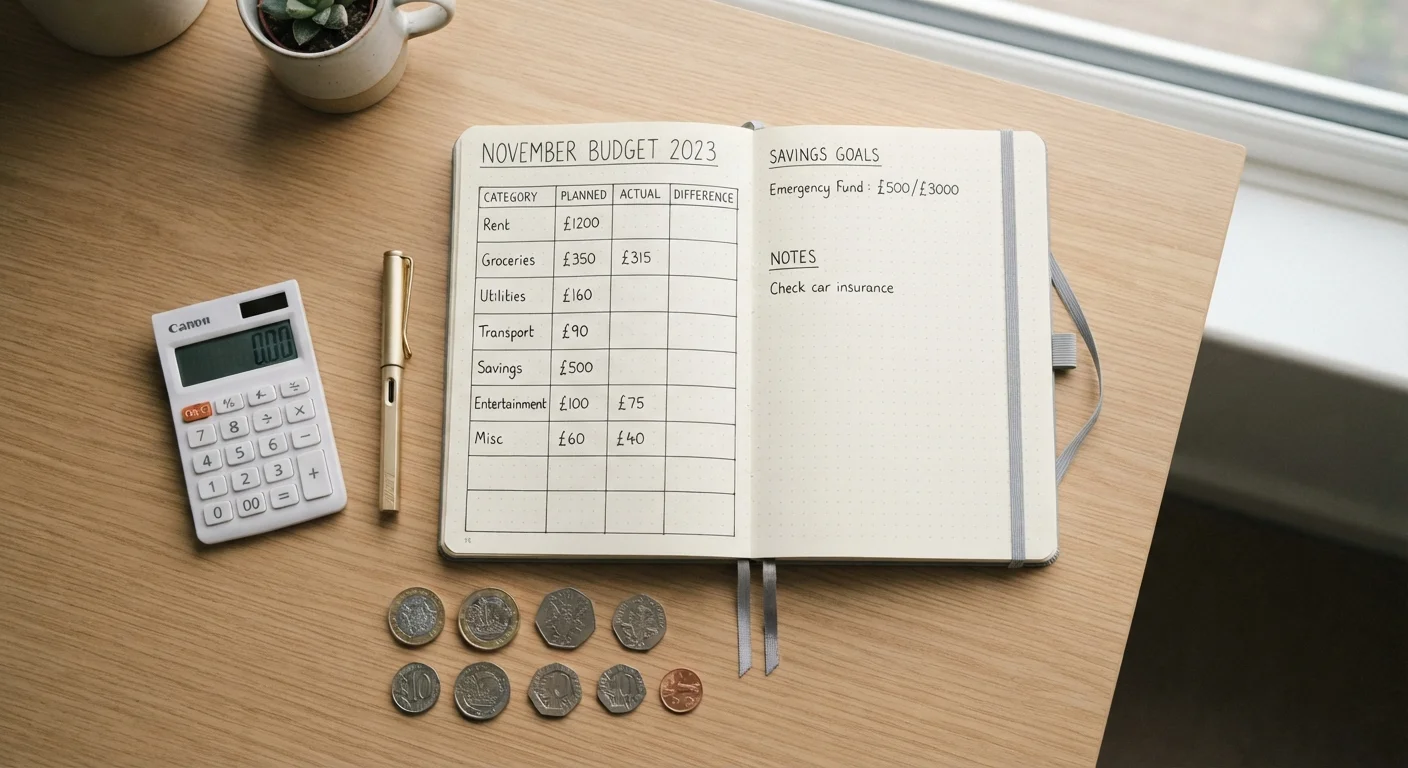
Photo: AnswersSquad.com | Explore Insightful Blogs editorial
Key Takeaways
- Zero-based budgeting assigns every dollar of income to a category so nothing is unaccounted for.
- The budget resets each month, forcing you to actively decide where money goes rather than defaulting to last month's habits.
- ZBB works especially well for people with variable expenses or those trying to break a cycle of unconscious spending.
- It requires more upfront effort than simpler frameworks like 50/30/20, but offers more detailed control.
- Savings and debt payments count as budget categories — not afterthoughts.
- Consult a licensed financial professional for advice tailored to your personal financial situation.
How Zero-Based Budgeting Actually Works
The mechanics are straightforward. At the start of each month, write down your total expected income. Then create categories for every expense you anticipate — rent, groceries, utilities, subscriptions, transportation, dining out, and so on. Add categories for savings goals and any debt payments. Keep allocating until your income minus all category totals equals zero.
That zero isn't a danger sign — it's the point. It means no dollar is sitting in your account without a plan attached to it. If you earn $3,200 this month, you should be able to account for all $3,200 across your categories before you spend a cent.
When unexpected expenses arise mid-month (and they will), you don't panic — you reallocate. Take money from a lower-priority category to cover the new one. The discipline is in making that trade-off consciously rather than letting it happen by default.
If you've never built a budget before, see our beginner's guide to building your first personal budget before diving into ZBB.
Why This Method Exposes Hidden Spending
Most people don't have a math problem — they have a visibility problem. Money quietly disappears into subscriptions, impulse purchases, and underestimated spending categories. Zero-based budgeting forces everything into the open because you can't assign a dollar twice.
33%
Americans with a written monthly budget
According to a Gallup survey, roughly one-third of Americans report keeping a detailed household budget — meaning most people are managing money without a structured plan.
$1,000+
Average monthly unplanned spending per household
Research from the National Endowment for Financial Education suggests that untracked discretionary spending frequently exceeds estimates by hundreds of dollars per month.
2x
More likely to save consistently with a written plan
Personal finance research consistently finds that people who write down financial goals and budgets are significantly more likely to follow through on saving targets.
When you sit down to allocate this month's income, you'll quickly notice if your streaming subscriptions are eating $80 a month you'd rather redirect to your emergency fund. That's the real value of ZBB: it makes trade-offs visible. You don't stop spending on things you value — you stop spending unconsciously on things you don't.
This is why ZBB pairs naturally with the goal of building saving and investing habits early. When savings has its own budget line, it stops being what's left over and starts being a non-negotiable allocation.
Zero-Based vs. Pay-Yourself-First: Picking Your Framework
ZBB isn't the only game in town, and it's not right for everyone. The pay-yourself-first approach takes a simpler path: move a set amount to savings the moment your paycheck lands, then spend the rest however you like. It's lower maintenance but gives you less line-item visibility.
“A budget is telling your money where to go instead of wondering where it went.”
— Dave Ramsey, Personal finance author and radio host
ZBB suits people who want granular control and are willing to invest the time each month. Pay-yourself-first suits people who find detailed tracking unsustainable but can commit to an upfront savings transfer. Neither is objectively superior — it depends on your habits and goals. For a broader comparison, see budgeting frameworks compared.
One thing both methods share: they treat savings as intentional, not accidental. That mindset shift matters more than which specific framework you choose.
Common Pitfalls — and How to Avoid Them
The most common mistake with ZBB is forgetting irregular expenses. Annual subscriptions, car registration, holiday gifts — these don't show up every month, so they're easy to overlook when building categories. The fix: divide annual costs by 12 and set that amount aside each month in a dedicated category (sometimes called a sinking fund).
A second pitfall is making the budget so rigid that one surprise derails the whole system. ZBB works best when you treat it as a flexible plan, not a punishment. Going over on groceries one month doesn't mean the method failed — it means you update next month's allocation and move on.
Finally, new budgeters often undercount how many categories they actually need. Start with a detailed list, then consolidate after a few months once you see which categories you naturally track together. For a reset on common misconceptions that stop people from ever starting, check out budgeting myths worth unlearning.
This article is for general informational and educational purposes only and does not constitute personalized financial advice. Consult a licensed financial professional for guidance specific to your situation.
Frequently Asked Questions
The content provided on our blog site traverses numerous categories, offering readers valuable and practical information. Readers can use the editorial team’s research and data to gain more insights into their topics of interest. However, they are requested not to treat the articles as conclusive. The website team cannot be held responsible for differences in data or inaccuracies found across other platforms. Please also note that the site might also miss out on various schemes and offers available that the readers may find more beneficial than the ones we cover.