
Depreciation: The Hidden Car Cost Nobody Talks About

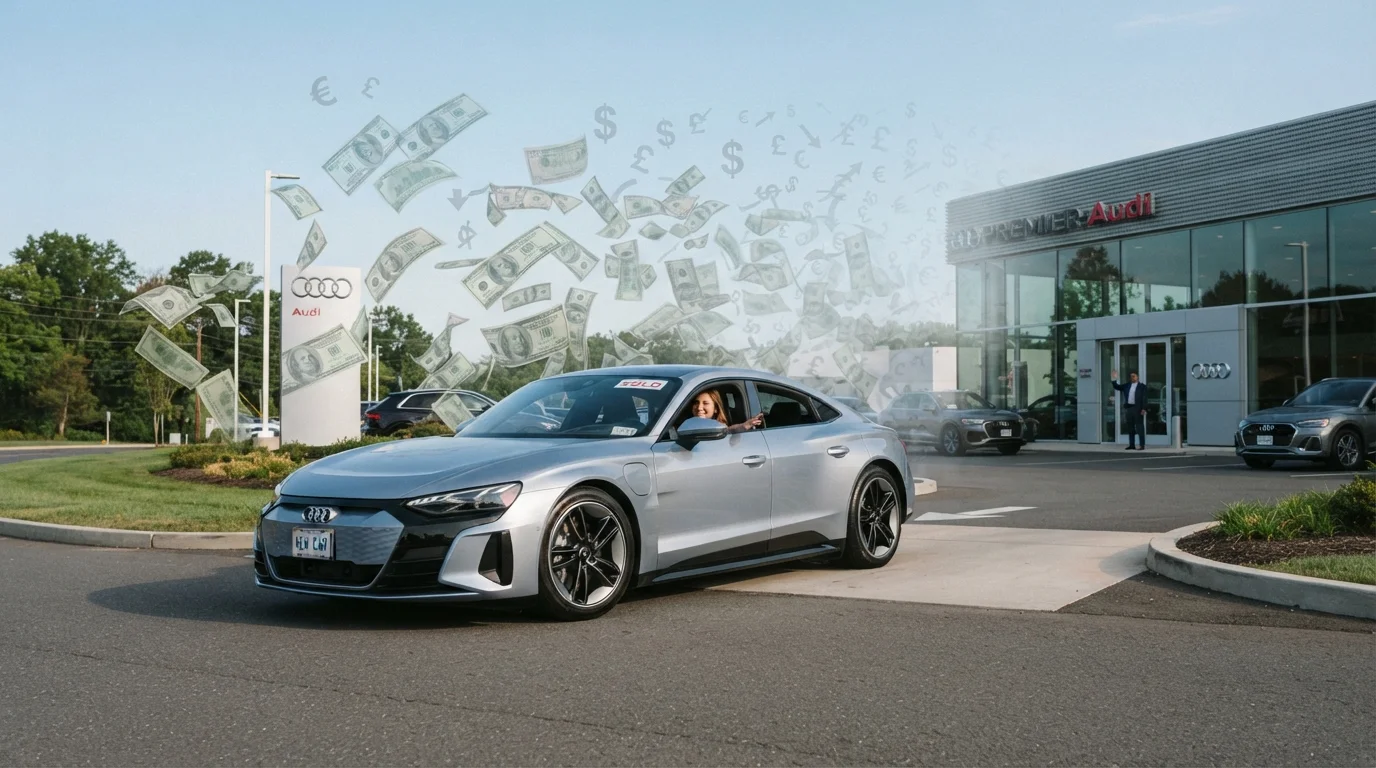
Photo: AnswersSquad.com | Explore Insightful Blogs editorial
Key Takeaways
- A new car can lose a significant portion of its value within the first year of ownership.
- Depreciation is often the single largest cost of owning a vehicle, outpacing fuel or insurance.
- Vehicle type, mileage, condition, and market demand all influence how fast a car depreciates.
- Buying a used car means the steepest depreciation has already been absorbed by the previous owner.
- Understanding depreciation helps you make smarter decisions about when to buy, sell, or trade in.
Why Depreciation Is the Cost You Don't Notice Until It's Too Late
When most people think about the cost of a car, they focus on the monthly payment, insurance, and gas. Depreciation rarely enters the conversation - yet for many owners, it represents the single largest expense of vehicle ownership over time.
Unlike a repair bill or a fuel receipt, depreciation doesn't arrive in your mailbox. It's a silent erosion of value happening in the background every day you own the car. Understanding it early is one of the most powerful things a first-time buyer can do to protect their financial position.
For a fuller picture of every expense tied to owning a vehicle, see The True Cost of Owning a Car Beyond the Sticker Price.
~20%
Typical first-year new car value loss
Industry estimates frequently cite new vehicles losing around 15-20% of their value in the first year, though rates vary by model and market conditions.
~50%
Value remaining after five years (average)
Many financial resources note that the average car retains roughly half its original value after five years, making depreciation the dominant ownership cost over that period.
$3,000+
Estimated annual depreciation cost per vehicle
Transportation cost analyses commonly estimate annual depreciation in the thousands of dollars for average-priced new vehicles, often exceeding fuel and insurance costs combined.
How Depreciation Actually Works
Depreciation works on a curve, not a straight line. The steepest drop typically happens earliest - often in the first year - and the rate of loss gradually slows as the car ages. Think of it like this: a car worth $30,000 today might be worth considerably less a year from now, not because anything broke, but simply because it's no longer new.
Several factors shape exactly how quickly a vehicle loses value:
- Age: Older vehicles have generally absorbed more depreciation already.
- Mileage: Higher mileage signals more wear and reduces resale value.
- Condition: Dents, stains, and mechanical issues all accelerate value loss.
- Market demand: Popular models in high demand hold value better than slow sellers.
- Economic factors: Fuel prices, interest rates, and new model releases can shift used car values quickly.
This is why two seemingly similar vehicles can have very different ownership costs when depreciation is factored in. It's also why the purchase price alone is a misleading measure of what a car will really cost you.
The New vs. Used Equation
One of the most practical implications of depreciation is what it means for the new-versus-used decision. When you buy a brand-new vehicle, you absorb that early, steep depreciation yourself. When you buy a used car that's already two or three years old, that initial drop has largely been paid for by the previous owner.
This doesn't mean used is always the right choice - there are trade-offs around warranty coverage, unknown history, and financing terms. But from a pure depreciation standpoint, a vehicle that's a few years old has already done most of its dropping.
What Depreciation Actually Means for the Car You're About to Buy explores this decision in more detail, including how vehicle type affects the math.
Check Resale Value Trends Before You Buy
Depreciation, Loans, and Negative Equity
Depreciation becomes especially important when you're financing a vehicle. If you take out a loan and your car's value drops faster than your loan balance decreases, you can find yourself in a position where you owe more than the car is worth. This is called negative equity - sometimes referred to as being "underwater" on your loan.
Negative equity creates real problems. If you need to sell or trade in early, you may have to pay the difference out of pocket. It can also complicate your options if the car is totaled in an accident and insurance only covers the car's current market value, not your remaining loan balance.
Keeping an eye on your loan balance versus the car's estimated current value - especially in the first few years - is a smart habit. Understanding this dynamic is part of budgeting basics that many first-time owners overlook.
For more on how hidden costs stack up, including expenses that go well beyond depreciation, visit Car Running Costs That Catch First-Time Owners Off Guard.
Frequently Asked Questions
The content provided on our blog site traverses numerous categories, offering readers valuable and practical information. Readers can use the editorial team’s research and data to gain more insights into their topics of interest. However, they are requested not to treat the articles as conclusive. The website team cannot be held responsible for differences in data or inaccuracies found across other platforms. Please also note that the site might also miss out on various schemes and offers available that the readers may find more beneficial than the ones we cover.