
What 'No-Claim Bonus' Really Means and How It Affects Your Insurance Over Time

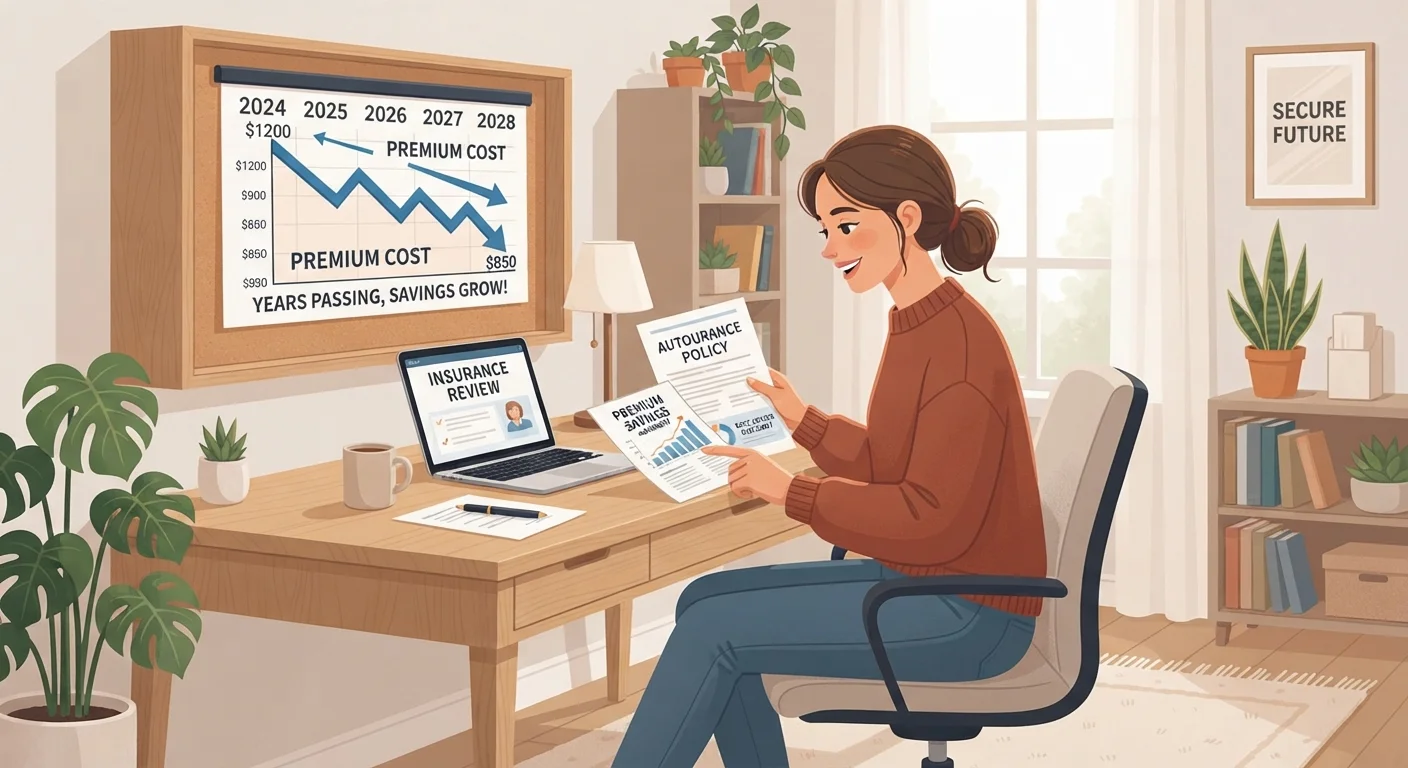
Photo: AnswersSquad.com | Explore Insightful Blogs editorial
Key Takeaways
- A no-claim bonus grows each year you avoid making an insurance claim, reducing your premium over time.
- Making a claim - even a minor one - can reduce or eliminate your accumulated bonus.
- NCB belongs to you as a driver, not to a specific car or insurer, and is usually transferable.
- Some insurers offer 'NCB protection' add-ons that preserve your discount after a certain number of claims.
- Whether to claim or pay out of pocket is a financial decision worth calculating carefully before acting.
- This article is general information only - consult a licensed insurance professional for advice tailored to your situation.
How the No-Claim Bonus Actually Builds
Think of your no-claim bonus as a loyalty discount earned through safe, claim-free driving. Each year you renew your policy without having made a claim, your insurer typically moves you up a step on their NCB scale. Discounts generally start modest - often around 10-15% after the first claim-free year - and grow with each additional year, sometimes reaching 50-65% or more after five or more consecutive claim-free years.
The exact scale varies by insurer, so the figures in your policy documents are what matter most. What's consistent across most providers is the direction: the longer your streak, the more you save. For young drivers who are just starting out, this means that the decisions you make in your first few years of driving have an outsized effect on what you'll pay for coverage well into the future. To understand what other factors shape your premium alongside NCB, see what goes into your car insurance premium.
Up to 65%
Maximum NCB discount offered by some UK insurers
Figures vary by provider and country; in the US, equivalent safe-driver discounts are structured differently but similarly reward claim-free histories.
5 years
Typical time to reach maximum NCB level
Most standard NCB scales top out after five consecutive claim-free years, though the exact structure depends on the individual insurer's policy.
2 years
Common window before NCB expires after a lapse
Many insurers will not honor NCB that is more than two years old, making continuous coverage important for preserving the discount.
What Happens When You Make a Claim
Filing a claim is the primary way your NCB can be reduced or lost. Most insurers operate a step-back system: after a fault claim, your bonus drops by a set number of years rather than returning to zero. But the financial impact is still significant - a driver who had accumulated a 40% discount might find themselves back at 20% after a single at-fault incident, resulting in a noticeably higher premium at renewal.
It's worth knowing that not all claims treat your NCB equally. A claim where another driver is found fully at fault, and their insurer compensates yours, may leave your NCB untouched - but this varies by insurer and depends on how successfully liability is recovered. Minor windshield repairs under a separate glass add-on also often don't affect NCB. Always confirm with your insurer before assuming a claim won't impact your bonus.
This is why many drivers face the classic dilemma: pay for minor damage out of pocket, or file a claim and risk losing a discount worth more than the repair itself. See also how your excess fits into this calculation, since your deductible amount directly affects whether claiming makes financial sense.
NCB Protection and When It Makes Sense
Many insurers offer an optional add-on called NCB protection (sometimes called no-claims discount protection). For an extra cost on your premium, this allows you to make one or sometimes two claims within a set period without your bonus being reduced. Your NCB percentage stays intact at renewal, even though a claim was made.
It's important to understand what NCB protection does not do: it protects your discount, but it doesn't protect your premium from rising. Insurers recalculate base rates at every renewal, and your overall risk profile - including your claims history - can still push your base premium up even if your NCB percentage is preserved. Protection is most valuable when you have a high accumulated discount that would be expensive to rebuild. For drivers just starting out with one or two claim-free years, the math often doesn't favor paying for it yet.
For more on why premiums for newer drivers are structured the way they are, understanding why young drivers pay more provides useful context on the risk factors insurers weigh.
Transferring Your NCB and Keeping It Alive
Your no-claim bonus follows you, not your car. If you switch insurers at renewal, you can request proof of your NCB - typically a letter from your outgoing insurer confirming your claim-free years - and present it to your new provider. This is one reason why shopping around at renewal is genuinely worthwhile: you don't lose what you've built just because you change companies.
However, keeping your NCB alive does require maintaining active insurance coverage. Most insurers will only honor NCB that was earned within the past two years, though some allow a longer window. If you plan to stop driving temporarily - returning a leased vehicle, studying abroad - it's worth asking your insurer how a lapse would affect your bonus before letting coverage expire.
Finally, remember that NCB is just one piece of your overall insurance cost. Coverage type, your vehicle, and your location all play a role too. For a full picture of what each coverage type actually protects, liability, comprehensive, and collision coverage explained is a useful companion read.
This article is for general informational purposes only and does not constitute insurance or financial advice. Coverage terms, NCB rules, and discount structures vary significantly by insurer and by state. Always read your policy documents carefully and consult a licensed insurance professional for guidance specific to your situation.
Frequently Asked Questions
The content provided on our blog site traverses numerous categories, offering readers valuable and practical information. Readers can use the editorial team’s research and data to gain more insights into their topics of interest. However, they are requested not to treat the articles as conclusive. The website team cannot be held responsible for differences in data or inaccuracies found across other platforms. Please also note that the site might also miss out on various schemes and offers available that the readers may find more beneficial than the ones we cover.