
Car Ownership Costs Beyond the Sticker Price: The Full Maintenance Picture

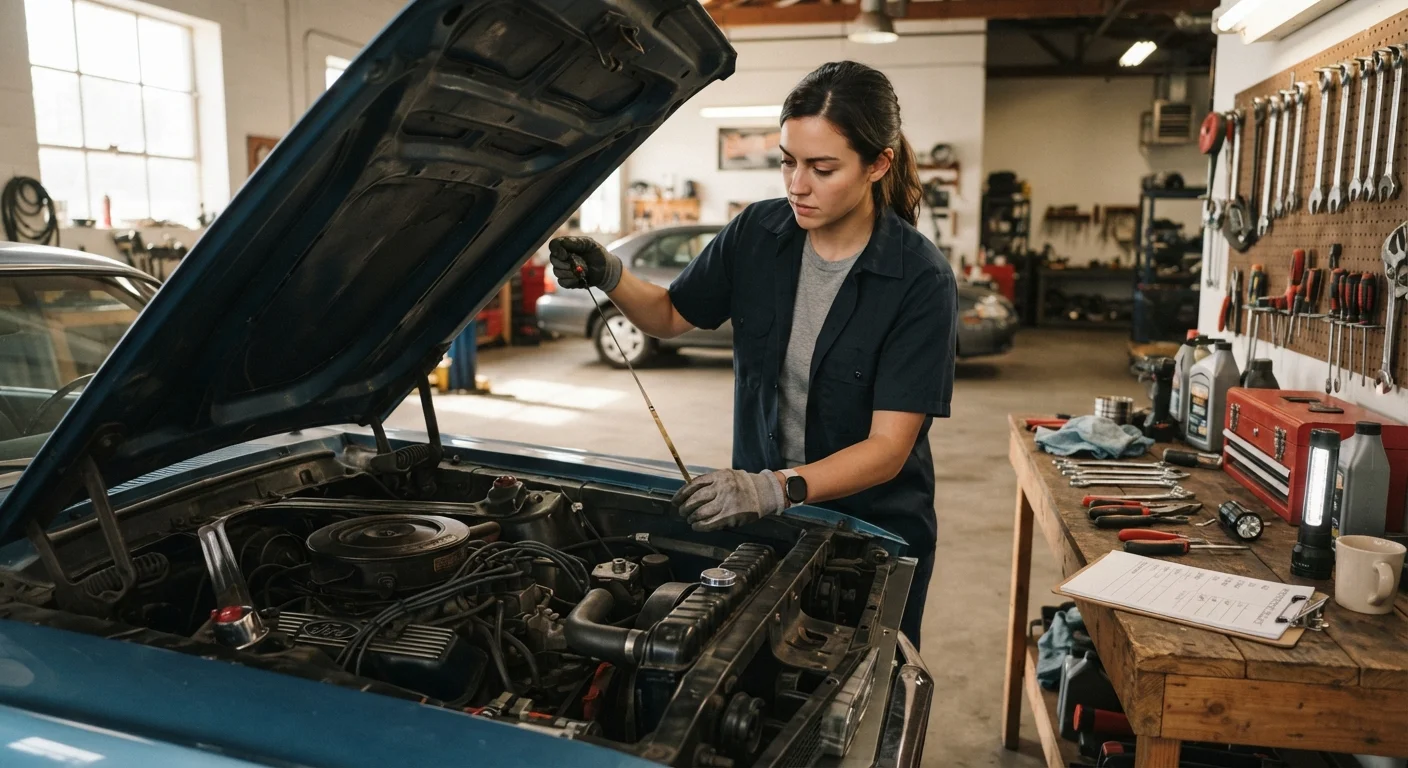
Photo: AnswersSquad.com | Explore Insightful Blogs editorial
Key Takeaways
- Routine maintenance typically costs several hundred to over a thousand dollars annually beyond your car payment.
- Oil changes, tire rotations, and fluid checks are the cheapest repairs you can make - skip them and face much larger bills.
- Setting aside a dedicated monthly car repair fund helps absorb unexpected costs without derailing your budget.
- Keeping a maintenance log protects resale value and keeps your service schedule on track.
- Most catastrophic engine failures begin as small, ignored warning signs - catching them early is the key.
Why the Sticker Price Is Only the Beginning
When most first-time buyers shop for a car, attention locks onto one number: the purchase price. It feels like the main event. But for car ownership veterans, that figure is simply the entry fee. The real ongoing tab - maintenance, repairs, fuel, insurance, and registration - often rivals or exceeds what you paid for the vehicle over a few years of ownership.
The full financial picture of car ownership includes a predictable layer of scheduled upkeep and a less predictable layer of wear-and-repair costs. Understanding both before you drive away is what separates owners who stay in control of their finances from those who get blindsided. This guide focuses specifically on maintenance - the recurring costs you can actually plan for - and the simple habits that keep those costs from spiraling.
Routine Maintenance: Your First Line of Defense
Scheduled maintenance is the foundation of cost-effective car ownership. Your vehicle's owner's manual (usually in the glove compartment) contains a service schedule - a list of tasks and the mileage or time intervals at which they should be performed. Following this schedule is not optional if you want to avoid premature component failure.
Key routine items include:
- Oil and filter changes: Most modern vehicles call for an oil change every 5,000-7,500 miles, though some extend to 10,000 miles with full synthetic oil. Skipping oil changes allows engine sludge to build up, which can cause severe and expensive engine damage over time.
- Air filter replacement: A clogged air filter reduces fuel efficiency and engine performance. Replacement is typically needed every 15,000-30,000 miles.
- Spark plugs: These ignite the fuel in your engine. Worn spark plugs cause misfires, poor fuel economy, and hard starts. Depending on the type, they're replaced every 30,000-100,000 miles.
- Cabin air filter: This keeps the air inside your car clean. It's inexpensive and usually replaceable every 15,000-25,000 miles.
Always buy your own oil and filter at an auto parts store and bring them to an independent shop - you'll often pay only for labor and save $20-$40 per change while controlling the quality of materials used.
Set a phone calendar reminder for every 5,000 miles and sync it to your odometer reading - this single habit prevents more skipped services than any other organizational tool.
Staying consistent with these items is far cheaper than treating the failures they prevent. A single oil change runs roughly $50-$100; neglecting it can lead to engine repairs costing thousands.
Tires, Brakes, and Fluids: The Big Three
Beyond routine scheduled services, three categories of maintenance demand special attention because they directly affect safety and generate the largest predictable costs outside of major repairs.
Tires
Tires wear down with use and must be replaced periodically - typically every 25,000-50,000 miles, depending on tire quality and driving habits. Additionally, tires should be rotated every 5,000-7,500 miles to ensure even wear, and checked monthly for proper inflation. Underinflated tires reduce fuel efficiency and wear out faster. A set of four replacement tires can cost anywhere from $400 to over $1,000 installed, making proactive care a clear financial priority.
Brakes
Brake pads typically last 25,000-65,000 miles depending on driving style and conditions. If you hear squealing or grinding when stopping, that's a warning sign - have brakes inspected promptly. Ignoring worn pads damages the rotors, turning a $150-$300 pad replacement into a $400-$600+ rotor-and-pad job.
Fluids
Your car depends on multiple fluids beyond engine oil: coolant (antifreeze), transmission fluid, brake fluid, and power steering fluid. Each has a service interval. Low or degraded fluid can cause component failure that costs far more than a simple fluid top-off or flush.
Never Ignore Brake Warning Signs
Unexpected Repairs and How to Budget for Them
Even with perfect maintenance habits, cars occasionally need unscheduled repairs. A sensor fails, a belt snaps, or an alternator gives out. These events are unpredictable in timing but entirely predictable in the sense that they will happen over the life of a vehicle.
A practical approach is to treat car repairs like an emergency fund: set aside a fixed amount each month into a dedicated savings account. Many financial planners suggest budgeting 1-2% of your car's current value per year for maintenance and repairs as a rough starting point - though actual costs vary widely based on vehicle age, mileage, and make. The older and higher-mileage your car, the more you should set aside.
$9,282
Average annual cost of vehicle ownership
According to AAA's annual 'Your Driving Costs' study, total annual ownership costs including maintenance, fuel, and depreciation average over $9,000 for a typical sedan.
35%
Of car breakdowns are maintenance-preventable
Industry estimates suggest a significant share of roadside breakdowns result from skipped or delayed routine maintenance such as oil changes and fluid checks.
Having this buffer means an unexpected $800 repair is an inconvenience rather than a financial crisis. For more on preparing financially before you even take ownership, see the financial checklist for new car owners.
Simple Habits That Prevent Expensive Problems
The most powerful cost-control tool a new car owner has is consistent attention. Most major mechanical failures don't happen without warning - they develop gradually from small, neglected issues. Cultivating a few simple habits dramatically reduces the chance of costly surprises.
- Check your dashboard warning lights immediately. Never ignore a check-engine or oil-pressure light. These lights are early warnings, not suggestions. A $100 diagnostic scan can prevent a $3,000 repair.
- Listen to your car. New sounds - squealing, knocking, grinding, or rattling - are usually the first sign something needs attention. Address them early.
- Do a monthly walk-around. Spend two minutes checking tire pressure, looking for fluid leaks under the car, and inspecting lights. This costs nothing and catches problems early.
- Keep a maintenance log. Recording every service - with the date, mileage, and work performed - helps you stay on schedule and proves the car was well maintained if you sell it. The benefits of a maintenance log go beyond just organization; they protect your vehicle's resale value too.
Building Your Full-Cost Budget
Once you understand the categories of maintenance cost, you can build a realistic annual budget. Consider these typical annual cost ranges for a mid-priced, mid-mileage vehicle (actual figures vary by vehicle, location, and provider):
| Maintenance Item | Typical Annual Cost Range |
|---|---|
| Oil changes (2-3 per year) | $100-$300 |
| Tire rotation and inspection | $50-$120 |
| Brake service (amortized) | $100-$200 |
| Filters, fluids, spark plugs (amortized) | $100-$300 |
| Unexpected repairs (savings buffer) | $300-$600 |
Totaling these gives a rough annual maintenance budget of $650-$1,500 or more, separate from fuel, insurance, and registration. For a broader look at those additional recurring expenses, explore the running costs that catch first-time owners off guard. And if you're still in the process of choosing a vehicle, the Buying Your First Car hub can help you factor total cost of ownership into your decision from the start.
This article is for general informational and educational purposes only. Actual maintenance costs vary by vehicle make, model, age, mileage, and geographic location. Consult a qualified, licensed mechanic for advice specific to your vehicle.
The content provided on our blog site traverses numerous categories, offering readers valuable and practical information. Readers can use the editorial team’s research and data to gain more insights into their topics of interest. However, they are requested not to treat the articles as conclusive. The website team cannot be held responsible for differences in data or inaccuracies found across other platforms. Please also note that the site might also miss out on various schemes and offers available that the readers may find more beneficial than the ones we cover.