
Why Ignoring Small Leaks Under Your Car Is a Costly Habit

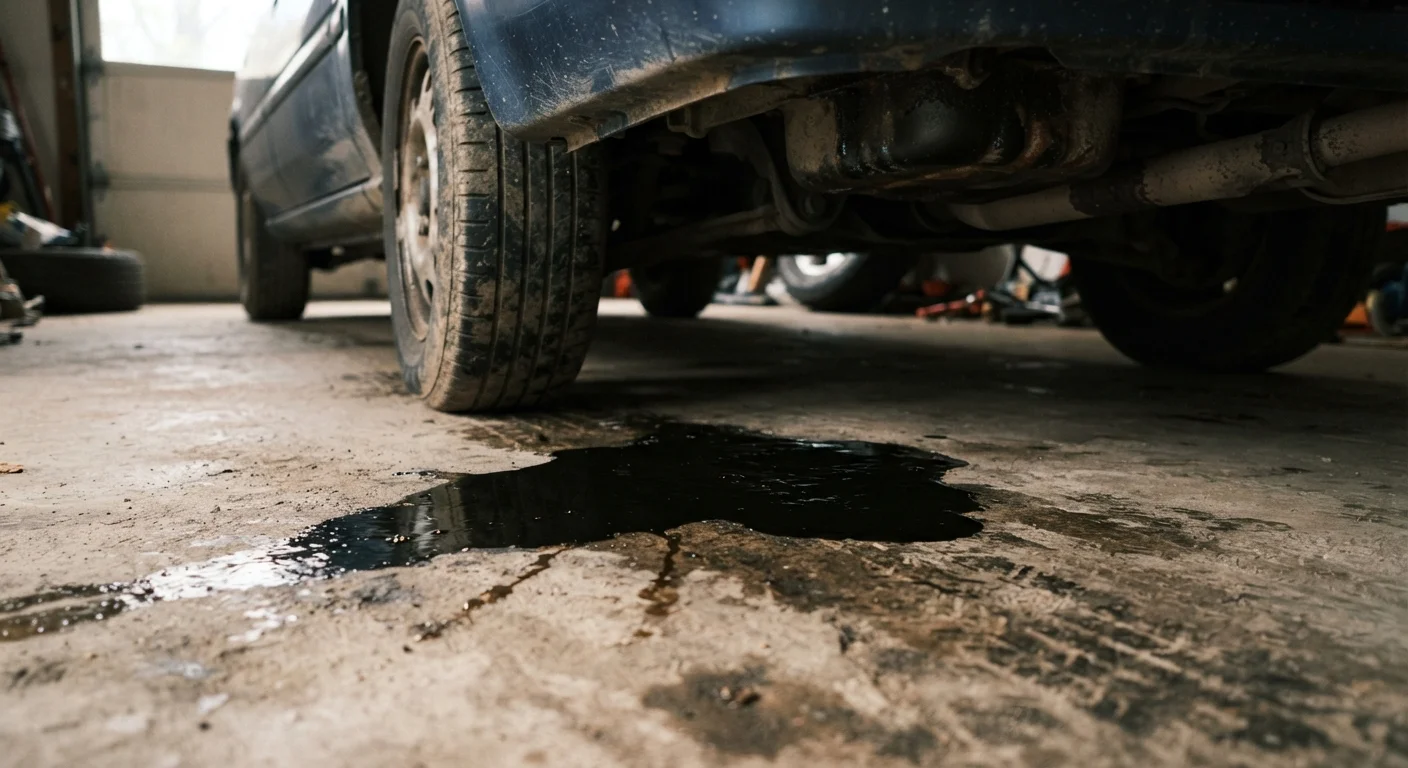
Photo: AnswersSquad.com | Explore Insightful Blogs editorial
Key Takeaways
- Different fluids leak from different locations; color and position help you identify the source.
- Small leaks rarely stay small - ignoring them can lead to engine failure or brake loss.
- Checking beneath your car after parking takes seconds and can prevent hundreds in repair costs.
- Not every leak is an emergency, but every leak deserves identification within 24 hours.
- A qualified mechanic should assess any leak you cannot confidently identify yourself.
Why New Owners Dismiss Fluid Leaks
A small spot on the driveway rarely feels urgent, especially when the car seems to be running fine. New owners often assume that if the vehicle starts and drives normally, any fluid on the ground must be minor - a loose cap, condensation, or just how older cars behave. This assumption is one of the more expensive habits in car ownership.
Fluid leaks are your car communicating a problem. Ignoring that communication doesn't make the problem smaller; it usually makes it worse. If you're already trying to manage expenses as a new driver, the true cost of deferred maintenance is worth understanding before a minor drip becomes a major repair bill.
Brake Fluid Leaks Are Never Minor
Common Mistakes That Turn Drips Into Disasters
Below are the most frequent errors new owners make when they notice fluid under their car - along with why each one happens and what to do instead.
Assuming the car is fine because it still drives normally.
Topping off the fluid repeatedly without finding the source.
Misidentifying the fluid type and underestimating the urgency.
Waiting until the next scheduled service appointment to mention a leak.
Ignoring leaks because the car is old and "always leaks a little."
For a broader look at how skipping small checks compounds into larger financial problems, see our article on running cost assumptions that catch young drivers off guard.
How to Read a Leak: Color, Location, and Smell
Before you can act on a leak, you need to identify it. The fluid's color and where it pools beneath the car are your two most useful clues.
~60%
Of engine failures linked to low fluid levels
Industry repair data consistently shows that a significant share of major engine damage is attributable to neglected fluid levels, including undetected slow leaks.
$100-$300
Typical cost to fix a minor gasket or seal
Addressing a small leak early - such as a valve cover gasket - generally costs a fraction of the engine or transmission repairs that result from prolonged neglect.
- Clear water near the front passenger area is almost always condensation from the air conditioning system - harmless.
- Light brown to black oily fluid beneath the engine suggests engine oil; older oil darkens significantly.
- Bright red or pink fluid near the front or center of the car often points to power steering fluid or transmission fluid.
- Green, orange, or yellow fluid with a faintly sweet smell near the radiator or front bumper is typically coolant (antifreeze) - dangerous to leave unaddressed.
- Clear to light yellow fluid near any wheel is a serious red flag for brake fluid, and the car should not be driven until inspected by a qualified mechanic.
Once you've noted the color and position, photograph it with your phone. That image helps a mechanic diagnose faster and gives you a reference point if the leak changes. This kind of simple habit is exactly what building a sustainable car maintenance routine looks like in practice.
Sweet-Smelling Fluid Means Check Coolant Now
The content provided on our blog site traverses numerous categories, offering readers valuable and practical information. Readers can use the editorial team’s research and data to gain more insights into their topics of interest. However, they are requested not to treat the articles as conclusive. The website team cannot be held responsible for differences in data or inaccuracies found across other platforms. Please also note that the site might also miss out on various schemes and offers available that the readers may find more beneficial than the ones we cover.