
Building a Simple Car Maintenance Habit That Actually Sticks

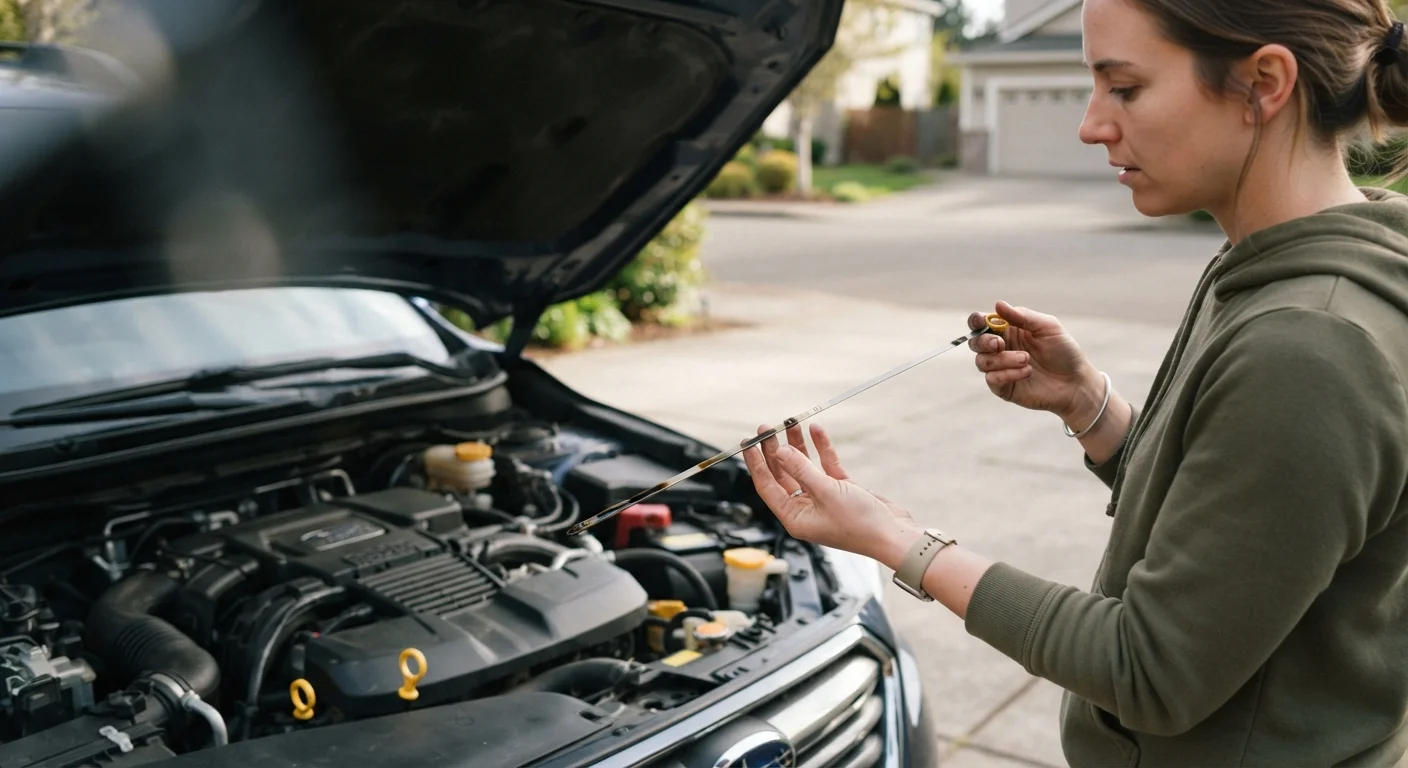
Photo: AnswersSquad.com | Explore Insightful Blogs editorial
Key Takeaways
- Consistent small habits prevent the majority of costly, unexpected car repairs.
- Your owner's manual is the most reliable guide for your specific vehicle's service schedule.
- Linking maintenance checks to existing routines - like monthly bills - dramatically improves follow-through.
- Keeping a simple maintenance log helps you track what's been done and spot patterns early.
- You don't need mechanical expertise to stay on top of basic car care.
Why Habits Beat Good Intentions
Most new car owners intend to stay on top of maintenance. The problem isn't motivation - it's that without a system, checks get skipped, and small issues silently grow into expensive ones. A flat-tire situation that could have been avoided with a monthly tire pressure check, or an engine problem traced back to oil that was never changed on time, are both painfully common.
The good news: car maintenance doesn't require mechanical knowledge or hours of weekend time. What it requires is a repeatable routine - a handful of lightweight habits attached to things you already do. Think of it the same way you'd approach any other recurring responsibility, like paying bills or reviewing your budget. If you've ever wondered how consistent behaviors compound over time, the same logic explored in budgeting basics applies here - small, regular actions deliver outsized results.
The Core Practices That Make It Work
Below are the foundational habits that experienced owners rely on. None require tools beyond what's already in your car, and none take more than a few minutes.
Check your five key fluids every month
Inspect tire pressure and tread depth monthly
Follow your owner's manual for service intervals - not online guesses
Test your lights and wipers every season
Never ignore a warning light beyond 48 hours
For a deeper look at which of these tasks are safe to handle yourself versus when to call a professional, see our guide on DIY car maintenance vs. taking it to a mechanic.
Building the Routine Around Your Life
The most effective maintenance habits are ones anchored to events you already track. Trying to remember a random date rarely works long-term; tying a check to something predictable - the first of each month, a seasonal change, or a regular errand - does.
Seasons bring specific demands your car wasn't designed to handle silently. Cold winters stress your battery and tire pressure; summer heat accelerates fluid degradation. Our overview of seasonal car maintenance tasks walks through exactly what to look for as conditions change.
One habit that supercharges everything else: write it down. A simple log of what was checked, what was found, and what was done gives you a record that protects resale value and helps a mechanic diagnose problems faster. Learn how to set one up in Keeping a Car Maintenance Log: Why It Pays Off Over Time.
Common Pitfalls - and How to Sidestep Them
Even well-intentioned owners run into the same traps. One of the most persistent is following outdated rules of thumb - like the old "change your oil every 3,000 miles" advice - that no longer apply to most modern vehicles. Your owner's manual supersedes all of them. For a full rundown of what's fact and what's folklore, see Car Maintenance Myths That New Owners Keep Believing.
Another common pitfall: ignoring small warning signs because they don't seem urgent. A minor fluid spot under your car, for instance, can indicate anything from a loose cap to a failing seal - and waiting usually makes the fix costlier. Our article on why ignoring small leaks under your car is a costly habit explains how to read those early signals before they escalate.
Finally, maintenance costs real money - but so does neglect. If budget pressure is a concern, there are smart ways to prioritize without cutting corners on safety. See Keeping Car Costs Under Control on a Tight Budget for practical strategies.
This article provides general educational information about car maintenance habits. For vehicle-specific guidance, always consult your owner's manual or a qualified mechanic.
The content provided on our blog site traverses numerous categories, offering readers valuable and practical information. Readers can use the editorial team’s research and data to gain more insights into their topics of interest. However, they are requested not to treat the articles as conclusive. The website team cannot be held responsible for differences in data or inaccuracies found across other platforms. Please also note that the site might also miss out on various schemes and offers available that the readers may find more beneficial than the ones we cover.