
DIY Car Maintenance vs. Taking It to a Mechanic

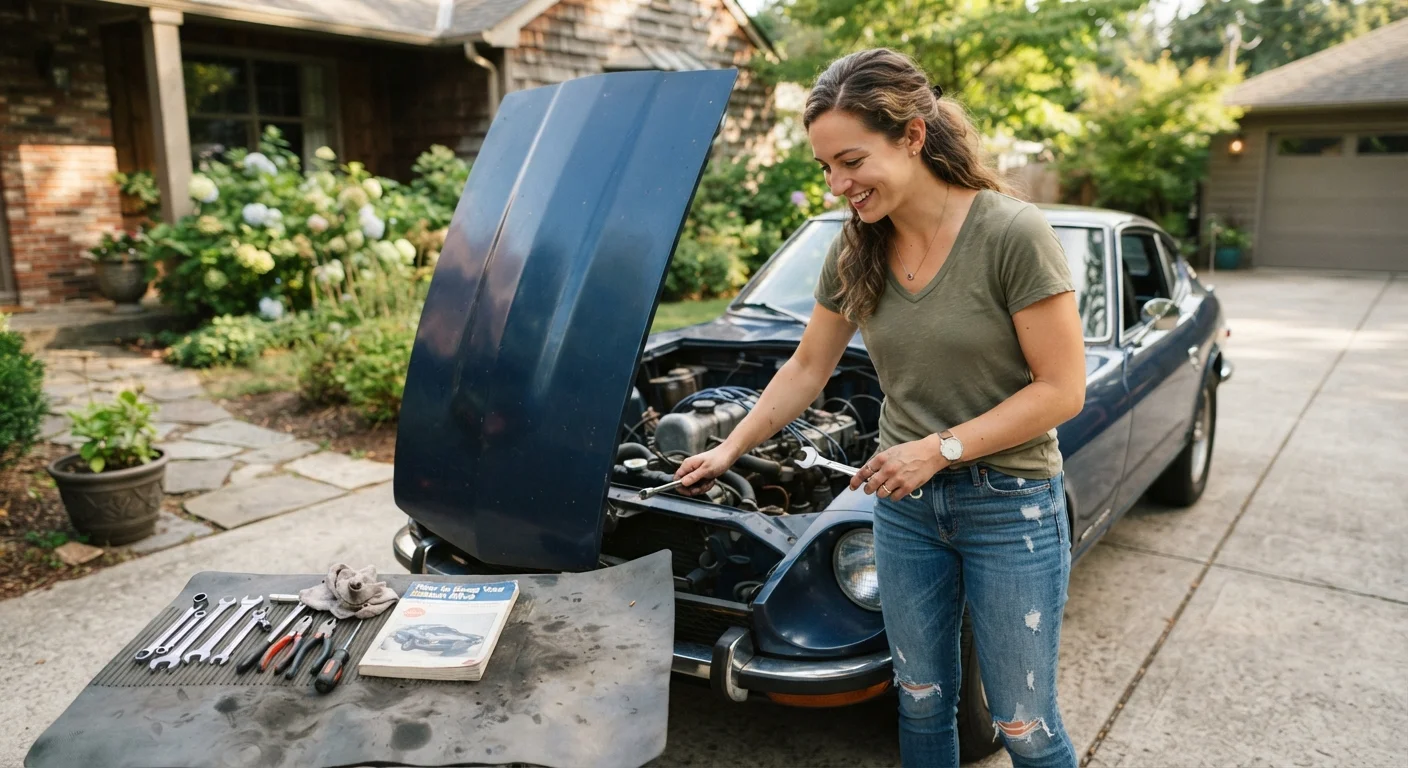
Photo: AnswersSquad.com | Explore Insightful Blogs editorial
Key Takeaways
- Simple tasks like checking fluids and replacing air filters are safe and cost-effective to do yourself.
- Brake systems, suspension work, and anything involving the fuel system should go to a qualified mechanic.
- Skipping professional service to save money can lead to larger, more expensive failures down the road.
- Your owner's manual is the single most reliable source for your car's specific maintenance schedule.
- Building a consistent maintenance habit matters more than having advanced mechanical knowledge.
Why the DIY vs. Professional Question Matters
For many first-time car owners, the instinct is to hand everything to a mechanic. That's understandable - cars feel complicated, and the stakes feel high. But some routine tasks are genuinely straightforward, and learning to handle them yourself can save real money over time while helping you understand your vehicle better.
The flip side is also true: attempting the wrong repair without the right tools or knowledge can compromise your safety or create a bigger problem than you started with. The goal isn't to become a mechanic - it's to know where the line is. See our guide on how maintenance costs differ to understand the financial stakes of staying on top of routine care.
| DIY Maintenance | Professional Mechanic | |
|---|---|---|
| Typical cost | Parts cost only | Parts plus labor |
| Tools required | Basic hand tools | Specialized diagnostic equipment |
| Safety risk if done incorrectly | Low (for appropriate tasks) | Mitigated by expertise |
| Best for | Fluid checks, filters, wipers, battery | Brakes, suspension, fuel, timing systems |
| Learning curve | Gradual, beginner-friendly | No learning needed from owner |
| Accountability | You are responsible | Shop warranty on labor |
Tasks That Are Safe to DIY
These jobs share three things in common: they don't involve safety-critical systems, they require only basic tools, and step-by-step instructions are readily available in your owner's manual or through reputable sources.
- Checking and topping off fluids - Engine oil, coolant, brake fluid, and windshield washer fluid all have clearly marked reservoirs with min/max indicators. Checking them takes minutes and costs nothing.
- Replacing windshield wiper blades - Wiper blades typically clip on and off without tools. Most auto parts stores will even help you find the right fit if you bring in your car's year, make, and model.
- Swapping cabin and engine air filters - Both are accessible and usually secured by clips or simple screws. A clogged cabin filter affects air quality inside the car; a dirty engine air filter can reduce fuel efficiency.
- Replacing a dead battery - As long as you disconnect the negative terminal first and reconnect it last, battery swaps are manageable for most people. Note that some vehicles may need a reset afterward for certain electronics.
- Changing a flat tire - Knowing how to use your car's jack and spare tire is a foundational skill every driver should practice before they need it on the side of a road.
Building consistency around these basics is covered in depth in our guide to forming a lasting car maintenance habit.
Start With Your Owner's Manual
When to Hand It to a Professional
Some repairs involve systems where an error doesn't just damage the car - it can put you or others at risk. These should go to a qualified mechanic, even if video tutorials make them look manageable.
- Brake repairs - Pads, rotors, calipers, and brake lines are part of your car's most critical safety system. Incorrect installation can cause brake failure. Learn the warning signs in our brake maintenance basics guide, and let a professional do the actual repair work.
- Suspension and steering components - These affect how your car handles and how evenly your tires wear. Misaligned or improperly installed parts create unpredictable handling at speed.
- Timing belt or timing chain service - Getting this wrong can cause catastrophic engine damage. It also requires specific torque specifications and, often, specialized tools.
- Fuel system repairs - Working near fuel lines and injectors involves fire risk. This is firmly in professional territory.
- Transmission service beyond fluid changes - Internal transmission work requires diagnostic equipment and expertise that goes well beyond the average DIYer's toolkit.
Don't Let 'Looks Simple' Fool You
Also consider seasonal factors: seasonal maintenance tasks like coolant system checks and battery load tests before winter are worth scheduling with a mechanic if you're unsure.
Making the Decision: A Simple Framework
When you're unsure whether a job is DIY-appropriate, ask yourself three questions:
- Does it affect a safety system? - Brakes, steering, tires, and lights all fall here. When in doubt, defer to a professional.
- Do I have the tools and a reliable source of instructions? - Your owner's manual is your first stop. Manufacturer-specific forums and reputable automotive education resources can supplement it.
- What's the cost of getting it wrong? - If a mistake means a $15 air filter wasted, that's recoverable. If it means a seized engine or a brake failure, the calculus is completely different.
This same kind of reasoning applies beyond cars. If you've ever thought through when to DIY home repairs vs. call a contractor, the mental model transfers directly. Knowing your limits isn't a weakness - it's sound decision-making. And if budget is a factor in how you prioritize maintenance, building a basic budget that includes a car maintenance line item can help you plan ahead rather than scramble when something breaks.
The content provided on our blog site traverses numerous categories, offering readers valuable and practical information. Readers can use the editorial team’s research and data to gain more insights into their topics of interest. However, they are requested not to treat the articles as conclusive. The website team cannot be held responsible for differences in data or inaccuracies found across other platforms. Please also note that the site might also miss out on various schemes and offers available that the readers may find more beneficial than the ones we cover.