
DIY Repairs vs. Licensed Contractor: Drawing the Right Line

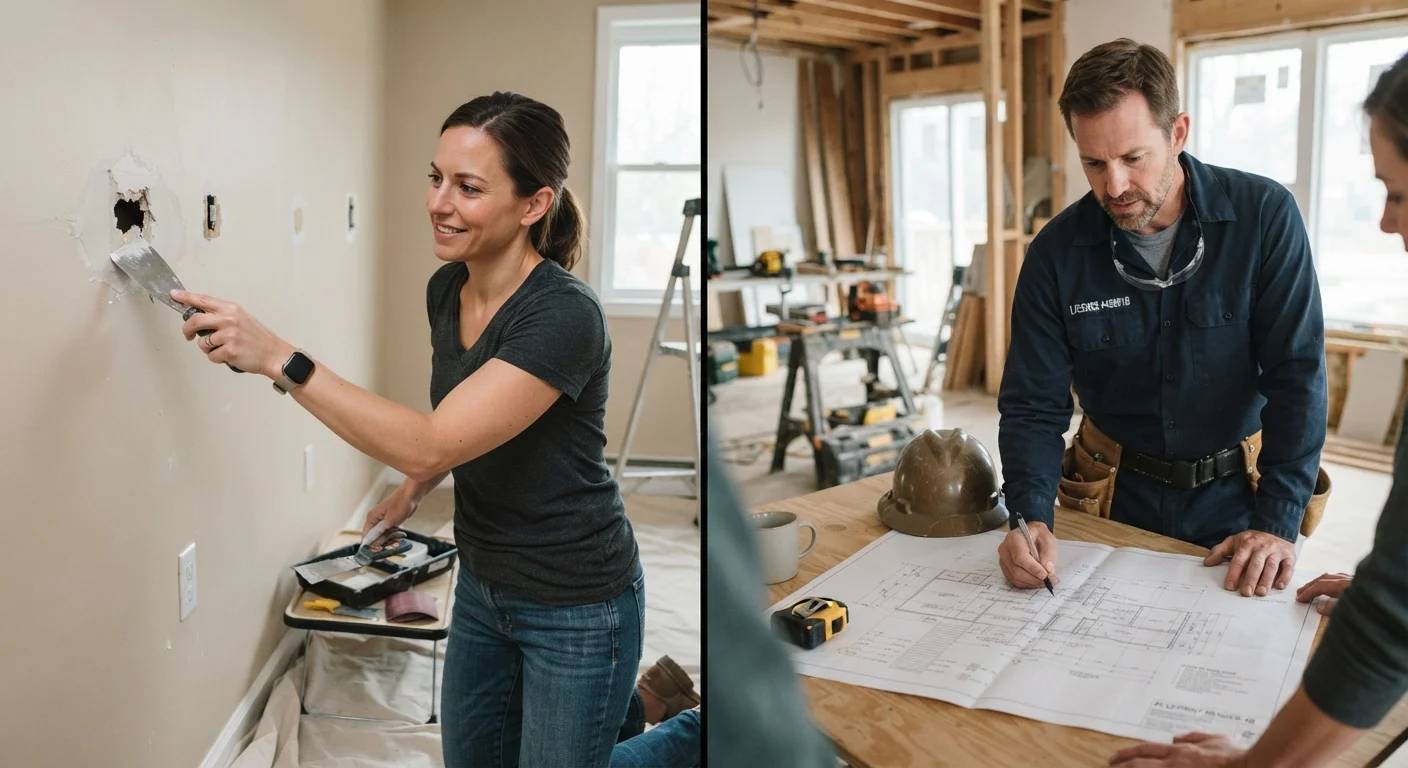
Photo: AnswersSquad.com | Explore Insightful Blogs editorial
Key Takeaways
- DIY is well-suited for low-risk cosmetic tasks like patching drywall, caulking, and replacing hardware.
- Electrical, gas, structural, and plumbing-into-mains work typically requires a licensed professional and permits.
- Unpermitted work can create insurance, liability, and resale complications for homeowners.
- The deciding factors are safety risk, required permits, and your honest skill assessment.
- Getting multiple quotes and checking licenses before hiring a contractor is always worth the effort.
Why the DIY vs. Pro Decision Actually Matters
For first-time homeowners, the temptation to DIY everything is real - and often healthy. Taking ownership of your space builds skills and can reduce costs. But treating every repair as a DIY opportunity is where things can quietly go wrong.
The stakes vary enormously by task. Repainting a bedroom? Minimal downside if you make mistakes. Tapping into your home's electrical panel without the right knowledge? That's a fire and safety risk, and possibly a code violation that affects your insurance coverage or the home's future sale.
See our full breakdown of DIY trade-offs for a wider look at when doing it yourself pays off - and when it doesn't. The goal here is to give you a practical decision framework you can apply task by task.
Tasks That Genuinely Suit the DIY Approach
A wide range of common home maintenance tasks are well within reach for someone willing to research the process, work carefully, and respect their own limits. These generally share a few traits: the work is reversible if done imperfectly, no permit is required, and the risk of injury or structural damage is low.
- Patching small drywall holes - Nail pops and small dings are cosmetic fixes that require only basic tools and patience.
- Caulking around tubs, sinks, and windows - Removes a common source of moisture intrusion and costs very little to do yourself.
- Replacing cabinet hardware, light switch covers, and outlet covers - Purely cosmetic, no permits needed.
- Painting interior walls and trim - Labor-intensive but forgiving; mistakes are fixable.
- Unclogging drains - Using a plunger or a hand snake on a sink or tub drain is generally safe and straightforward.
- Replacing showerheads or faucet aerators - These involve no changes to supply lines and usually require only a wrench and plumber's tape.
- HVAC filter replacement - One of the most overlooked maintenance tasks; doing it regularly can extend equipment life significantly.
Seasonal maintenance tasks like these are exactly the kind of steady upkeep that prevents emergency calls to contractors later.
Start Small to Build Confidence
When a Licensed Professional Is the Right Call
Some categories of work carry safety, code, or liability implications that make a licensed contractor not just preferable - but often legally required. Attempting these without proper credentials can void homeowner's insurance, create liability if someone is injured, or result in unpermitted work that complicates a future home sale.
| Task Type | DIY-Friendly | Licensed Pro Required | |
|---|---|---|---|
| Electrical panel / new circuits | No | Yes - permit typically required | |
| Painting interior walls | Yes | Not necessary | |
| Gas line repair or connection | No | Yes - safety and code critical | |
| Caulking / weatherstripping | Yes | Not necessary | |
| Load-bearing wall changes | No | Yes - structural risk | |
| HVAC filter replacement | Yes | Not necessary | |
| Sewer / main water line work | No | Yes - permit often required | |
| Small drywall patches | Yes | Not necessary |
Electrical work beyond replacing a standard outlet or switch - such as adding circuits, upgrading a panel, or running new wiring - typically requires a permit and a licensed electrician in most jurisdictions. The same logic applies to gas lines: any work involving gas appliances, connections, or piping should be handled by a licensed plumber or gas fitter.
Structural repairs - anything affecting load-bearing walls, foundations, or roof framing - fall into a similar category. If you're noticing cracks and aren't sure what they mean, learn to read what different wall and floor cracks are signaling before deciding whether to call someone in.
Other tasks that commonly require licensed professionals include: main water line repairs, sewer line work, HVAC installation or refrigerant handling, and any project triggering local building permits.
How to Evaluate Any Repair Before You Start
Before picking up a tool - or picking up the phone - run through a short mental checklist:
- Does this require a permit? Check your local municipality's website. Permitted work requires licensed contractors in most cases, and skipping permits can create serious issues down the road.
- What's the worst realistic outcome if I get this wrong? A botched paint job is a weekend inconvenience. A botched wiring job can start a fire. Calibrate your risk honestly.
- Do I have the tools and knowledge, or would acquiring them cost more than hiring out? Sometimes the math clearly favors a professional.
- Will this affect systems that are interconnected? Plumbing, electrical, and HVAC systems don't exist in isolation. A misstep in one area can cascade.
This same kind of structured thinking applies beyond the home. Our DIY car maintenance vs. mechanic guide walks through a very similar framework for vehicle upkeep decisions.
Unpermitted Work Can Backfire Seriously
And be skeptical of common assumptions about home upkeep costs and necessity - our piece on home maintenance myths that cost owners money covers several misconceptions worth unlearning.
Hiring a Contractor Wisely
When a licensed pro is the right choice, a little diligence in vetting protects you from a different set of risks. Here's what to do before signing anything:
- Verify their license with your state's contractor licensing board - most states have a searchable online database.
- Ask for proof of insurance covering both liability and workers' compensation. This protects you if something goes wrong on your property.
- Get at least two or three written estimates for any significant job. Wide variation in quotes is worth understanding before you proceed.
- Request references and look at completed work where possible, especially for larger projects.
- Never pay the full amount upfront. A reasonable deposit is normal; full payment before completion is a red flag.
Being an informed homeowner doesn't mean doing everything yourself - it means understanding enough to make sound decisions in either direction.
This article provides general home maintenance information for educational purposes only. Local building codes, permit requirements, and safety standards vary by jurisdiction. Always verify requirements with your local authority and consult a licensed professional before undertaking any work involving electrical, gas, structural, or plumbing systems.
The content provided on our blog site traverses numerous categories, offering readers valuable and practical information. Readers can use the editorial team’s research and data to gain more insights into their topics of interest. However, they are requested not to treat the articles as conclusive. The website team cannot be held responsible for differences in data or inaccuracies found across other platforms. Please also note that the site might also miss out on various schemes and offers available that the readers may find more beneficial than the ones we cover.