
The Case For and Against DIY Home Repairs

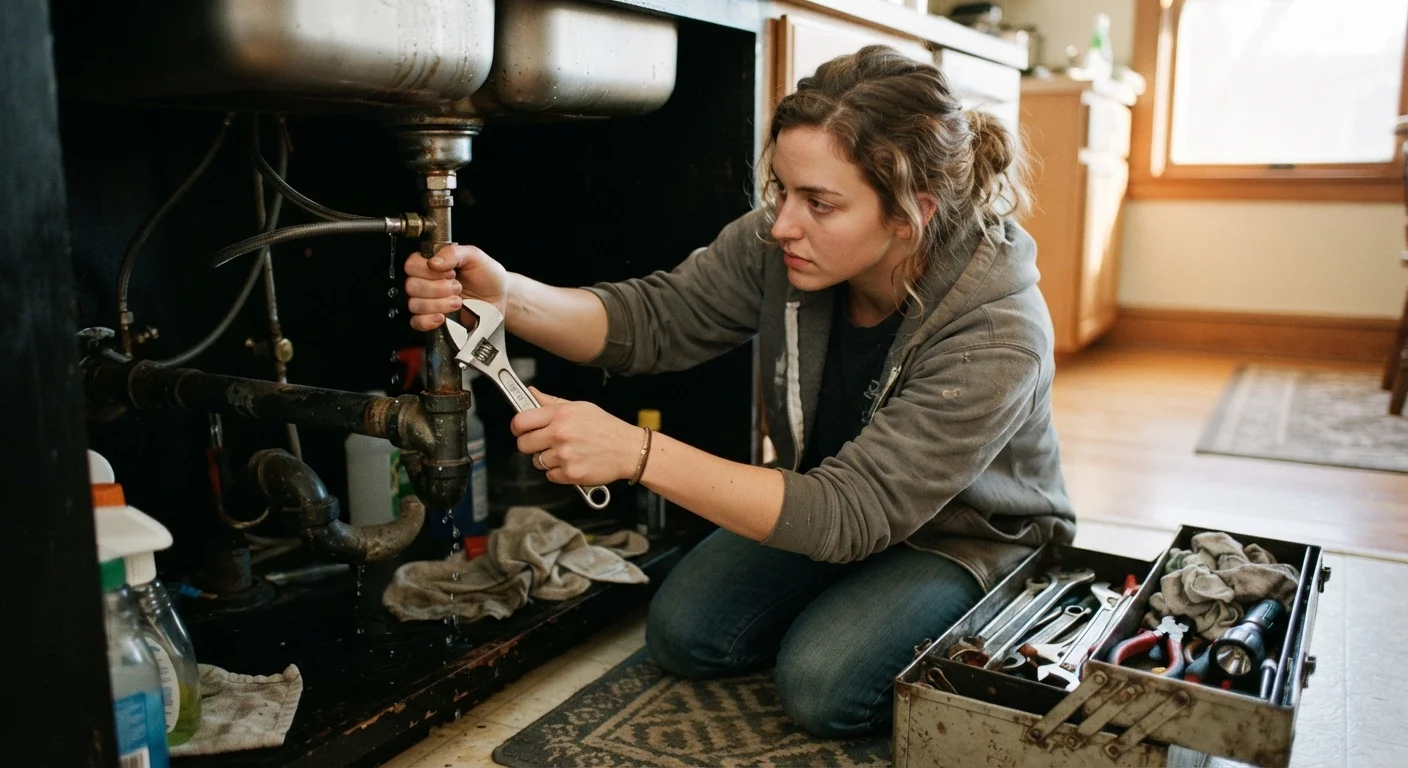
Photo: AnswersSquad.com | Explore Insightful Blogs editorial
Key Takeaways
- DIY repairs can meaningfully reduce labor costs on straightforward maintenance tasks.
- Certain jobs - electrical, gas, structural - carry safety and legal risks that make professional help the smarter choice.
- Building basic repair skills takes time and practice; expect a learning curve on your first attempts.
- Mistakes on DIY repairs can sometimes cost more to fix than hiring a pro from the start.
- Knowing where to draw the line is the most valuable skill a homeowner can develop.
Reduces labor costs on straightforward tasks
Labor often makes up the majority of a service invoice. Handling routine maintenance yourself - caulking, filter changes, minor patching - can keep those costs out of the equation entirely.
Builds lasting knowledge of your home's systems
Each repair you complete deepens your understanding of how your home works, making it easier to spot early warning signs and have informed conversations with contractors.
Flexible scheduling on your own timeline
DIY means no waiting for contractor availability - useful for minor repairs that don't warrant emergency service fees but still need attention soon.
Develops a transferable, money-saving skill set
Repair skills compound over time. Competence built on one task often applies to related ones, reducing long-term maintenance costs across homeownership.
Mistakes can cost more than hiring a pro
An incorrectly done repair often requires professional remediation on top of the original fix. Water damage from a poorly connected fitting or an unsafe wiring job can multiply the final bill significantly.
Some work legally requires permits and licensed trades
Electrical, gas, and structural work typically requires permits in US jurisdictions. Unpermitted work can create liability issues, complicate home sales, and potentially void homeowner's insurance coverage.
Tools and materials have upfront costs
Specialized tools needed for a single repair can sometimes approach the cost of hiring out the job. It's worth calculating total material and tool costs before assuming DIY is the cheaper path.
Underestimating complexity is a common trap
Repairs that appear simple on video tutorials may involve variables specific to your home's age, materials, or layout. Discovering mid-project that the scope is larger than expected is a frequent first-timer experience.
Physical safety risks on certain task types
Work at height, around live electrical circuits, or near gas connections carries meaningful injury risk for untrained individuals. These categories warrant honest assessment before proceeding.
Why Homeowners Consider Doing It Themselves
The appeal of DIY home repair is easy to understand. Labor costs consistently make up the largest share of most home service bills - sometimes 50% or more of the total invoice. When a straightforward task like replacing a toilet flapper or resealing a window takes under an hour, paying a service call fee on top of parts can feel like poor value.
Beyond the money, there's a real confidence payoff. Completing a repair yourself builds familiarity with your home's systems - plumbing, HVAC, electrical basics - which helps you catch problems earlier and communicate more clearly with contractors when you do hire out. As you take on more tasks, that knowledge compounds. See our seasonal maintenance checklist for a practical starting point on low-risk upkeep habits that prevent larger problems.
Reduces labor costs on straightforward tasks
Labor often makes up the majority of a service invoice. Handling routine maintenance yourself - caulking, filter changes, minor patching - can keep those costs out of the equation entirely.
Builds lasting knowledge of your home's systems
Each repair you complete deepens your understanding of how your home works, making it easier to spot early warning signs and have informed conversations with contractors.
Flexible scheduling on your own timeline
DIY means no waiting for contractor availability - useful for minor repairs that don't warrant emergency service fees but still need attention soon.
Develops a transferable, money-saving skill set
Repair skills compound over time. Competence built on one task often applies to related ones, reducing long-term maintenance costs across homeownership.
The Real Risks of Going DIY
The confidence that makes DIY appealing can also be its biggest hazard. Underestimating a job's complexity is one of the most common - and costly - mistakes new homeowners make. A small plumbing repair done incorrectly can cause water damage behind walls; improperly wired outlets are a fire risk. In both cases, what started as cost-saving ends up costing significantly more to remediate.
There's also the regulatory dimension. Many repairs - anything touching electrical panels, gas lines, load-bearing structures, or new plumbing runs - require a permit and inspection in most US jurisdictions. Work done without the necessary permits can create serious complications when you sell the home, file an insurance claim, or need a future contractor to assess the work. Always check your local building department's requirements before starting any substantial project. Our companion article on when to hire a licensed contractor walks through this decision in detail.
Mistakes can cost more than hiring a pro
An incorrectly done repair often requires professional remediation on top of the original fix. Water damage from a poorly connected fitting or an unsafe wiring job can multiply the final bill significantly.
Some work legally requires permits and licensed trades
Electrical, gas, and structural work typically requires permits in US jurisdictions. Unpermitted work can create liability issues, complicate home sales, and potentially void homeowner's insurance coverage.
Tools and materials have upfront costs
Specialized tools needed for a single repair can sometimes approach the cost of hiring out the job. It's worth calculating total material and tool costs before assuming DIY is the cheaper path.
Underestimating complexity is a common trap
Repairs that appear simple on video tutorials may involve variables specific to your home's age, materials, or layout. Discovering mid-project that the scope is larger than expected is a frequent first-timer experience.
Physical safety risks on certain task types
Work at height, around live electrical circuits, or near gas connections carries meaningful injury risk for untrained individuals. These categories warrant honest assessment before proceeding.
How to Decide: A Practical Framework
The clearest way to evaluate any repair is to ask three questions: What's the worst-case outcome if I get this wrong? Do I have - or can I realistically acquire - the tools and knowledge to do it safely? Does this job require a permit or licensed trade?
If the worst case is minor (a small cosmetic flaw, a slightly imperfect caulk line), the stakes are manageable and DIY is a reasonable choice. If the worst case involves safety hazards, structural failure, or voiding your homeowner's insurance, you've found your line. It's also worth factoring in time honestly - a weekend project that stretches across three weekends has a real cost in stress and disruption, even if no money changes hands.
When Permits Are Not Optional
For the budget side of these decisions, it helps to have a clear picture of your home maintenance reserves. Our budgeting basics hub covers practical ways to set aside funds for both planned upkeep and unexpected repairs.
~35%
Share of home service cost that is parts
Industry estimates generally indicate labor accounts for the majority of most home repair invoices, with materials comprising roughly a third or less of the total.
1 in 5
DIY projects that require professional remediation
Home improvement surveys have consistently found that a meaningful share of DIY attempts result in additional professional costs to correct or complete the work.
Building Skills Incrementally
The most effective DIYers don't start with ambitious projects - they build a foundation of smaller wins first. Replacing outlet covers, touching up paint, cleaning gutters, swapping air filters, and caulking around tubs are all genuinely learnable tasks with low stakes and clear instructional resources available online and at most hardware stores.
Treat each completed repair as a data point: what did you struggle with? What tool were you missing? Where did the job take twice as long as expected? That honest self-assessment, over time, gives you a reliable sense of where your skills actually sit. You may also find that common maintenance myths have been shaping which tasks you've been avoiding - sometimes the "hard" jobs are more approachable than their reputation suggests.
This article is for general informational purposes only. Home repair requirements, permit rules, and safety codes vary by location. Always verify local regulations and consult a licensed professional for work involving electrical systems, gas lines, structural elements, or any task that requires a permit.
The content provided on our blog site traverses numerous categories, offering readers valuable and practical information. Readers can use the editorial team’s research and data to gain more insights into their topics of interest. However, they are requested not to treat the articles as conclusive. The website team cannot be held responsible for differences in data or inaccuracies found across other platforms. Please also note that the site might also miss out on various schemes and offers available that the readers may find more beneficial than the ones we cover.