
Home Maintenance Myths That Cost Owners Unnecessary Money

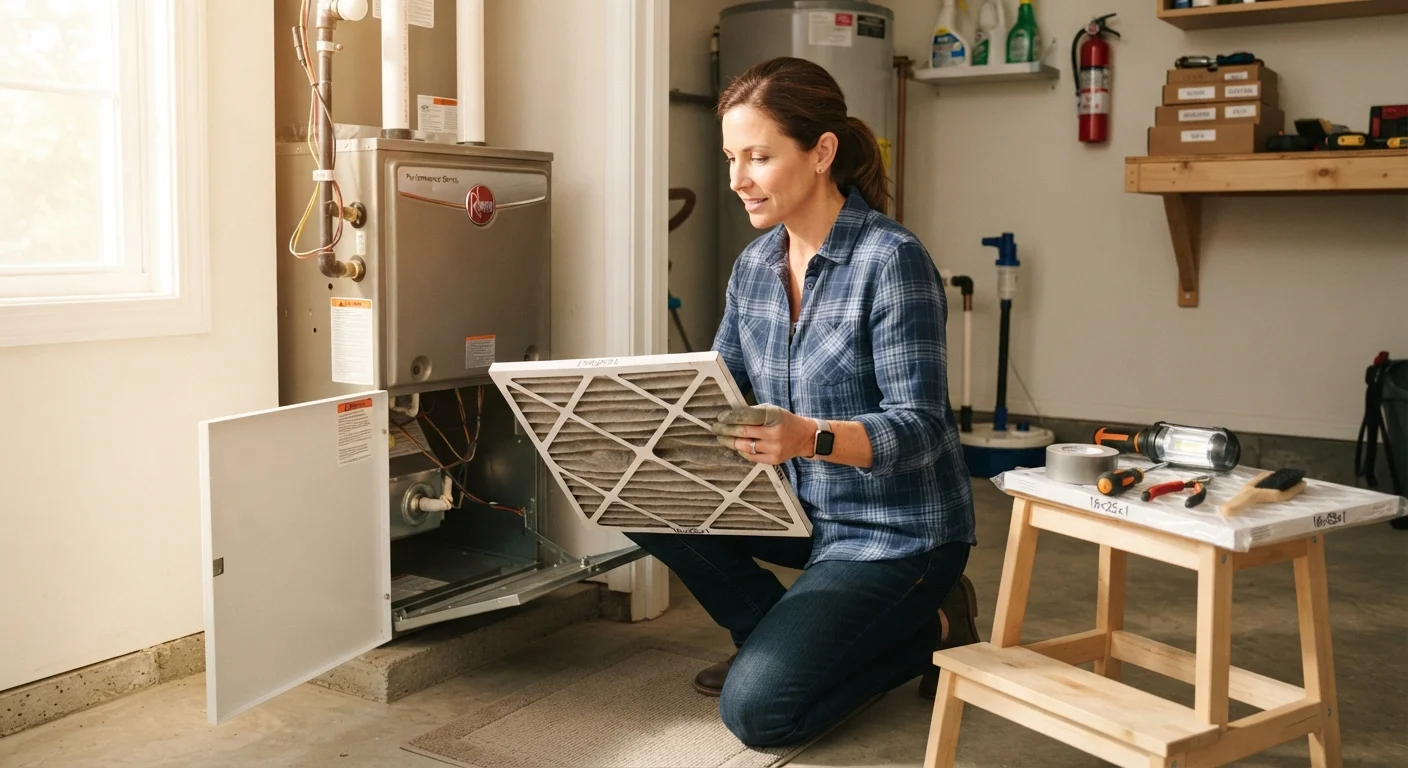
Photo: AnswersSquad.com | Explore Insightful Blogs editorial
Key Takeaways
- Skipping routine maintenance rarely saves money - it typically converts small problems into expensive repairs.
- HVAC filters, caulking, and gutter cleaning are low-cost tasks that protect high-cost systems.
- Not every maintenance job requires a contractor, but some tasks should never be DIY - knowing the difference matters.
- A simple, scheduled maintenance calendar is more effective than reacting to problems as they appear.
- New homes still need routine upkeep; age alone doesn't determine a home's maintenance demands.
Why Maintenance Myths Are So Expensive
First-time homeowners are bombarded with well-meaning advice - from family, online forums, and gut instinct. Some of it is solid. A lot of it isn't. The problem is that bad advice about home maintenance rarely announces itself immediately. It shows up months or years later as a $4,000 HVAC replacement, a water-damaged subfloor, or a pest infestation that could have been caught early.
This article walks through the most common misconceptions we hear from new owners, corrects the record, and explains what to do instead. See our first-year homeowner's maintenance calendar for a practical task-by-task breakdown once you're ready to build a routine.
Myth
If nothing is visibly broken, there's nothing to maintain.
Fact
Most home systems degrade silently long before failure becomes visible. Routine checks catch problems before they become costly.
Caulking dries out, HVAC filters clog, and water heater sediment accumulates - none of which shows up as an obvious problem until real damage has occurred. The absence of a symptom doesn't mean a system is healthy; it often just means it hasn't reached the visible failure point yet. Scheduled walkthroughs and manufacturer-recommended service intervals exist precisely because these problems aren't self-announcing.
Myth
New homes don't need maintenance for the first few years.
Fact
New construction requires maintenance from day one - warranties don't cover wear from neglect, and some issues emerge quickly.
Builder warranties typically cover structural defects and certain systems, but they don't excuse owners from routine upkeep. Grading around a new home can settle and direct water toward the foundation. Caulking around windows and tubs can shrink within the first year. HVAC filters need changing regardless of whether the unit is brand new. Assuming newness means maintenance-free is one of the most costly misconceptions a first-time buyer can carry into homeownership.
Myth
You only need to change HVAC filters once or twice a year.
Fact
Most HVAC manufacturers recommend filter changes every one to three months, depending on filter type, household size, and pets.
A clogged filter forces your HVAC system to work harder to pull air through, which increases energy use and accelerates wear on the blower motor and other components. In homes with pets or allergy sufferers, filters can reach capacity faster. Check your system's manual for the manufacturer's recommendation - it's one of the cheapest maintenance tasks you can do (filters typically cost a few dollars each) and one of the highest-impact ones for system longevity.
Myth
Small plumbing leaks aren't worth worrying about until they get bigger.
Fact
Even minor leaks can cause structural water damage, mold growth, and significantly higher water bills over time.
A slow drip from a faucet or under a sink might seem trivial, but water is persistently destructive. Over weeks and months, a small leak can saturate cabinet floors, damage subfloor materials, and create conditions favorable to mold. The U.S. Environmental Protection Agency has noted that household leaks can waste significant amounts of water annually. Catching and fixing leaks early is nearly always cheaper than remediating the downstream damage. For a solid grounding in your home's water systems, see plumbing basics every homeowner should understand.
Myth
Cracks in walls are always a sign of serious structural problems.
Fact
Many cracks are cosmetic and result from normal settling - but some patterns do warrant a professional inspection.
Not all cracks are equal. Hairline cracks along drywall seams or at corners are extremely common in homes of all ages and typically reflect normal thermal expansion or settling. Horizontal cracks in a basement wall, or wide diagonal cracks near door frames, are more concerning and worth having evaluated by a structural engineer. The key is learning what to look for rather than panicking at every crack or ignoring all of them. Our article on reading cracks in walls and floors breaks this down clearly.
Myth
Gutter cleaning is optional if your yard doesn't have many trees.
Fact
Gutters collect debris from multiple sources and should be inspected at least twice a year regardless of nearby tree cover.
Wind carries seeds, shingle grit, and general debris into gutters even on properties with minimal tree canopy. Blocked gutters cause water to back up under roofing materials, overflow against siding, or pool against the foundation - all of which lead to expensive repairs. A twice-yearly cleaning (typically spring and fall) and a visual check after major storms is a low-effort habit that protects some of the most expensive parts of your home.
The Real Cost of Doing Nothing
Reactive maintenance - waiting until something breaks to deal with it - is consistently more expensive than scheduled upkeep. This is true in home care just as it is with vehicles. One analysis of maintenance versus repair costs found that deferred maintenance on residential properties compounds quickly, because one failing system (say, a leaking roof) often damages adjacent systems (insulation, drywall, electrical).
1%
Annual home value to budget for maintenance
A commonly cited rule of thumb among housing professionals suggests budgeting around 1% of a home's purchase price per year for routine maintenance and repairs.
3x+
Cost multiplier for deferred vs. proactive repairs
Industry estimates consistently suggest that deferred maintenance repairs cost several times more than the preventive work that would have avoided them.
The good news: most high-impact maintenance tasks are genuinely affordable and within the skill range of a careful beginner. The key is understanding which tasks belong on your to-do list and which ones belong on a licensed professional's. Our guide on DIY repairs vs. licensed contractors walks through that distinction clearly.
If you want to understand how to structure your upkeep over the year, what a home maintenance schedule actually looks like is a useful starting point. For tasks with the biggest preventive payoff - gutters, HVAC filters, roof checks - see seasonal tasks that prevent the most costly home repairs.
Some Repairs Require a Licensed Professional
The content provided on our blog site traverses numerous categories, offering readers valuable and practical information. Readers can use the editorial team’s research and data to gain more insights into their topics of interest. However, they are requested not to treat the articles as conclusive. The website team cannot be held responsible for differences in data or inaccuracies found across other platforms. Please also note that the site might also miss out on various schemes and offers available that the readers may find more beneficial than the ones we cover.