
Reading Your Home: What Different Cracks in Walls and Floors Are Telling You

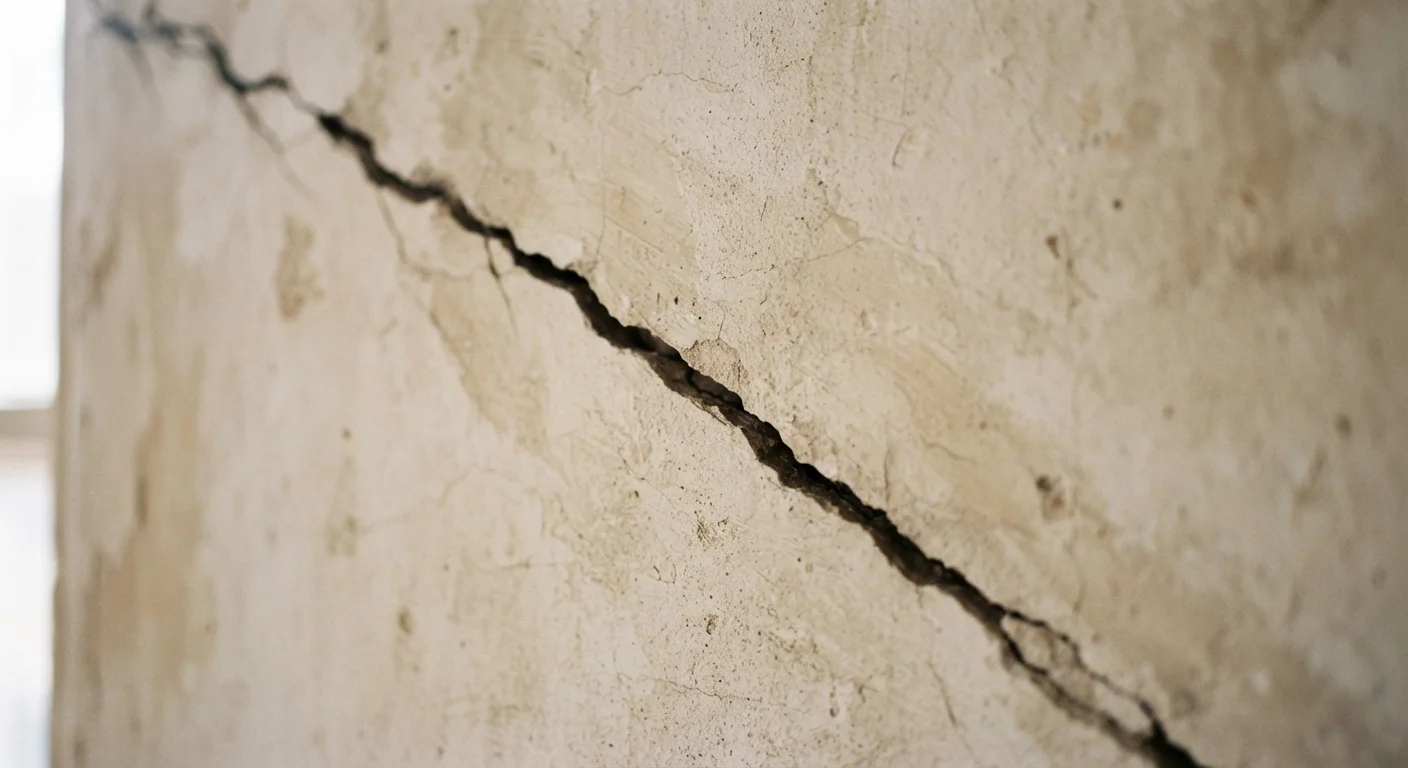
Photo: AnswersSquad.com | Explore Insightful Blogs editorial
Why Cracks Appear in the First Place
Every home moves. Temperature swings cause materials to expand and contract. Soil beneath a foundation shifts with moisture and seasonal frost. Freshly poured concrete and plaster cure and shrink over months. This movement is normal - and it leaves marks.
The question isn't whether you'll see cracks; it's what each crack is communicating. The four variables that matter most are width, direction, location, and whether the crack is active or stable. A hairline crack in ceiling drywall after a dry winter is almost always cosmetic. A diagonal crack running from the corner of a door frame toward the floor deserves closer attention.
Building this vocabulary makes you a more confident homeowner. See how to work visual checks into a regular maintenance routine so small problems don't go unnoticed until they're expensive.
Hairline crack
A very fine, shallow crack less than 1/16 inch wide, typically limited to paint or surface finish. Usually cosmetic and caused by normal settling or humidity changes.
Differential settlement
Uneven sinking of a building's foundation, where one section drops more than another. A common cause of diagonal or stair-step cracks that may require professional evaluation.
Efflorescence
A white, chalky mineral deposit on concrete or masonry when water moves through the material and evaporates. Its presence near a crack often signals moisture infiltration.
Stair-step crack
A crack that travels diagonally in a stair-step pattern along mortar joints in brick or block walls. Often associated with foundation movement rather than surface-only settling.
Heaving
Upward movement of a floor or foundation slab, usually caused by expanding soil or frost beneath the surface. Heaving can cause floors to crack or buckle unevenly.
Shrinkage crack
A crack that forms as concrete or plaster cures and loses moisture. These are generally narrow, evenly distributed, and considered normal in new construction.
A Field Guide to Common Crack Types
Match what you're seeing at home to the patterns and likely causes below.
| Width threshold for concern | Cracks wider than 1/4 inch (about the width of a standard pencil) (General structural engineering guidance) |
| Most common cosmetic crack type | Hairline vertical or shrinkage cracks in drywall or plaster |
| Pattern most linked to foundation issues | Diagonal or stair-step cracks, especially near door and window corners (Building inspection industry standard guidance) |
| Sign a crack is still active | Sharp edges to the touch, fresh dust at the base, or visible change over weeks |
| When to call a structural engineer | Cracks over 1/4 inch wide, with displacement, or accompanied by sticking doors or sloping floors |
| Permits and licensed trades | Foundation and structural repairs typically require licensed contractors and local permits - always verify |
Hairline Cracks in Drywall or Plaster
These fine, surface-level cracks are extremely common, particularly in homes under a few years old or in regions with significant seasonal humidity swings. They typically result from joint compound shrinkage or aging paint. Repair is straightforward - patching and refinishing drywall is a manageable DIY task once you confirm the crack isn't growing.
Vertical Cracks in Walls
Straight vertical cracks are usually signs of settling that has already stabilized. In poured concrete foundations, narrow vertical cracks can result from normal curing shrinkage. Monitor width over time. If one side of the crack sits higher than the other - called displacement - that indicates differential settlement and warrants a professional look.
Horizontal Cracks in Basement or Foundation Walls
This is the pattern structural engineers flag most urgently. Horizontal cracks in a concrete block or poured foundation wall can indicate lateral soil pressure pushing inward - meaning the wall itself is under active stress. Do not attempt to fill or patch these yourself. Contact a licensed structural engineer.
Diagonal and Stair-Step Cracks
Diagonal cracks radiating from the corners of windows and door frames often point to differential settlement beneath the structure. Stair-step cracks in brick or block follow mortar joints and signal the same underlying cause. These aren't automatically emergencies, but they do merit monitoring - and professional evaluation if they widen or multiply.
Floor Cracks
Hairline cracks in concrete slabs are common shrinkage byproducts and generally cosmetic. Wider cracks, cracks where one side sits higher (heaving), or cracks accompanied by moisture require investigation. Cracked tile grout can also hint at movement in the subfloor rather than a surface-only problem.
When in Doubt, Document and Monitor
Cosmetic Fix or Professional Call?
Once you've identified the crack type, your response falls into one of two clear paths.
Handle It Yourself
- Hairline drywall or plaster cracks that haven't changed in months
- Narrow shrinkage cracks in a concrete floor with no displacement or moisture
- Surface paint cracking with no underlying wall damage
For surface repairs, patching compound and a careful repaint are typically sufficient. Review when DIY is genuinely appropriate versus when it creates risk before starting any structural-adjacent work.
Get a Professional Assessment
- Any crack wider than 1/4 inch
- Cracks with visible displacement
- Horizontal foundation wall cracks
- Multiple diagonal cracks appearing simultaneously
- Cracks paired with sticking doors, sloping floors, or water intrusion
A licensed structural engineer - distinct from a general contractor - is the right professional for foundation and load-bearing wall concerns. Structural repairs typically require permits and licensed tradespeople; always verify your local requirements before work begins. Check your exterior walls regularly too: failing exterior sealants and surface cracks can drive moisture inward and accelerate interior damage.
This article is for general informational and educational purposes only. It is not a substitute for evaluation by a licensed structural engineer or qualified building professional. Consult a licensed contractor or engineer before undertaking any repairs that may affect your home's structure or safety.
The content provided on our blog site traverses numerous categories, offering readers valuable and practical information. Readers can use the editorial team’s research and data to gain more insights into their topics of interest. However, they are requested not to treat the articles as conclusive. The website team cannot be held responsible for differences in data or inaccuracies found across other platforms. Please also note that the site might also miss out on various schemes and offers available that the readers may find more beneficial than the ones we cover.