
The Seasonal Car Maintenance Tasks Most New Owners Overlook

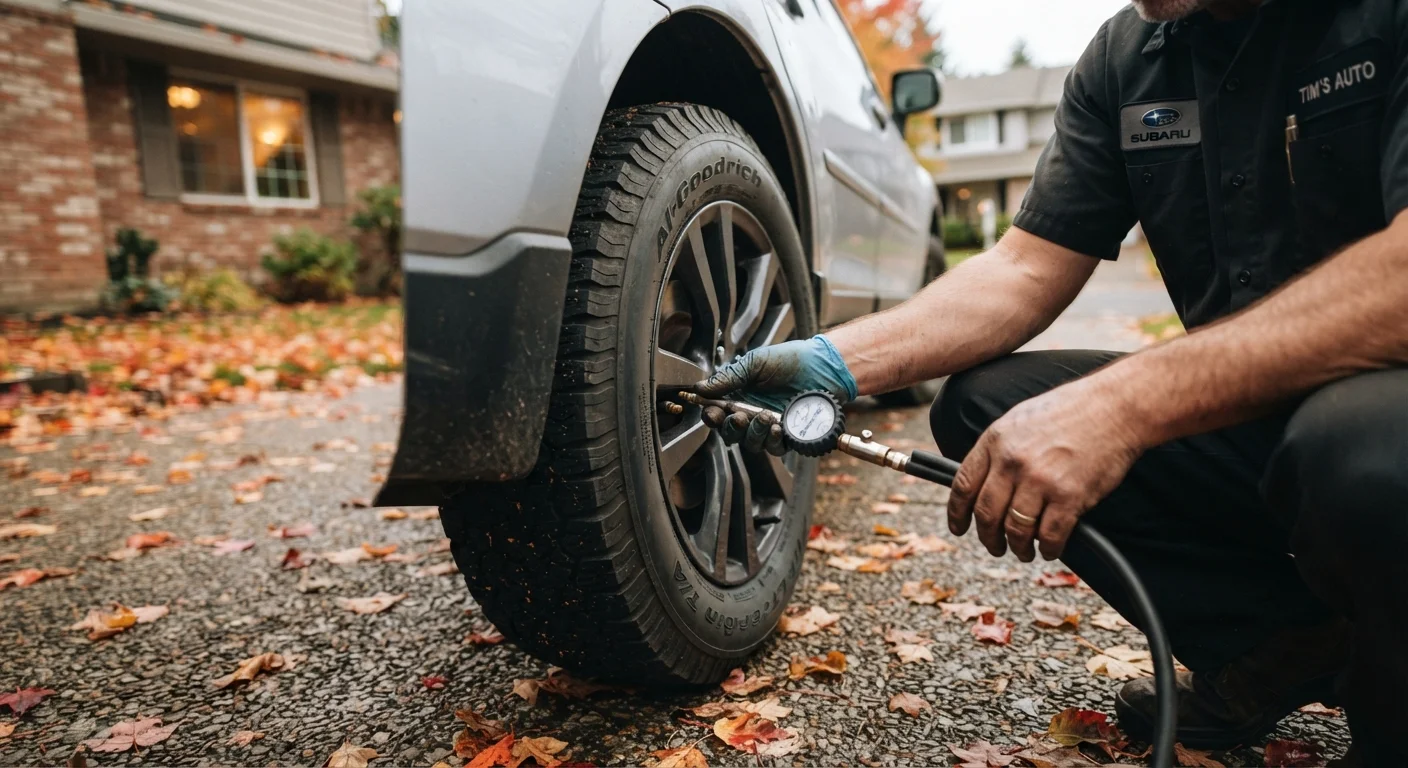
Photo: AnswersSquad.com | Explore Insightful Blogs editorial
Key Takeaways
- Temperature swings affect tire pressure, battery performance, and fluid viscosity - each season demands specific checks.
- Many overlooked seasonal tasks cost almost nothing to address early but can become expensive repairs if ignored.
- Your owner's manual is the most reliable seasonal maintenance guide for your specific vehicle.
- Some tasks are DIY-friendly; others should always go to a qualified mechanic for safety reasons.
- Building seasonal habits - not one-time fixes - is what keeps a car reliable year after year.
Why Seasons Matter More Than Most New Owners Expect
When you buy your first car, it's easy to think of maintenance as a single checklist - change the oil, rotate the tires, done. But your car doesn't experience the year the way you do. Heat, cold, humidity, and road conditions each stress different systems in different ways. Staying ahead of those stressors is one of the most effective things you can do to avoid unexpected repair bills.
The tasks listed below are the ones that tend to fall through the cracks - not because they're complicated, but because they're not on the radar of someone who's new to ownership. Think of this as a supplement to your regular service schedule, not a replacement. For a broader look at what the first year of ownership should look like, see our first-year maintenance roadmap.
Check tire pressure at the start of every season
Tire pressure (PSI) drops roughly 1 PSI for every 10°F decrease in temperature. That means a tire that's properly inflated in September could be dangerously underinflated by December - without a single nail in sight. Underinflated tires wear unevenly, reduce fuel efficiency, and can compromise handling.
Check your tire pressure when the tires are cold (the car hasn't been driven in at least three hours). The correct PSI for your vehicle is printed on a sticker inside the driver's door jamb - not on the tire's sidewall, which shows the maximum pressure. Repeat this check as temperatures warm up in spring, since heat expands air and can push tires above the recommended range.
Tire pressure drops roughly 1 PSI for every 10°F of temperature decrease.
Test your battery before winter and after summer
Car batteries are stressed by both extremes. High summer heat accelerates internal corrosion and fluid evaporation inside the battery. Cold winter temperatures then reduce the battery's ability to deliver the power needed to start the engine. The result: a battery weakened by summer often fails its first cold morning in November.
Many auto parts retailers offer free battery load testing - a quick diagnostic that checks whether the battery can hold a charge under real operating conditions. If your battery is three or more years old, testing it each fall is a smart precaution. A mechanic can also check this during a routine service visit.
A battery weakened by summer heat often fails on the first cold morning of winter.
Inspect wiper blades before rainy and snowy seasons
Wiper blades degrade gradually, making it hard to notice how compromised they've become - until you're driving in a downpour and visibility is suddenly poor. Rubber blades are damaged by UV exposure in summer and can become brittle or cracked heading into winter.
Test your wipers before fall rains arrive and again before the first snowfall. Streaking, skipping, or squeaking are clear signs replacement is overdue. Wiper blades are among the least expensive car parts to replace and are typically straightforward to swap yourself - though instructions vary by vehicle, so check your owner's manual. Some drivers use dedicated winter blades designed to prevent ice buildup in the blade frame.
Wiper blades degrade gradually - test them before fall rains and first snowfall.
Flush and refill coolant on the manufacturer's schedule
Coolant (sometimes called antifreeze) does two jobs: it prevents the engine from overheating in summer and from freezing in winter. Over time, coolant breaks down and becomes less effective at both. It can also become acidic, which corrodes the metal components of your cooling system from the inside.
Most manufacturers recommend flushing and replacing coolant every two to five years, but the exact interval varies - check your owner's manual. The coolant concentration also matters: a 50/50 mix of coolant and distilled water is standard, but in regions with very harsh winters, a slightly higher coolant ratio may be appropriate. This is a task most people bring to a mechanic, as the cooling system operates under pressure and requires safe handling.
Old coolant turns acidic and corrodes your cooling system from the inside out.
Check brake performance after winter road salt exposure
Roads treated with salt and de-icing chemicals during winter create a corrosive environment for your brakes. Rotors (the disc-shaped metal components that your brake pads clamp against to slow the car) can develop surface rust after prolonged salt exposure, especially if the car sits unused for days at a time.
While light surface rust on rotors often clears with normal driving, heavier corrosion or pitting can reduce braking effectiveness. Spring is a good time to have your brakes inspected - look for squealing, grinding, or a pulsing sensation when you apply the pedal. Our guide on brake maintenance basics covers what warning signs to look for and when to act.
Winter road salt accelerates brake rotor corrosion - a spring inspection is worth it.
Replace your cabin air filter once a year
The cabin air filter cleans the air that comes through your car's ventilation system - the same air you breathe while driving. Over time it collects dust, pollen, mold spores, and debris, which reduces airflow and can make your HVAC system work harder.
Most manufacturers recommend replacing it annually or every 15,000-25,000 miles, but drivers in dusty or high-pollen environments may need to do it more often. Late winter or early spring - just before pollen season - is a practical time to make this swap. The filter is typically located behind the glove box and is one of the more accessible DIY jobs for new owners, though location varies by vehicle.
A clogged cabin filter reduces airflow and makes your HVAC system work harder than it should.
Making Seasonal Maintenance a Habit That Sticks
The goal isn't to memorize every task - it's to build a rhythm. Tying these checks to the change of seasons gives you four natural checkpoints per year. Set a calendar reminder at the start of each season, walk around your car, and work through the relevant items above. Most of them take under 15 minutes and require no special tools.
Use your owner's manual as your seasonal guide
If you're unsure which tasks are safe to handle yourself and which need a professional, our guide on DIY vs. mechanic decisions can help you draw that line confidently. And if you want to make sure nothing slips through the cracks over time, consider keeping a simple maintenance log - it takes minutes to update and can protect your vehicle's resale value down the road.
This article is for general informational purposes only and does not constitute professional mechanical advice. Always consult a qualified mechanic for diagnosis or repair decisions specific to your vehicle.
The content provided on our blog site traverses numerous categories, offering readers valuable and practical information. Readers can use the editorial team’s research and data to gain more insights into their topics of interest. However, they are requested not to treat the articles as conclusive. The website team cannot be held responsible for differences in data or inaccuracies found across other platforms. Please also note that the site might also miss out on various schemes and offers available that the readers may find more beneficial than the ones we cover.