
Your First Year of Car Ownership: A Maintenance Roadmap

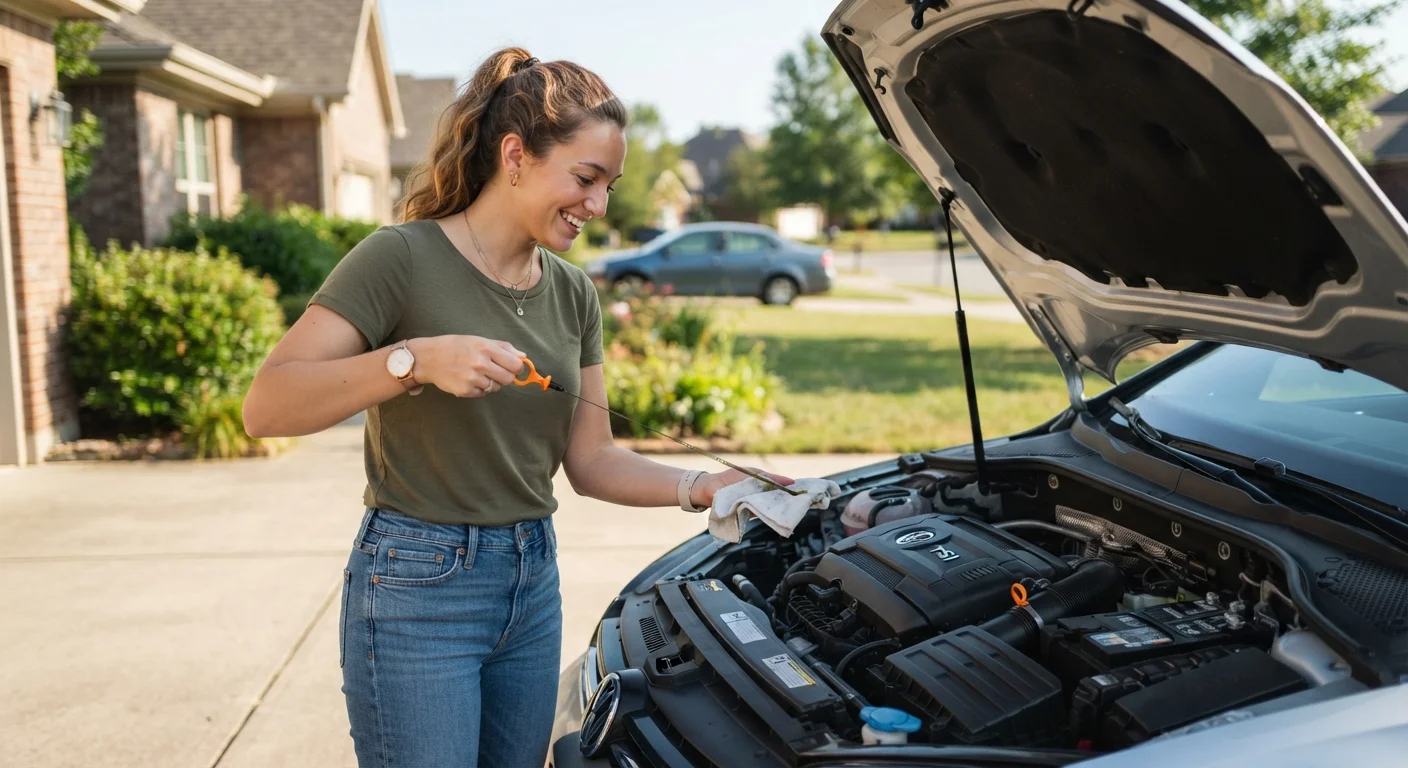
Photo: AnswersSquad.com | Explore Insightful Blogs editorial
Key Takeaways
- Most vehicle problems are preventable with simple, consistent maintenance habits started early.
- Your owner's manual is the most reliable source for service intervals specific to your car.
- Oil changes, tire checks, and fluid inspections are the three highest-impact monthly habits.
- Keeping a maintenance log protects your car's resale value and helps you avoid missed service.
- Seasonal changes introduce unique demands on your vehicle that require separate attention.
Why the First Year Sets the Tone
The first twelve months of owning a car are the most important for establishing habits that protect your vehicle long-term. Whether your car is brand new or used, the maintenance choices you make now determine how reliable, safe, and cost-effective it remains for years ahead.
New owners often underestimate how interconnected a car's systems are. A tire that's consistently underinflated puts extra stress on suspension components. Engine oil that's overdue for a change leads to accelerated wear on internal parts. Small oversights compound quietly until they become expensive repairs. The good news: most of these problems are entirely preventable with straightforward, regular attention.
This roadmap treats your first year as a learning period - not just for fixing things that go wrong, but for understanding your vehicle well enough to prevent problems from starting. If you haven't yet purchased your first car, our first car buying guides can help you start on the right foot.
The Maintenance Tasks Every New Owner Should Know
Before mapping out a timeline, it helps to understand the core tasks that form the backbone of car upkeep. These aren't complicated - but knowing what each one does helps you prioritize them correctly.
Owner's manual
A booklet or digital document provided with your vehicle that specifies how to operate it correctly and when each maintenance service is due.
Service interval
The recommended distance (in miles) or time (in months) between a specific type of maintenance, such as an oil change or tire rotation.
Tire tread depth
The thickness of the grooves on your tire surface. Adequate tread depth is what allows tires to grip wet or slippery roads safely.
Coolant
A fluid that circulates through your engine to regulate its temperature, preventing overheating in summer and freezing in winter.
Brake pads
Friction components that press against the brake rotors to slow and stop your vehicle. They wear down gradually and need periodic inspection and replacement.
Cabin air filter
A filter that cleans the air flowing into your car's interior through the heating and air conditioning system. It traps dust, pollen, and debris.
- Oil and oil filter changes: Engine oil lubricates moving parts and prevents overheating. Over time it breaks down and collects contaminants. Your owner's manual specifies the correct interval for your vehicle.
- Tire pressure and tread checks: Properly inflated tires improve fuel efficiency, handling, and safety. Tread depth determines how well your tires grip the road, especially in rain.
- Fluid inspections: Beyond engine oil, your car relies on coolant, brake fluid, power steering fluid (if applicable), and windshield washer fluid - each with its own level and condition to monitor.
- Air filter inspection: The engine air filter prevents dust and debris from entering the engine. A clogged filter reduces performance and fuel efficiency.
- Brake inspection: Brake pads wear down over time. Squealing sounds or reduced stopping power are warning signs that require prompt attention from a qualified mechanic.
- Battery health: Car batteries typically last three to five years. Slow engine cranking or dashboard warning lights may signal a weakening battery.
Always cross-reference these tasks with your vehicle's owner's manual - intervals vary by make, model, and how you drive.
Your Month-by-Month Maintenance Roadmap
Rather than waiting for something to go wrong, use this loose framework to spread maintenance attention across the year. Adjust timing based on your owner's manual and your actual mileage.
Months 1-3: Learn Your Vehicle
In your first three months, focus on getting acquainted. Read your owner's manual cover to cover - at minimum, find the service schedule section. Locate all fluid reservoirs under the hood and note their current levels. Check tire pressure using a gauge (the correct pressure is printed on a sticker inside your driver's door, not on the tire sidewall). Make sure all lights - headlights, brake lights, turn signals - are functioning.
Use Your Odometer, Not Just the Calendar
Months 4-6: First Major Check-In
By the midpoint of your first year, schedule your first professional inspection if you haven't already. Depending on your mileage and oil type, an oil and filter change is likely due. Have a mechanic visually inspect brake pads and tire tread depth. If you're approaching summer or winter, this is also the right time to prepare for seasonal demands - for a thorough breakdown, see our guide on seasonal car maintenance tasks most new owners overlook.
Months 7-9: Mid-Year Monitoring
Continue monthly tire pressure checks and fluid top-offs. Listen for any new sounds - squealing brakes, rattling exhaust, or knocking from the engine - and report them to a mechanic promptly. Do not delay on brake or steering concerns; these are safety systems.
Months 10-12: Year-End Assessment
As your first year closes, schedule a comprehensive service appointment. This is a good point to have battery terminals inspected, cabin and engine air filters evaluated, and wiper blades replaced if needed. Review what maintenance you've completed and what's coming up in year two.
Keeping Track and Staying Consistent
Consistency matters more than expertise. A simple maintenance log - whether a notebook in your glove box, a spreadsheet, or a dedicated app - helps you track what was done and when, so nothing falls through the cracks. Recording the date, mileage, and service performed each time also builds documentation that can support warranty claims and boosts your car's resale value.
Our article on keeping a car maintenance log explains how to set one up from scratch. Once you're ready to turn these tasks into automatic habits, building a car maintenance habit that actually sticks offers practical strategies for making upkeep feel effortless.
It's also worth separating fact from fiction as you learn. Some maintenance advice passed down from older drivers no longer applies to modern vehicles - our piece on car maintenance myths new owners believe clears up the most common misconceptions.
Planning for the Costs Ahead
Routine maintenance has a cost, and first-time owners often underestimate how much car upkeep adds up over a year. Oil changes, tire rotations, brake pad replacements, and unexpected repairs are recurring expenses that deserve a dedicated budget line - separate from fuel and insurance.
Building a small emergency fund specifically for car repairs is a sound financial habit. Vehicle breakdowns rarely come with advance notice, and having funds set aside prevents a repair from disrupting your broader finances. For a full picture of what car ownership actually costs beyond the purchase price, see car ownership costs beyond the sticker price.
Approaching your first year with a plan - rather than reacting to problems as they arise - is the single most effective thing you can do to keep your car reliable and your costs predictable.
This article provides general automotive maintenance information for educational purposes. Always consult your vehicle's owner's manual and a qualified mechanic for advice specific to your car and circumstances.
Frequently Asked Questions
The content provided on our blog site traverses numerous categories, offering readers valuable and practical information. Readers can use the editorial team’s research and data to gain more insights into their topics of interest. However, they are requested not to treat the articles as conclusive. The website team cannot be held responsible for differences in data or inaccuracies found across other platforms. Please also note that the site might also miss out on various schemes and offers available that the readers may find more beneficial than the ones we cover.