
Scheduled Servicing vs Reactive Repairs: How Maintenance Costs Differ

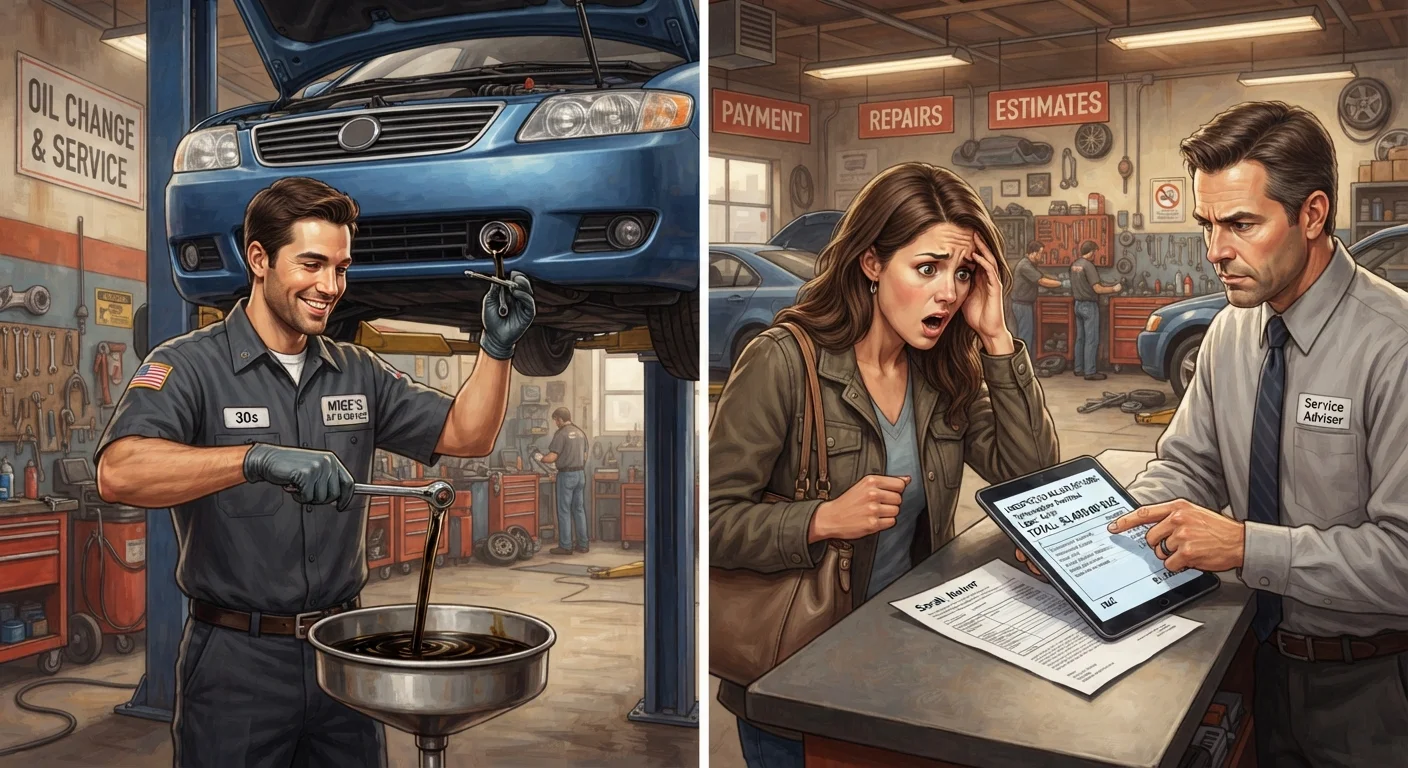
Photo: AnswersSquad.com | Explore Insightful Blogs editorial
Key Takeaways
- Scheduled servicing spreads predictable costs over time, making budgeting easier for young drivers.
- Reactive repairs typically cost significantly more than the routine services that would have prevented them.
- Skipping oil changes, filter replacements, and inspections can accelerate wear on major components.
- Emergency repair costs can also include towing fees, rental cars, and lost wages from unexpected downtime.
- Following your vehicle's manufacturer-recommended service intervals is the most reliable prevention strategy.
What Each Approach Actually Means
Scheduled servicing refers to maintenance performed at predetermined intervals - typically based on mileage or time - as outlined in your vehicle's owner's manual. Common examples include oil and filter changes, tire rotations, brake inspections, coolant flushes, and spark plug replacements. These tasks are designed to catch wear before it becomes damage.
Reactive repairs, by contrast, happen after something fails or a warning light appears. Instead of replacing a worn timing belt on schedule, for example, a reactive approach means waiting until it snaps - at which point the engine damage it causes can cost many times more to fix.
Understanding the difference is the first step toward smarter car ownership. For a broader look at where maintenance fits into total vehicle costs, see the full maintenance cost picture.
| Criterion | Scheduled Servicing | Reactive Repairs |
|---|---|---|
| Cost predictability | High - known costs in advance | Low - unpredictable, often large |
| Typical expense level | Lower per incident | Often significantly higher |
| Budget planning | Easy to plan for monthly | Difficult; may require emergency funds |
| Vehicle longevity | Supports longer vehicle life | Can shorten vehicle lifespan |
| Risk of breakdown | Reduced through early detection | Higher - problems found late |
| Resale value impact | Positive - documented history helps | Negative - gaps raise buyer concern |
| Hidden costs (towing, rentals) | Rare | Common during breakdowns |
The Real Cost Gap Between Prevention and Repair
The financial difference between these two approaches can be substantial. Consider a few common scenarios:
- Oil changes: A routine oil and filter change typically costs between $40-$100 depending on oil type and labor. Neglecting this can cause sludge buildup, leading to engine damage that may cost $3,000-$8,000 or more to address.
- Brake pads: Replacing brake pads on schedule generally costs $150-$300 per axle. Waiting until rotors are also damaged can push that figure to $400-$700 or higher per axle.
- Coolant system: A coolant flush (roughly $100-$150) prevents overheating. An overheated engine can result in a blown head gasket, a repair that commonly runs $1,500-$3,000.
These figures are general estimates; actual costs vary by vehicle type, region, and shop. The pattern, however, is consistent: deferred maintenance compounds costs rather than eliminates them.
3-4x
Cost multiplier when repairs replace routine servicing
Industry repair data consistently shows that neglecting routine maintenance leads to repair bills several times higher than the service cost that would have prevented them.
$1,200+
Average annual cost of unplanned car repairs per AAA estimates
AAA has reported that unexpected vehicle repairs can average over $1,200 per year for drivers who do not follow manufacturer maintenance schedules.
There are also indirect costs to consider. A breakdown on the road may require towing (often $100-$300), a rental vehicle, and potentially missed work. These expenses are rarely factored in when someone decides to skip a service appointment.
For strategies to keep all of these costs manageable, explore our guide to car costs on a tight budget.
How to Build Servicing Into Your Budget
One reason young drivers fall into reactive repair patterns is that servicing costs aren't always top of mind when monthly expenses are tight. A practical approach is to treat servicing as a recurring line item - just like rent or insurance.
Start by reviewing your owner's manual to identify the services due in the next 12 months and estimate their costs. Divide that annual total by 12 and set that amount aside each month in a dedicated savings buffer. This way, when a service is due, the money is already there.
For context, a typical new or newer used vehicle might need $500-$900 worth of scheduled maintenance per year. That works out to roughly $40-$75 per month - a much more digestible number than an unexpected $2,000 repair.
Some tasks, like checking tire pressure or inspecting wiper blades, can be done yourself at little to no cost. Learn which maintenance tasks are safe to DIY and which need a professional to stretch your servicing budget further.
The budgeting basics hub also offers practical frameworks for allocating money to irregular but predictable expenses like car maintenance.
This article provides general educational information about vehicle maintenance costs and is not a substitute for advice from a qualified mechanic. Costs mentioned are illustrative estimates and will vary by vehicle, location, and service provider. Always consult your vehicle's owner's manual and a licensed professional for guidance specific to your car.
The content provided on our blog site traverses numerous categories, offering readers valuable and practical information. Readers can use the editorial team’s research and data to gain more insights into their topics of interest. However, they are requested not to treat the articles as conclusive. The website team cannot be held responsible for differences in data or inaccuracies found across other platforms. Please also note that the site might also miss out on various schemes and offers available that the readers may find more beneficial than the ones we cover.