
Brake Maintenance Basics Every Driver Should Understand

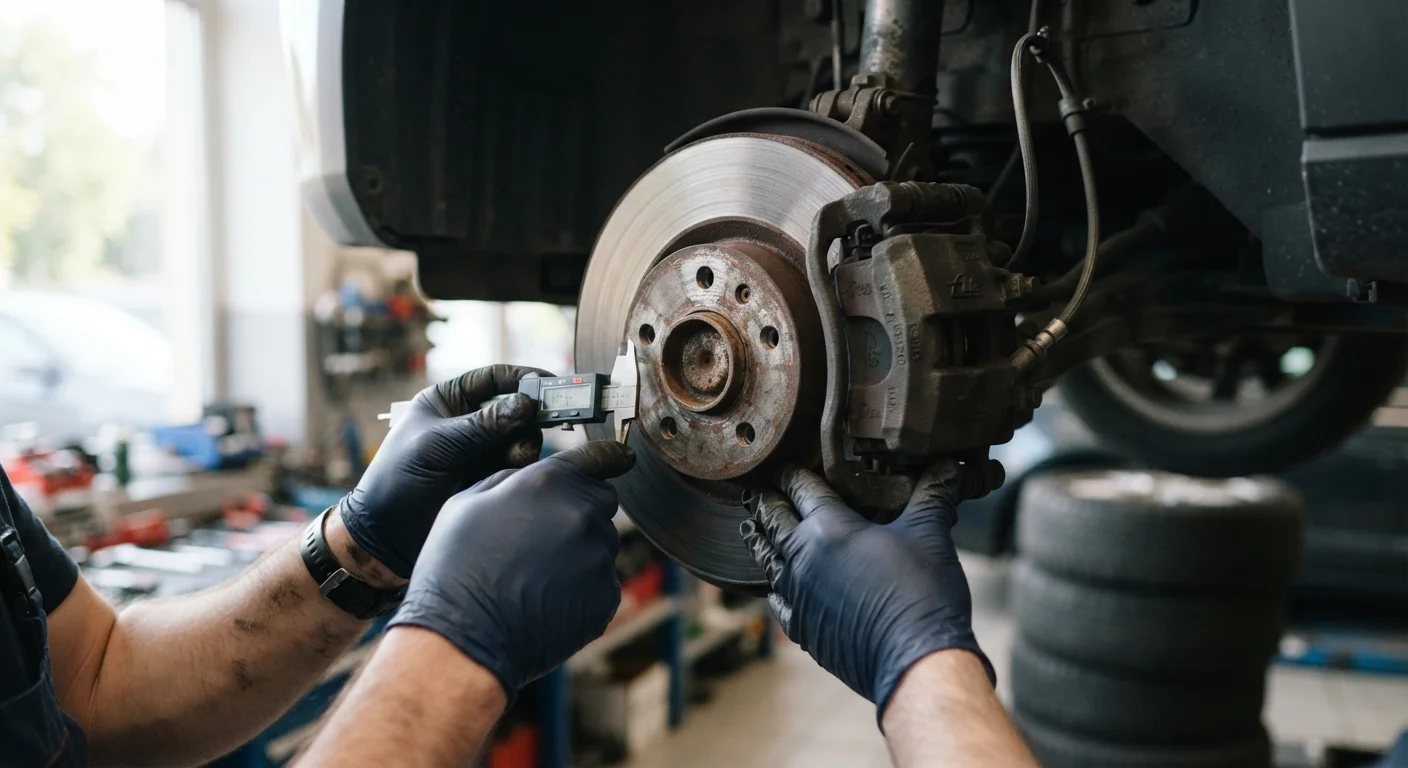
Photo: AnswersSquad.com | Explore Insightful Blogs editorial
Key Takeaways
- Squealing, grinding, vibration, or a soft pedal are all warning signs that brakes need professional inspection.
- Brake pads typically need replacement every 25,000-65,000 miles, depending on driving habits and pad material.
- Brake fluid should be checked regularly and replaced according to your owner's manual - usually every two years.
- Catching brake wear early almost always costs less than waiting until rotors or calipers are damaged.
- Never ignore brake warning lights on your dashboard - they signal a real issue, not a glitch.
How Your Brakes Actually Work
When you press the brake pedal, you're activating a hydraulic system - meaning force is transmitted through liquid, not mechanical cables alone. Pressurized brake fluid travels through lines to each wheel, pushing a caliper to clamp brake pads against a spinning rotor. Friction between the pads and rotor converts your vehicle's momentum into heat, slowing the car.
The key components you need to know:
- Brake pads: The consumable friction material that clamps the rotor. These wear down gradually and need periodic replacement.
- Rotors: The metal discs attached to each wheel. They can warp or develop grooves if pads are allowed to wear completely through.
- Calipers: The clamps that hold the pads and squeeze them against the rotor. A stuck or leaking caliper is a serious safety concern.
- Brake fluid: The hydraulic fluid that transmits your pedal pressure. It degrades over time and absorbs moisture, reducing effectiveness.
Understanding this chain helps you recognize what each warning sign actually points to - making you a more informed conversation partner when you visit a mechanic.
Warning Signs You Should Never Ignore
Your brakes communicate clearly when something is wrong. The challenge is knowing which sounds and sensations are normal and which require action.
25,000-65,000 mi
Typical brake pad replacement interval
The range varies widely based on pad material (organic, semi-metallic, ceramic), driving environment, and braking habits - city driving wears pads faster than highway driving.
~2 years
Common brake fluid replacement interval
Many vehicle manufacturers recommend replacing brake fluid every two years regardless of mileage, because the fluid absorbs moisture over time, which lowers its boiling point.
3-4 mm
Pad thickness at which replacement is typically advised
Most mechanics recommend replacing pads before they wear below 3-4 mm; pads that reach 2 mm or less are considered unsafe in most professional guidelines.
Sounds
- Squealing: A high-pitched squeal on every stop usually means your wear indicators are active - your pads are getting thin. Have them inspected promptly.
- Grinding: A harsh grinding or metal-on-metal sound typically means pads have worn through completely. The caliper or backing plate is now contacting the rotor directly. Stop driving and get the vehicle inspected - rotor damage may already be occurring.
- Scraping after rain: Light scraping or a brief squeal after a wet overnight is usually surface rust on the rotor clearing off. This is normal and fades quickly.
Feel and Behavior
- Soft or spongy pedal: If the pedal sinks unusually far before braking engages, it may signal air in the brake lines or low brake fluid. Either requires immediate professional attention.
- Vibration or pulsing: A pedal or steering wheel that vibrates during braking often points to warped rotors.
- Pulling to one side: Uneven braking force - often from a stuck caliper or uneven pad wear - causes the car to drift during stops.
Dashboard warning lights related to brakes should also never be dismissed. A lit brake warning light can indicate low fluid, a parking brake left engaged, or a more serious system fault.
Simple Habits That Keep Brakes Healthy Longer
Good braking habits are among the most effective - and free - forms of brake maintenance. Smooth, gradual stops instead of last-second hard braking significantly reduces heat buildup and pad wear over time.
The Easiest Brake Habit to Build
Beyond driving style, a few straightforward checks can catch problems early:
- Check brake fluid regularly. Look at the reservoir under the hood (your owner's manual shows the location). Fluid should be between the MIN and MAX lines and appear light yellow or clear. Dark or cloudy fluid may need replacement. Follow your manufacturer's interval - commonly every two years.
- Do a visual pad inspection. Looking through your wheel spokes, you can often see the pad pressed against the rotor. Most mechanics recommend replacement when thickness falls below 3-4 mm. If you can't tell, schedule an inspection.
- Avoid riding the brakes downhill. Sustained light pressure on long descents builds excessive heat. Instead, use engine braking - shift to a lower gear or ease off the accelerator - and apply brakes in controlled intervals.
- Get brakes inspected at tire rotations. Most shops check brake condition when rotating tires, typically every 5,000-7,500 miles. This catches wear before it becomes a safety issue or an expensive rotor replacement.
Routine brake care fits naturally into the broader goal of building consistent maintenance habits - small, regular checks that prevent large, sudden bills.
What Brake Work Typically Involves - and When to See a Mechanic
Some car maintenance tasks are genuinely suited to confident DIYers; brake work generally is not. Because brakes are a primary safety system, errors in installation - incorrect torque, contaminated pads, a misaligned caliper - can have serious consequences. Our guide on DIY versus professional maintenance covers where that line typically falls.
When you visit a mechanic for brake service, they will typically:
- Measure pad thickness on all four wheels
- Check rotor thickness and surface condition (rotors must meet a minimum thickness specification to be safe)
- Inspect caliper function and brake lines for leaks
- Test brake fluid condition
Pad replacement alone is the most common service. If rotors are worn below spec or badly scored, they'll need resurfacing or replacement - which adds cost. This is why catching wear early, while only pads need replacing, is consistently cheaper than waiting. For context on keeping these costs manageable, see our overview of controlling car costs on a budget.
This article is for general informational and educational purposes only. Brake systems are safety-critical components. Always consult a qualified, licensed mechanic for inspection, diagnosis, and repair of your vehicle's brakes.
Frequently Asked Questions
The content provided on our blog site traverses numerous categories, offering readers valuable and practical information. Readers can use the editorial team’s research and data to gain more insights into their topics of interest. However, they are requested not to treat the articles as conclusive. The website team cannot be held responsible for differences in data or inaccuracies found across other platforms. Please also note that the site might also miss out on various schemes and offers available that the readers may find more beneficial than the ones we cover.