
Car Fluid Types and What Each One Does

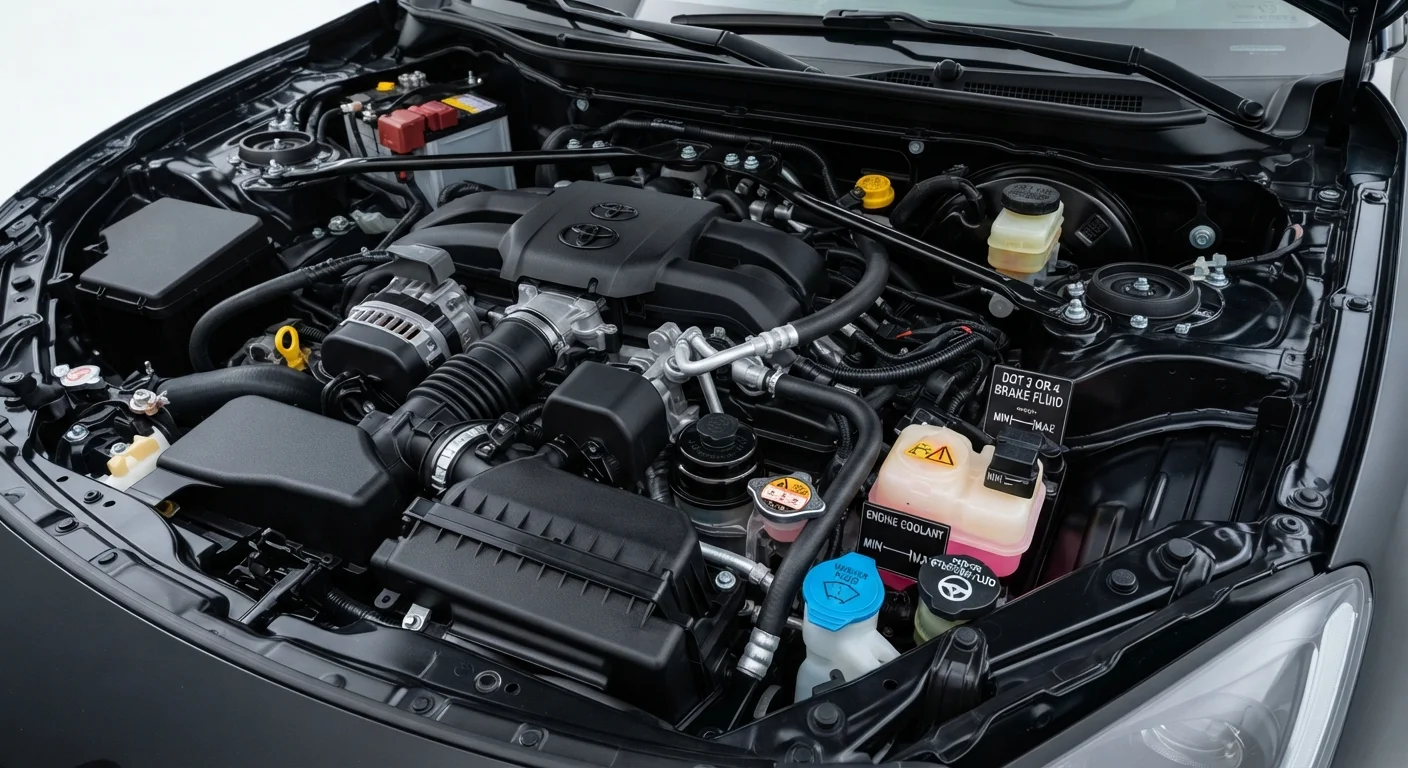
Photo: AnswersSquad.com | Explore Insightful Blogs editorial
Why Vehicle Fluids Matter
Your car relies on a network of fluids to keep its mechanical systems running safely and efficiently. When any one of these drops too low or degrades over time, it can quietly cause damage that leads to expensive repairs. The good news: checking fluids takes just a few minutes, and catching a problem early is almost always cheaper than fixing the consequences of ignoring it.
This guide covers the six fluids found in most passenger vehicles, what each one does, and how to check its level. For a broader look at ongoing vehicle expenses, see the Car Costs & Insurance hub for context on where maintenance fits into your budget.
The Six Essential Fluids Explained
Engine Oil
Engine oil lubricates the hundreds of moving metal parts inside your engine, reducing friction and carrying heat away from critical components. Without adequate oil, metal grinds against metal and your engine can seize within minutes. Check the level using the dipstick - typically a brightly colored loop near the engine center - with the engine off and the car on level ground. Oil degrades over time regardless of mileage, so follow your manufacturer's service interval. For a deeper look, see our guide on engine oil grades and change intervals.
Coolant (Antifreeze)
Coolant circulates through the engine and radiator to regulate temperature, preventing both overheating in summer and freezing in winter. It's stored in a translucent plastic reservoir near the radiator. Check the level only when the engine is cold - opening a hot cooling system is a burn hazard. The fluid should sit between the MIN and MAX markers.
Brake Fluid
Brake fluid transmits the force from your foot on the pedal through the hydraulic system to the brakes at each wheel. It's hygroscopic, meaning it absorbs moisture from the air over time, which lowers its boiling point and reduces braking performance. The reservoir is usually a small translucent container near the firewall on the driver's side. If the level is consistently low, have a mechanic check for a leak - don't simply top it off and ignore the underlying cause. Learn more about brake system health in our brake maintenance basics guide.
Transmission Fluid
Transmission fluid lubricates the gears and clutch components in your gearbox, enabling smooth gear changes. In automatic transmissions it also acts as a hydraulic fluid. Some vehicles have a transmission dipstick; others require a mechanic to check the level using a plug under the car. Discolored or burnt-smelling fluid is a sign it needs changing.
Power Steering Fluid
This fluid powers the hydraulic assist that makes turning your steering wheel easier, particularly at low speeds. Many newer vehicles use electric power steering and don't require this fluid at all - check your owner's manual. If your car does have it, the reservoir is usually labeled and located near the steering column. Low fluid often causes a whining noise when turning.
Windshield Washer Fluid
The only fluid on this list that has no mechanical role in the drivetrain, washer fluid is nonetheless important for visibility and safety. It's stored in a large plastic tank, often marked with a windshield symbol. Use a purpose-made washer fluid rather than plain water, which can freeze in cold weather and promote bacterial growth in the lines.
Electric and Hybrid Vehicles Have Different Needs
Building a Simple Fluid-Check Habit
Most manufacturers recommend checking engine oil and coolant monthly, and inspecting other fluids every three months or before long drives. Pair your checks with a full pre-trip inspection - our pre-drive vehicle checklist walks you through everything to look at before hitting the road.
A few practical tips to build the habit: keep a pair of disposable gloves and a clean rag in your trunk, check fluids when the engine is cold (usually first thing in the morning), and consult your owner's manual for the correct fluid specifications - using the wrong type can cause as much harm as running low. You may also want to separate fact from fiction by reading about common car maintenance myths that trip up new owners.
This article provides general vehicle information for educational purposes only. Always refer to your vehicle's owner's manual and consult a qualified mechanic for advice specific to your car.
The content provided on our blog site traverses numerous categories, offering readers valuable and practical information. Readers can use the editorial team’s research and data to gain more insights into their topics of interest. However, they are requested not to treat the articles as conclusive. The website team cannot be held responsible for differences in data or inaccuracies found across other platforms. Please also note that the site might also miss out on various schemes and offers available that the readers may find more beneficial than the ones we cover.