
Engine Oil Grades, Change Intervals, and Why They Matter

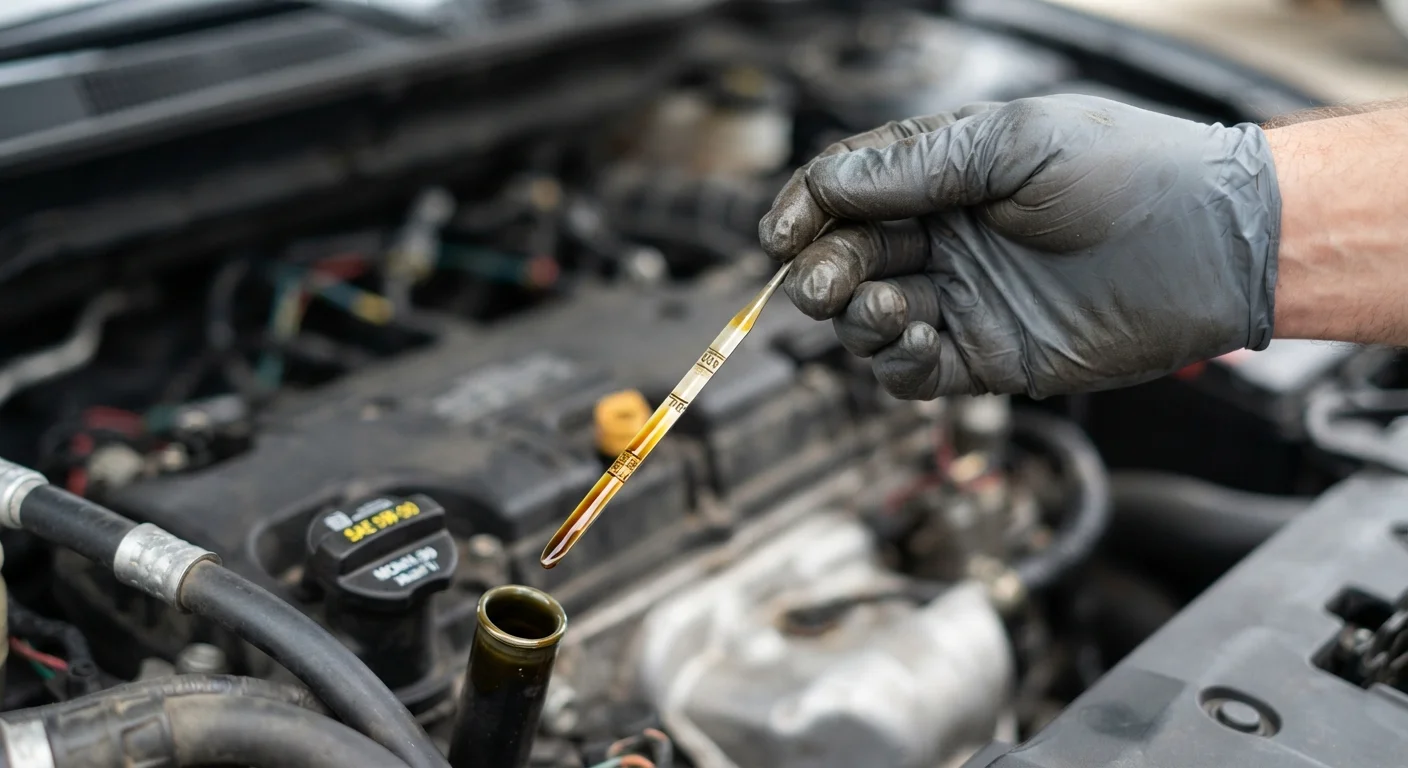
Photo: AnswersSquad.com | Explore Insightful Blogs editorial
Key Takeaways
- The numbers in an oil grade (e.g., 5W-30) describe how the oil flows in cold and hot conditions.
- Your owner's manual specifies the exact oil grade your engine requires - follow it.
- Modern vehicles typically need an oil change every 5,000 to 10,000 miles, not the old 3,000-mile rule.
- Skipping or delaying oil changes is one of the leading causes of premature engine wear.
- Oil type (synthetic vs. conventional) matters as much as the grade - they are not interchangeable for every engine.
Breaking Down the Numbers on the Bottle
When you look at a bottle of motor oil, you'll see a code like 5W-30 or 10W-40. These aren't arbitrary - they follow a grading system developed by the Society of Automotive Engineers (SAE) to tell you exactly how the oil behaves under different temperature conditions.
The number before the W (which stands for Winter) rates the oil's ability to flow in cold temperatures. A lower number - like 0W or 5W - means the oil stays thinner at low temperatures, allowing it to circulate through your engine quickly on a cold start. This matters because most engine wear happens in those first seconds before oil reaches all moving parts.
The number after the W rates the oil's thickness at your engine's normal operating temperature (around 212°F). A higher number means thicker oil at heat. So a 10W-40 is thicker at operating temperature than a 10W-30, which can matter for older or high-mileage engines that may benefit from a slightly thicker film of lubrication.
Oil Grade and Oil Type Are Different Things
For a full picture of how engine oil fits alongside other fluids your car depends on, see our overview of car fluid types and what each one does.
Why the Right Grade for Your Engine Matters
Your vehicle's manufacturer engineers the engine to work with a specific oil viscosity. Using the wrong grade - even by one step - can affect oil pressure, fuel efficiency, and how well engine parts are coated during operation. This isn't a matter of brand preference; it's a mechanical specification.
The single most reliable source for your correct oil grade is your owner's manual. It will list the recommended grade and often note whether your climate or driving conditions call for a seasonal adjustment. Some late-model vehicles also display this in the instrument cluster or a dedicated app.
Always Start With Your Owner's Manual
It's also worth understanding the difference between oil types. Choosing between synthetic and conventional oil isn't just a marketing choice - it affects change intervals and engine protection. Our companion guide on synthetic vs. conventional motor oil explains the practical trade-offs for everyday drivers.
How Often Should You Actually Change Your Oil?
The old rule of thumb - change your oil every 3,000 miles - is largely outdated for modern vehicles. It originated in an era of older engine designs and conventional oil formulations. Today, most vehicles using full synthetic oil can safely go 7,500 to 10,000 miles between changes, and some manufacturers specify even longer intervals.
That said, your real-world interval depends on several factors:
- Oil type: Synthetic oil generally lasts longer than conventional.
- Driving conditions: Frequent short trips, stop-and-go traffic, towing, or extreme temperatures are classified as severe driving - these shorten the effective life of your oil.
- Vehicle age and engine condition: Older or high-mileage engines may require more frequent changes.
Many newer vehicles include an oil life monitoring system that calculates when a change is needed based on actual driving data - not just mileage. If your car has one, use it. If it doesn't, follow the interval in your owner's manual and consider a slightly shorter interval if your driving is mostly short urban trips.
For more context on how maintenance habits connect to the broader costs of owning a car, see our Car Costs & Insurance hub.
What Happens When You Push It Too Long
Engine oil doesn't just lubricate - it cleans, cools, and protects. Over time, it degrades: additives break down, it accumulates combustion byproducts, and its viscosity can change. Once oil is no longer doing its job effectively, friction between metal engine components increases, heat builds up, and wear accelerates.
In severe cases, degraded oil can form sludge - a thick, gel-like deposit that clogs oil passages and starves parts of lubrication entirely. Repairing sludge damage can mean a partial engine rebuild or full replacement, which represents a cost many times greater than years' worth of routine oil changes.
The chain of damage that follows a missed oil change is more mechanical - and faster-moving - than most new owners expect. What happens inside your engine when you skip an oil change walks through that process in detail.
~$25-$75
Typical cost of a routine oil change
A standard oil change is one of the least expensive routine maintenance tasks, while engine repairs from neglect can run into thousands of dollars.
7,500-10,000 mi
Typical synthetic oil change interval
Many modern manufacturers now specify extended intervals for full synthetic oil, replacing the older 3,000-mile guideline.
5 seconds
Time for oil to reach all engine parts at startup
Cold-weather viscosity ratings matter because oil must circulate quickly at startup, when friction is highest and most engine wear occurs.
This article provides general educational information about engine oil and vehicle maintenance. It is not a substitute for the specific guidance in your vehicle's owner's manual or advice from a qualified mechanic.
Frequently Asked Questions
The content provided on our blog site traverses numerous categories, offering readers valuable and practical information. Readers can use the editorial team’s research and data to gain more insights into their topics of interest. However, they are requested not to treat the articles as conclusive. The website team cannot be held responsible for differences in data or inaccuracies found across other platforms. Please also note that the site might also miss out on various schemes and offers available that the readers may find more beneficial than the ones we cover.