
Before Every Long Road Trip: A Pre-Drive Vehicle Check

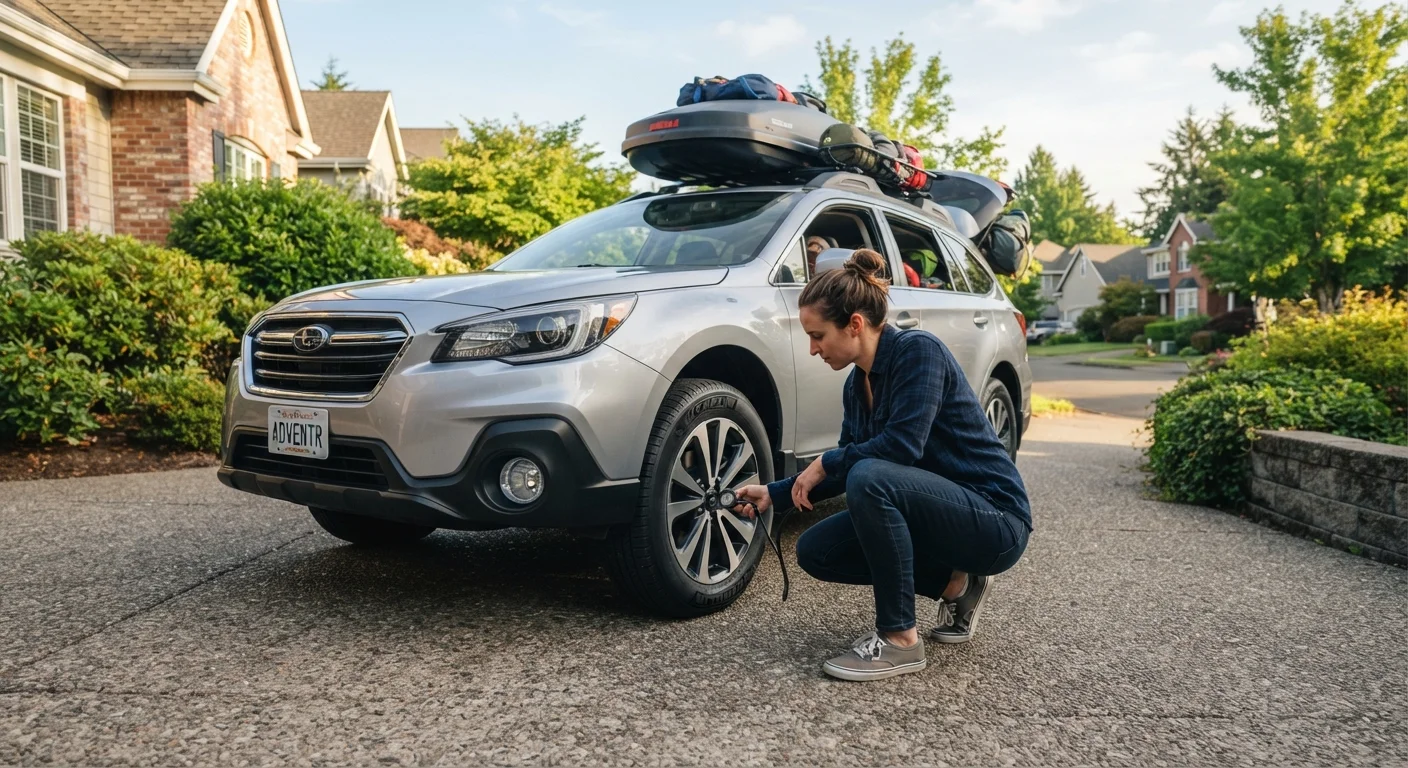
Photo: AnswersSquad.com | Explore Insightful Blogs editorial
Key Takeaways
- Checking tire pressure and tread before a long trip significantly reduces blowout risk.
- Fluid levels - oil, coolant, brake fluid - should be verified every time before a major drive.
- All exterior lights must be functioning before you leave, including turn signals and brake lights.
- A working spare tire and emergency kit are non-negotiable safety items for any road trip.
- Catching small issues at home is almost always cheaper than dealing with a breakdown on the road.
Why a Pre-Trip Check Matters More Than You Think
Most breakdowns on long road trips aren't sudden mysteries - they're the result of small, easily-spotted problems that went unnoticed before departure. A worn wiper blade, low coolant, or an underinflated tire can turn a straightforward drive into a stressful, expensive ordeal.
The good news: you don't need mechanical expertise to run a solid pre-trip inspection. This checklist is designed for everyday drivers - including first-time car owners - who want to build a simple habit that protects both their safety and their wallet. Think of it as the pre-flight checklist pilots use: routine, fast, and genuinely protective.
If your car is showing any dashboard warning symbols when you turn the key, address those before your trip. Our guide on what your dashboard warning lights mean breaks down the most common alerts in plain language. Once you're light-free, work through the steps below.
Tire Pressure Gauge
Accurately reads tire PSI so you can inflate to the correct level before departure.
Owner's Manual
Specifies correct fluid types, tire pressure ratings, and maintenance intervals for your specific vehicle.
Portable Jump Starter
Allows you to restart a dead battery without needing another vehicle - useful in remote areas.
Flashlight or Headlamp
Helps you inspect under the hood or change a tire safely in low-light conditions.
Tread Depth Coin (Quarter)
A quick, no-cost method to check whether your tire tread is still within a safe range.
What You'll Be Checking - and How to Do It
The checklist below is organized into logical groups so you can move efficiently around the car. Start outside, work your way under the hood, then finish inside. If you find something that looks wrong and you're unsure whether it's safe to drive, consult a qualified mechanic before setting out - not after.
Tires
Fluids
Lights & Visibility
Under the Hood
Brakes & Steering
Emergency Preparedness
Never Ignore a Brake or Steering Warning
For first-time buyers still in the research phase, this mindset of systematic checking applies equally when evaluating a used car. Our article on what to inspect on a test drive applies many of the same principles before you commit to a purchase.
Building the Habit for Every Trip
The goal isn't to become a mechanic - it's to become a driver who rarely gets stranded. Running this checklist once takes 20 to 45 minutes the first time; with practice, most items take under 15 minutes total. Consider keeping a small notepad or phone note where you log the date, mileage, and anything you topped up or noticed. That record becomes invaluable when you're trying to remember when you last checked the oil or rotated the tires.
Road trips often involve more than just the drive itself. If you're also planning accommodation, managing a travel budget, or coordinating with others, the pre-trip planning checklist for first-time travelers covers those logistics in detail and pairs well with this vehicle-focused guide.
Taking care of your car before problems develop is one of the most practical financial habits you can build as a young adult. Preventive maintenance consistently costs less than reactive repairs - and it keeps you in control of when and how you spend money on your vehicle.
This article provides general vehicle maintenance information for educational purposes only. It is not a substitute for advice from a certified mechanic. Always consult a qualified professional if you're unsure about the safety or condition of your vehicle.
The content provided on our blog site traverses numerous categories, offering readers valuable and practical information. Readers can use the editorial team’s research and data to gain more insights into their topics of interest. However, they are requested not to treat the articles as conclusive. The website team cannot be held responsible for differences in data or inaccuracies found across other platforms. Please also note that the site might also miss out on various schemes and offers available that the readers may find more beneficial than the ones we cover.