
Fitness & Movement

Before You Start a New Fitness Programme: A Pre-Start Checklist

Before You Start a New Fitness Programme: A Pre-Start Checklist

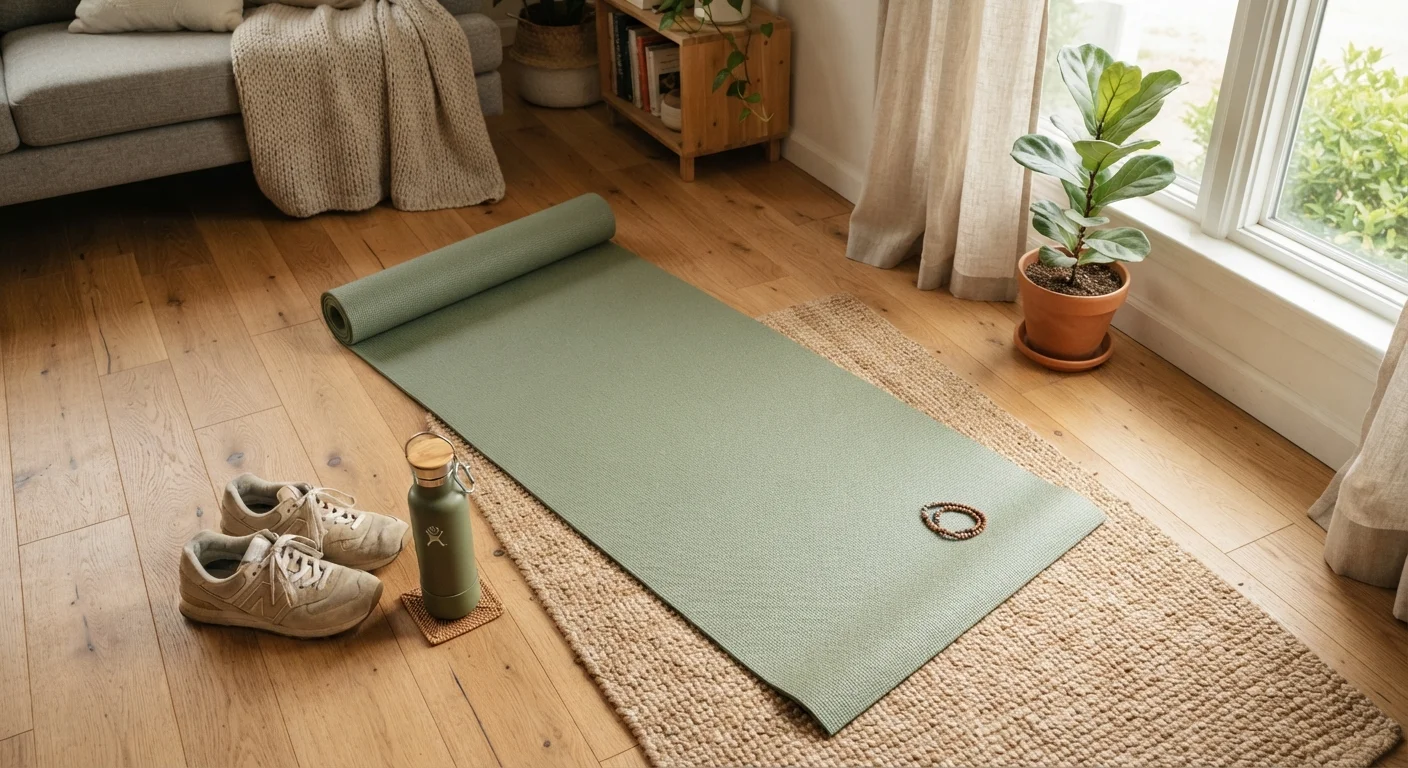
Photo: AnswersSquad.com | Explore Insightful Blogs editorial

Set yourself up for a stronger start. A practical checklist covering health considerations, goals, scheduling, and equipment basics.

Key Takeaways

  • Checking in with a healthcare provider before starting is especially important if you have any existing health conditions.
  • Concrete, specific goals are easier to stick with than vague intentions like 'get fit'.
  • You don't need a gym membership or expensive equipment to begin moving consistently.
  • Building exercise into your existing schedule — rather than around it — dramatically improves follow-through.
  • Recovery, sleep, and nutrition are part of any effective fitness plan, not afterthoughts.

Why a Pre-Start Checklist Actually Matters

Most fitness programmes don't fail because the workouts are too hard. They fail in the first two weeks — before any real habit has a chance to form — because the setup was rushed. People skip straight to the exercise without thinking through the health context, realistic schedule, or basic logistics that keep someone going past the initial motivation spike.

This checklist is designed to slow that process down, just enough. It covers the practical groundwork: health considerations, goal clarity, scheduling, and basic equipment and environment. Working through it should take under an hour, and it's worth every minute.

If you're approaching other big first-time commitments with the same care, you might also find our pre-course commitment checklist helpful — the readiness questions are surprisingly similar.

Health Considerations

Check in with your doctor or a qualified healthcare provider if you have any existing health conditions, are pregnant, are returning from injury or illness, or haven't been physically active for an extended period. Must
Note any medications you take that may affect heart rate, blood pressure, or exercise tolerance, and discuss implications with your prescribing provider. Must
Identify any physical limitations — such as joint pain, back issues, or balance concerns — so you can choose activities and intensity levels that work with your body rather than against it. Must
Complete a simple PAR-Q (Physical Activity Readiness Questionnaire), a short self-screening tool widely used to flag potential exercise risks before starting. Should

Goal Clarity

Write down one primary reason you want to start moving more — being specific (e.g. "reduce lower back tension" or "feel less winded climbing stairs") is more useful than a general goal like "get fit." Must
Set a timeframe for a realistic early milestone — aim for something achievable in four to six weeks to maintain momentum. Should
Decide whether your focus is cardiovascular endurance, strength, flexibility, stress reduction, or a mix — this shapes which types of activity to prioritise. Should
Consider tracking progress using a simple metric (e.g. how many minutes you can walk comfortably, or how many push-ups you can do with good form) so you can notice real improvement over time. Nice to have

Scheduling and Commitment

Look at your actual weekly calendar and identify at least two or three time slots — even 20 minutes each — that are genuinely available for movement. Must
Decide whether morning, midday, or evening works best for your energy levels and obligations, rather than defaulting to a time that sounds good in theory. Must
Build in at least one or two rest or active recovery days per week from the start — rest is part of the programme, not a break from it. Must
Tell a friend, partner, or family member about your plan — social accountability, even light and informal, meaningfully improves follow-through. Nice to have

Equipment and Environment

Identify where you'll exercise — at home, outdoors, at a gym, or a combination — and confirm that space is reliably accessible. Must
Gather the basics: supportive footwear appropriate to your activity, comfortable clothing that allows free movement, and a water bottle. Must
Check whether the activity you've chosen requires any additional equipment (e.g. resistance bands, a mat, weights) and confirm you have access before your first session. Should
Review your nutrition and sleep habits at a basic level — aim for adequate hydration and consistent sleep, as both directly affect energy and recovery. Should
Download or bookmark a beginner-friendly workout plan or app that matches your chosen activity and schedule, so you start with structure rather than guessing. Nice to have
Set a phone reminder or calendar block for your first two scheduled sessions to bridge the gap between intention and action. Nice to have

Getting the Most Out of This Checklist

Work through each group in order — they're sequenced so that earlier decisions inform later ones. You don't need to complete every "nice to have" item before starting, but aim to tick off every "must" before your first session.

Required

Physical Activity Readiness Questionnaire (PAR-Q)

A short self-screening form used to identify whether you should consult a doctor before beginning exercise — freely available from public health organisations.

Required

Weekly calendar or planner

Used to map out realistic time slots for exercise sessions based on your actual schedule.

Optional

Notebook or notes app

For recording your goals, initial fitness baseline, and progress notes over the first few weeks.

Required

Supportive athletic footwear

Appropriate shoes for your chosen activity reduce injury risk and improve comfort during movement.

Optional

Fitness tracking app or simple log

Helps you monitor consistency and notice gradual improvement, even if you're just recording minutes of activity.

One note on vocabulary: if you encounter fitness terms in this checklist or in programmes you're researching that aren't familiar, our beginner's fitness glossary breaks down the most common ones in plain language.

When to See a Doctor First

If you experience chest pain or discomfort, shortness of breath at rest, dizziness, or heart palpitations — or if you have a diagnosed heart condition, diabetes, or another chronic illness — speak with a healthcare provider before starting any new exercise programme. This is not a formality; it's a meaningful safety step. The same applies if you're recovering from surgery or a significant injury.

This article is for general informational purposes only and is not a substitute for personalised medical advice. If you have any health concerns or underlying conditions, please consult a qualified healthcare professional before beginning a new exercise programme.

Everyday Health Guide Editorial Team

AnswersSquad.com | Explore Insightful Blogs

Everyday Health Guide Editorial Team is the collective byline for our editorial team and contributor network. Articles published under this byline or an editorial pen name are researched, written, and reviewed according to our editorial standards for clarity, consistency, and independence before publication.

Nutrition BasicsFitness & MovementMental Wellness
View author profile

The content provided on our blog site traverses numerous categories, offering readers valuable and practical information. Readers can use the editorial team’s research and data to gain more insights into their topics of interest. However, they are requested not to treat the articles as conclusive. The website team cannot be held responsible for differences in data or inaccuracies found across other platforms. Please also note that the site might also miss out on various schemes and offers available that the readers may find more beneficial than the ones we cover.