
Mental Health vs. Mental Illness: Understanding the Difference

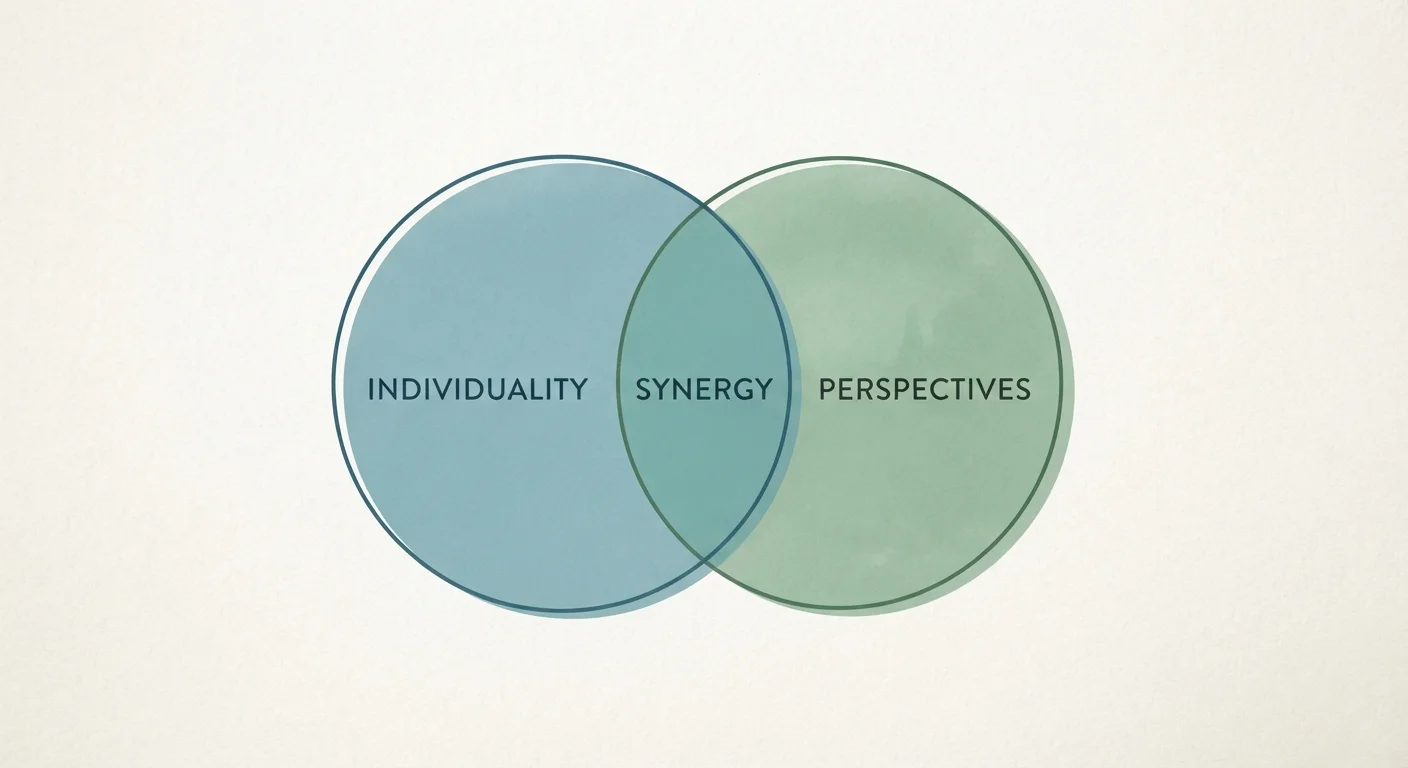
Photo: AnswersSquad.com | Explore Insightful Blogs editorial
Key Takeaways
- Everyone has mental health - it's a continuous spectrum, not a binary state.
- Mental illness refers to specific, diagnosable conditions; mental health is universal.
- You can have poor mental health without a mental illness diagnosis, and vice versa.
- The two concepts overlap but are not interchangeable - precision in language reduces stigma.
- Both benefit from attention, support, and professional guidance when needed.
Why These Two Terms Get Confused
"Mental health" and "mental illness" are often used as if they mean the same thing - or worse, as if they're opposites. Neither is quite right. The confusion is understandable: both involve the mind, both carry stigma, and popular media tends to collapse them together. But using them interchangeably can obscure real meaning and make conversations about well-being harder than they need to be.
Think of physical health as a parallel. Everyone has physical health - it fluctuates, it responds to sleep and stress and diet, and it exists on a spectrum from thriving to struggling. A physical illness is something more specific: a diagnosable condition like diabetes or asthma that requires clinical attention. You can have poor physical health without a diagnosable illness. The same logic applies to mental health and mental illness.
Getting this distinction right isn't just semantic. It shapes how we think about our own experiences, how we talk to others, and whether we seek help. For a broader look at how language shapes these conversations, the plain-language guide to mental health terms is a useful companion resource.
Defining Mental Health
Mental health refers to your overall psychological, emotional, and social well-being. It's not a fixed state - it shifts depending on life circumstances, relationships, sleep, workload, and dozens of other factors. The World Health Organization describes mental health as a state in which a person can cope with normal stresses of life, work productively, and contribute to their community. That framing positions mental health as dynamic and universal - not something reserved for people in crisis.
This is important: everyone has mental health, just as everyone has physical health. Good mental health doesn't mean feeling happy all the time. It means having enough internal resources to navigate difficulty, maintain relationships, and function in ways that matter to you. For a deeper look at what well-being actually involves, emotional well-being and what it really means explores the nuance beyond simple happiness.
| Criterion | Mental Health | Mental Illness |
|---|---|---|
| Who has it | Everyone, at all times | People with a clinical diagnosis |
| Nature | A continuous spectrum | A diagnosable condition |
| Requires diagnosis? | No | Yes - by a qualified professional |
| Can fluctuate? | Yes - day to day, year to year | Yes - symptoms can improve or worsen |
| Addressed by | Self-care, lifestyle, support systems | Professional care, therapy, treatment |
| Overlap possible? | Yes - poor mental health without illness | Yes - illness with good overall functioning |
Defining Mental Illness
Mental illness - sometimes called a mental health disorder - refers to a clinically recognized pattern of symptoms that significantly affects how a person thinks, feels, or behaves, and that interferes with daily functioning. Examples include depression, anxiety disorders, bipolar disorder, schizophrenia, and PTSD, among many others. Diagnoses are made by qualified healthcare professionals using established clinical criteria.
A critical point: having a mental illness doesn't mean someone's mental health is always poor, and struggling with mental health doesn't mean someone has a mental illness. A person managing a well-treated anxiety disorder may function very well day-to-day. Conversely, someone going through a divorce or job loss may experience real psychological suffering without meeting the criteria for any diagnosis.
Diagnosis Is a Starting Point, Not a Label
If you're trying to distinguish anxiety from everyday stress - a related but different question - the stress vs. anxiety breakdown explains how those two experiences differ and why it matters.
Why the Distinction Matters in Practice
When we conflate mental health with mental illness, two problems tend to follow. First, people with diagnosable conditions may feel their experience is trivialized - reduced to something everyone goes through. Second, people with ordinary mental health struggles may feel unnecessarily pathologized, as if needing a hard day's rest means something is clinically wrong with them.
Language precision reduces stigma on both sides. Saying "I'm struggling with my mental health" is honest and human. Saying "I have a mental illness" signals something more specific - a clinical reality that warrants appropriate care and understanding. Neither statement is shameful; both deserve to be used accurately.
Understanding how mental wellness shifts across different life circumstances and stages is part of understanding mental wellness across the full spectrum. The distinction between health and illness is just one piece of that larger picture.
~1 in 5
U.S. adults experience mental illness annually
According to the National Institute of Mental Health, approximately one in five U.S. adults lives with a mental illness in any given year.
100%
Of people have mental health
Mental health is universal - every person has it and it shifts throughout life, regardless of whether they ever receive a clinical diagnosis.
This article is for general informational purposes only and does not constitute medical advice. If you are experiencing symptoms that concern you, please speak with a qualified healthcare professional.
The content provided on our blog site traverses numerous categories, offering readers valuable and practical information. Readers can use the editorial team’s research and data to gain more insights into their topics of interest. However, they are requested not to treat the articles as conclusive. The website team cannot be held responsible for differences in data or inaccuracies found across other platforms. Please also note that the site might also miss out on various schemes and offers available that the readers may find more beneficial than the ones we cover.