
Nutrition Myths That Won't Seem to Die

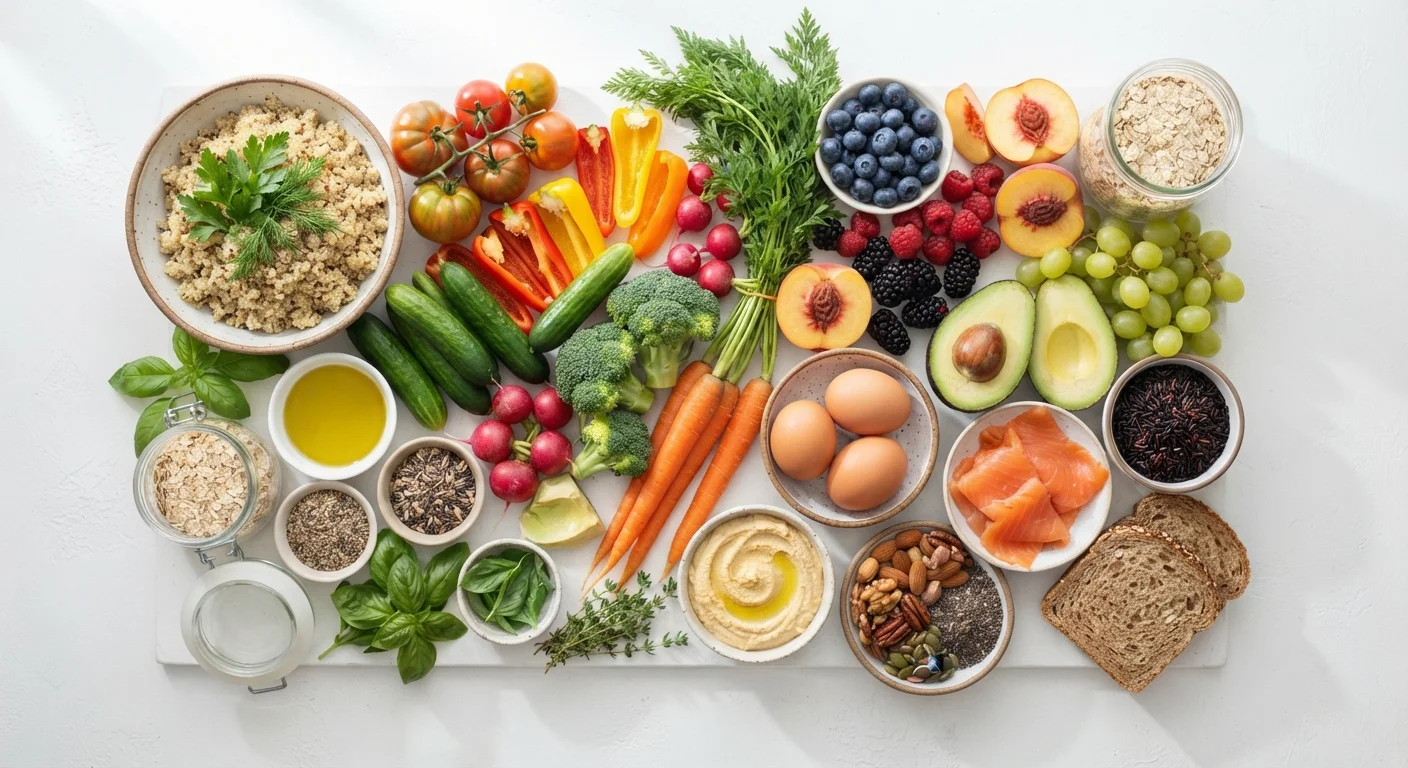
Photo: AnswersSquad.com | Explore Insightful Blogs editorial
Key Takeaways
- Dietary fat does not directly cause body fat gain - total calorie balance and food quality matter more.
- The 'eight glasses of water a day' rule has no firm scientific basis; hydration needs vary by person.
- Skipping meals rarely leads to faster weight loss and can disrupt hunger and metabolism signals.
- Carbohydrates are not inherently fattening - the type and quantity consumed is what matters.
- Eating late at night doesn't automatically cause weight gain; total daily intake is the key factor.
Why Nutrition Myths Are So Sticky
Nutrition advice travels fast and sticks around long after the evidence moves on. Part of the reason is that many myths contain a grain of truth - just stretched, oversimplified, or applied to the wrong context. Others started as reasonable rules of thumb that got repeated until they sounded like scientific law.
The result is a lot of people cutting out whole food groups, drinking water on a rigid schedule, or feeling guilty about eating after 8 p.m. - none of which is necessarily grounded in how the body actually works. This article addresses the most persistent misconceptions so you can make decisions based on how nutrition science actually holds up.
If you want to go deeper on where most people quietly go wrong, common nutrition blind spots covers the gaps that even health-conscious eaters tend to miss.
Myth
Eating fat makes you fat.
Fact
Dietary fat does not directly convert to body fat. Weight change is driven by overall calorie balance, not fat consumption alone.
This myth gained traction during the low-fat diet era of the 1980s and 1990s, when fat was cast as the dietary villain. In reality, fat is an essential macronutrient. It supports hormone production, helps absorb fat-soluble vitamins (A, D, E, and K), and keeps you feeling full. Unsaturated fats - found in foods like avocados, olive oil, and nuts - are associated with heart health in a substantial body of research. Even saturated fat, which warrants moderation, doesn't behave the way the old myth suggests. Excess calories from any source - fat, carbohydrates, or protein - contribute to weight gain. Fat is not uniquely to blame.
Myth
You need to drink eight glasses of water every day.
Fact
There is no universal eight-glass rule. Hydration needs vary based on body size, activity, climate, and diet.
The "8x8" rule (eight 8-ounce glasses per day) is widely cited but has no strong scientific foundation as a one-size-fits-all prescription. The figure may have originated from a 1945 U.S. dietary guideline that was largely misquoted - the original note included water from food sources. Much of your daily fluid intake comes from what you eat, especially fruits, vegetables, and other water-containing foods. Thirst is generally a reliable indicator for most healthy adults. Athletes, people in hot climates, and those with certain medical conditions do have elevated needs, but that's precisely why a blanket number doesn't serve everyone equally.
Myth
Carbohydrates are fattening and should be avoided.
Fact
Carbohydrates are the body's preferred energy source. Type, quality, and quantity matter far more than whether you eat them at all.
Carbohydrates became a dietary scapegoat in the same era that fat did. While very low-carbohydrate diets can lead to short-term weight loss for some people, the mechanism is calorie reduction - not something uniquely harmful about carbs themselves. Whole food sources of carbohydrates, including legumes, whole grains, fruits, and vegetables, are consistently associated with better health outcomes in large population studies. They also supply fibre, which most people don't get enough of. Dietary fibre plays a significant role in digestion, blood sugar regulation, and satiety. Refined carbohydrates - white bread, sugary drinks, heavily processed snacks - are worth moderating, but that's not the same as avoiding all carbohydrates.
Myth
Eating late at night causes weight gain.
Fact
The time you eat matters far less than what and how much you eat across the whole day.
Calories don't carry a clock. The body doesn't store food as fat more readily after a certain hour. What does happen is that late-night eating is often associated with mindless snacking on calorie-dense foods, which can push total daily intake higher - that's the actual driver. If your total calorie intake is appropriate for your needs, eating dinner at 9 p.m. won't cause weight gain on its own. Evening hunger can also be a signal that earlier meals weren't substantial enough - something worth examining if late-night eating feels compulsive. For more on how meal timing and composition affect how you feel, post-lunch energy crashes explores what meal structure actually does to energy levels.
Myth
Skipping meals is an effective way to lose weight.
Fact
Skipping meals can disrupt hunger-regulating hormones and often leads to larger portions and poorer food choices later in the day.
Deliberately skipping meals - particularly breakfast - is often framed as an easy calorie-cutting strategy. For some people following structured intermittent fasting protocols under guidance, controlled eating windows can be useful. But casually skipping meals without a plan tends to backfire: hunger hormones like ghrelin increase, satiety hormones decrease, and food choices later in the day tend to shift toward higher-calorie, lower-nutrient options. Regular, balanced meals help maintain steadier blood sugar and more consistent energy. The quality and composition of those meals matters more than the exact timing - which is something exercise myths share in common with nutrition myths: the simple-sounding rule often obscures a more nuanced reality.
What the Evidence Actually Supports
Sorting myth from fact isn't about following stricter rules - it's about building a more flexible, realistic picture of how food works. The body is adaptive. It doesn't punish you for eating dinner at 9 p.m. or consuming a carbohydrate. What it does respond to, over time, is overall dietary pattern: the variety, the quality, and the quantity of what you eat consistently.
~5%
Adults meeting daily fibre recommendations
Data from national dietary surveys consistently show that only around 5% of U.S. adults meet recommended daily fibre intake from food sources.
45-65%
Recommended calorie share from carbohydrates
The U.S. Dietary Guidelines recommend that carbohydrates make up 45-65% of total daily calorie intake for most adults.
1 in 3
Adults report skipping breakfast regularly
National Health Interview Survey data suggest roughly one in three U.S. adults regularly skips breakfast, often as an unplanned calorie-reduction strategy.
Understanding food labels is one practical way to move past myths and engage with what's actually in your food. Reading a nutrition label clearly gives you the tools to interpret the numbers without guesswork.
Hydration is another area where myths crowd out useful information. How much water you actually need depends on your body size, activity level, climate, and what else you're eating and drinking. For a fuller look at how fluids interact with nutrition, see hydration and nutrition.
General Information, Not Personal Advice
Nutrition isn't a test with right and wrong answers - it's a set of principles that work differently depending on the person. When in doubt about your specific situation, a registered dietitian is the right resource, not a trending headline.
This article is for general informational and educational purposes only and is not a substitute for professional medical or dietary advice. Consult a qualified healthcare provider for guidance specific to your health needs.
The content provided on our blog site traverses numerous categories, offering readers valuable and practical information. Readers can use the editorial team’s research and data to gain more insights into their topics of interest. However, they are requested not to treat the articles as conclusive. The website team cannot be held responsible for differences in data or inaccuracies found across other platforms. Please also note that the site might also miss out on various schemes and offers available that the readers may find more beneficial than the ones we cover.