
Reading a Nutrition Label Without Getting Lost

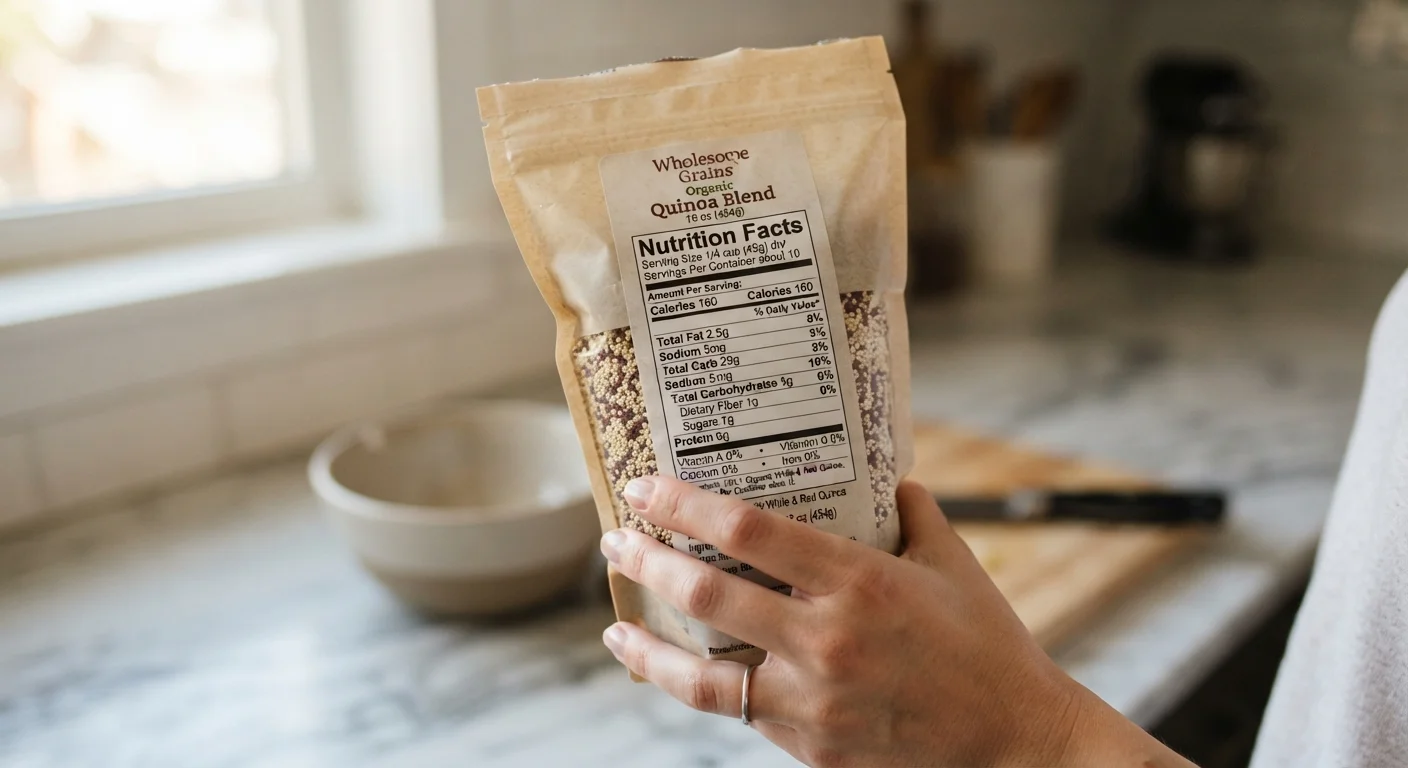
Photo: AnswersSquad.com | Explore Insightful Blogs editorial
Key Takeaways
- Serving size is the foundation of every other number on the label - check it first.
- The % Daily Value column tells you whether a nutrient amount is high or low at a glance.
- Saturated fat, sodium, and added sugars are the three numbers most worth watching regularly.
- Fiber and protein are nutrients most people need more of, not less.
- Ingredients are listed by weight - the first few tell you the most about what you're eating.
What the Label Is Actually Telling You
The Nutrition Facts label is a standardized format required on most packaged foods in the United States. The FDA last updated its design to make calorie counts larger and to separate "added sugars" from total sugars - a meaningful change that helps distinguish natural sugars (like those in milk) from sugars manufacturers stir in.
Before you read a single number, understand this: every figure on the label is tied to one serving size. If the package says a serving is 1 cup and you eat 2 cups, every number doubles. This is where most people lose the thread. The serving size isn't a recommendation - it's just the unit of measurement the label uses. Check it first, always.
If you're newer to thinking about nutrition overall, our introduction to balanced eating covers the core concepts that make label-reading more intuitive.
What you will need
Breaking Down the Numbers Section by Section
Once you have serving size locked in, the label moves through three broad areas: calories, macronutrients, and micronutrients. Here's how to think about each.
Calories
Calories measure total energy per serving. They matter - but they don't tell the whole story. Two foods with identical calorie counts can have very different effects on hunger, energy, and nutrition quality. For a fuller view of how energy balance works in practice, see this breakdown of the calories-in, calories-out framework.
Macronutrients: Fat, Carbohydrates, Protein
Total fat is broken into subcategories. Saturated fat is the one to watch - dietary guidelines generally suggest keeping it lower. Trans fat should be as close to zero as possible. Unsaturated fats (found in nuts, oils, fish) are generally considered more favorable.
Total carbohydrates include fiber, total sugars, and added sugars. Fiber is worth actively looking for - most Americans fall short of recommended amounts. Fiber does more than aid digestion, and the label makes it easy to compare products. Added sugars, meanwhile, are the ones tied to concerns about excess calorie intake with little nutritional payoff.
Protein doesn't have a % Daily Value on most labels, but the gram count still matters. Protein supports satiety and muscle maintenance. Most adults benefit from keeping an eye on whether they're getting enough across the day - not just at dinner.
The % Daily Value Column
This column is one of the label's most useful shortcuts. It's based on a 2,000-calorie daily diet (a general reference, not a target for everyone). A rough guide: 5% or less is considered low for a nutrient; 20% or more is considered high. Use it to quickly flag whether a food is a meaningful source of something - or an outsized contributor to something you'd prefer to limit, like sodium.
Use % Daily Value as a Quick Comparison Tool
The Ingredients List: A Different Kind of Information
The Nutrition Facts panel gives you quantities. The ingredients list gives you identity. Ingredients are listed in descending order by weight - so whatever appears first makes up the largest portion of the product.
A bread that lists "whole wheat flour" first is nutritionally different from one that lists "enriched flour" first, even if the calorie counts look similar. Long ingredient lists aren't automatically bad, but if the first several items are forms of sugar or refined starch, that tells you something the nutrition numbers alone might not.
Watch for multiple forms of sugar listed separately (corn syrup, dextrose, cane juice, etc.) - they can appear lower on the list individually while still adding up to a significant combined amount.
Common nutrition misunderstandings around labels are worth clearing up too. Several persistent nutrition myths affect how people interpret what they read - including the idea that fat on a label automatically means bad.
And if you want to apply what you're learning here to actual meal planning, research-backed eating patterns offer a useful framework for putting it into practice.
This article is for general informational purposes only and is not a substitute for advice from a registered dietitian or other qualified healthcare professional. Individual nutritional needs vary.
The content provided on our blog site traverses numerous categories, offering readers valuable and practical information. Readers can use the editorial team’s research and data to gain more insights into their topics of interest. However, they are requested not to treat the articles as conclusive. The website team cannot be held responsible for differences in data or inaccuracies found across other platforms. Please also note that the site might also miss out on various schemes and offers available that the readers may find more beneficial than the ones we cover.