
Caulk vs. Weatherstripping: Sealing Gaps the Right Way

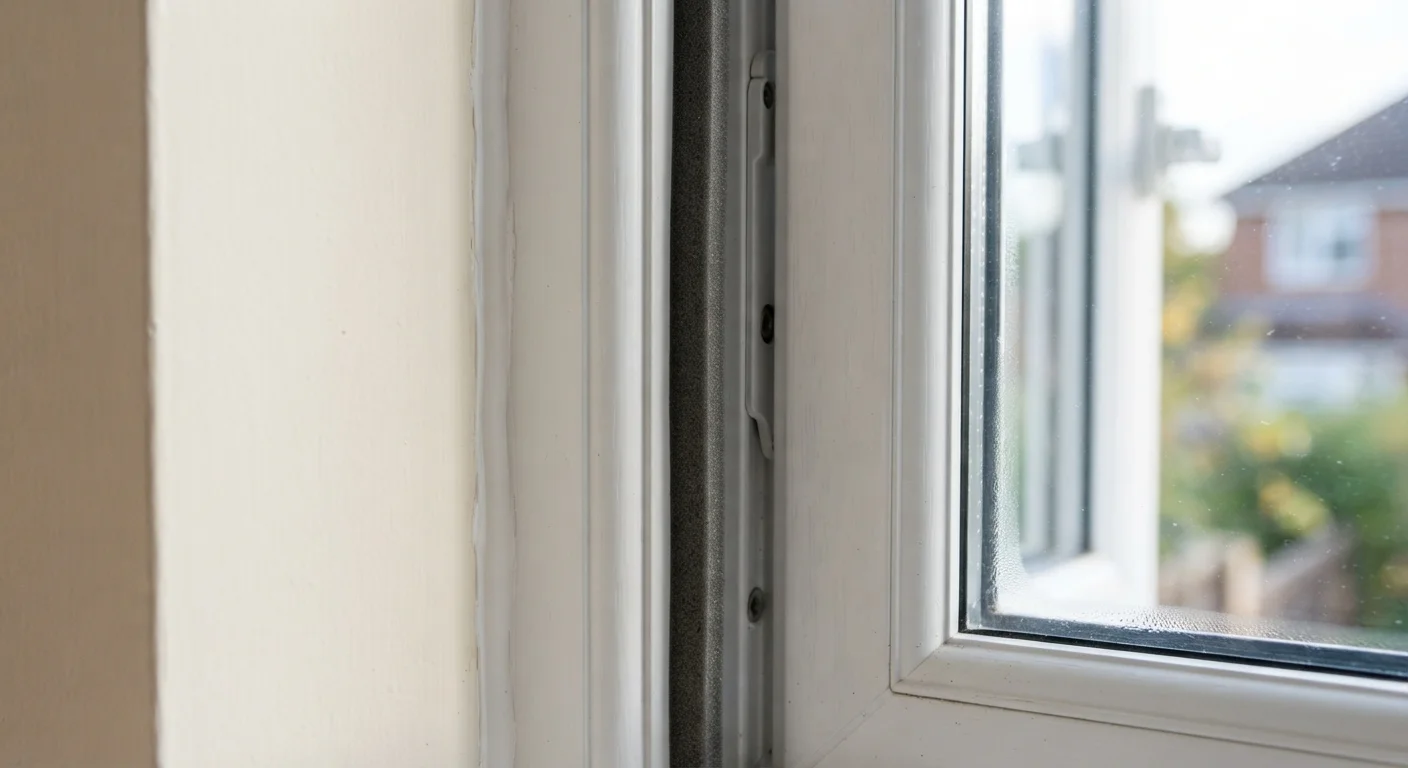
Photo: AnswersSquad.com | Explore Insightful Blogs editorial
Key Takeaways
- Use caulk on stationary gaps where two fixed surfaces meet and movement is not expected.
- Use weatherstripping along the edges of doors and operable windows that move with regular use.
- Applying the wrong product in the wrong location leads to early failure and wasted effort.
- Both materials are DIY-friendly, low-cost, and make a measurable difference in comfort and energy use.
- Inspect seals annually - weatherstripping compresses over time, and caulk can crack or shrink.
Why Getting This Right Actually Matters
Drafts through gaps around windows and doors are one of the most common - and fixable - sources of energy loss in a home. The solution seems simple: seal the gap. But grab the wrong product and you'll either end up with a door that sticks shut or a caulk bead that cracks within a season because it couldn't handle the movement.
Caulk and weatherstripping solve the same underlying problem - air and moisture infiltration - but they do it in fundamentally different ways and belong in different locations. Understanding the distinction before you head to the hardware store saves you a frustrating redo. As part of a broader approach to protecting your home's exterior, choosing the right seal for each gap is one of the easiest wins available to a first-time homeowner.
| Criterion | Caulk | Weatherstripping |
|---|---|---|
| Best location | Fixed, stationary joints | Moving parts - doors, operable windows |
| Handles movement | No - cracks under repeated flex | Yes - designed for open/close cycles |
| Application method | Caulk gun or squeeze tube | Peel-and-stick, nail-in, or screw-on |
| Waterproofing | Yes, especially silicone types | Air seal primarily; not fully waterproof |
| Lifespan | 5-10 years in stable conditions | 2-5 years depending on use frequency |
| Replaceability | Requires cutting and scraping out old material | Peels or unscrews away relatively easily |
| Skill level needed | Low - takes practice for a clean bead | Very low - cut to length and press in place |
What Caulk Does and Where It Belongs
Caulk is a flexible sealant - typically silicone, latex, or a hybrid - that you squeeze into a gap between two stationary surfaces and allow to cure. Once dry, it forms a durable, slightly flexible skin that blocks air, water, and pests from passing through.
The keyword is stationary. Caulk works because both surfaces it's bonded to stay in place. Common locations include:
- The joint where a window or door frame meets exterior siding or interior drywall
- Baseboards and crown molding where they meet walls or floors
- Around pipe penetrations through walls
- Bathtub and shower surrounds where tile meets the tub lip
If you apply caulk somewhere that flexes - like along the top edge of a door that opens inward - it will crack and separate quickly. The movement breaks the bond. For interior gaps and cracks that are structural in nature, it's worth reading what different cracks in walls and floors mean before reaching for the caulk gun.
~30%
Home heating/cooling energy lost through air leaks
The U.S. Department of Energy estimates that air leaks through gaps, cracks, and openings account for roughly 25-30% of heating and cooling energy use in a typical home.
$0-$50
Typical DIY cost to weatherstrip an exterior door
Materials for a standard exterior door - foam tape, V-strip, or a door sweep - are widely available at hardware stores and generally cost under $50 for a complete set.
What Weatherstripping Does and Where It Belongs
Weatherstripping is a compressible material - foam tape, V-strip (tension seal), door sweeps, or rubber gaskets - installed along the edges of a moving part so that when it closes, the seal compresses to fill the gap. When you open the door or window, the material springs back.
That cycle of compression and release is the whole point. Good weatherstripping handles thousands of open-and-close cycles before it needs replacing. Apply it along:
- The top and sides of exterior door frames (the doorstop area the door presses against)
- The bottom of exterior doors, using a door sweep or threshold seal
- The sash rails and stiles of operable windows
Foam tape is the most forgiving for beginners - peel-and-stick and easy to cut to length. V-strip is more durable and works well in the channels of sliding or double-hung windows. Door sweeps attach to the bottom of the door itself and drag across the threshold to block the gap there.
One practical check: close your door on a piece of paper. If you can pull the paper out without resistance, the weatherstripping is either missing or worn out and needs replacement.
How to Choose at a Glance
Before you buy anything, ask one question: Does this gap involve a part that moves?
If the answer is yes - door, operable window sash, attic hatch - reach for weatherstripping. If the answer is no - a gap where a fixed frame meets siding, where a pipe exits a wall, where trim meets drywall - reach for caulk.
A few reminders to set yourself up for success:
- Clean the surface first. Neither caulk nor weatherstripping adheres well to dust, grease, or peeling paint.
- Remove old material. Layering new caulk over cracked old caulk, or new foam over compressed foam, won't create a reliable seal.
- Check annually. Both materials degrade over time. A quick inspection each fall before cold weather - or each spring after it - keeps small failures from becoming big ones.
Neither task requires special skills or expensive tools, and both deliver noticeable results in terms of comfort and reduced drafts. That makes this one of the most accessible home maintenance wins available, whether you're renting with landlord permission or settling into your first owned home.
This article is for general informational purposes only. For gaps involving structural concerns, electrical penetrations, or gas lines, consult a qualified licensed professional before attempting any sealing work.
The content provided on our blog site traverses numerous categories, offering readers valuable and practical information. Readers can use the editorial team’s research and data to gain more insights into their topics of interest. However, they are requested not to treat the articles as conclusive. The website team cannot be held responsible for differences in data or inaccuracies found across other platforms. Please also note that the site might also miss out on various schemes and offers available that the readers may find more beneficial than the ones we cover.