
Debt Avalanche vs. Debt Snowball: Which Payoff Method Fits Your Situation

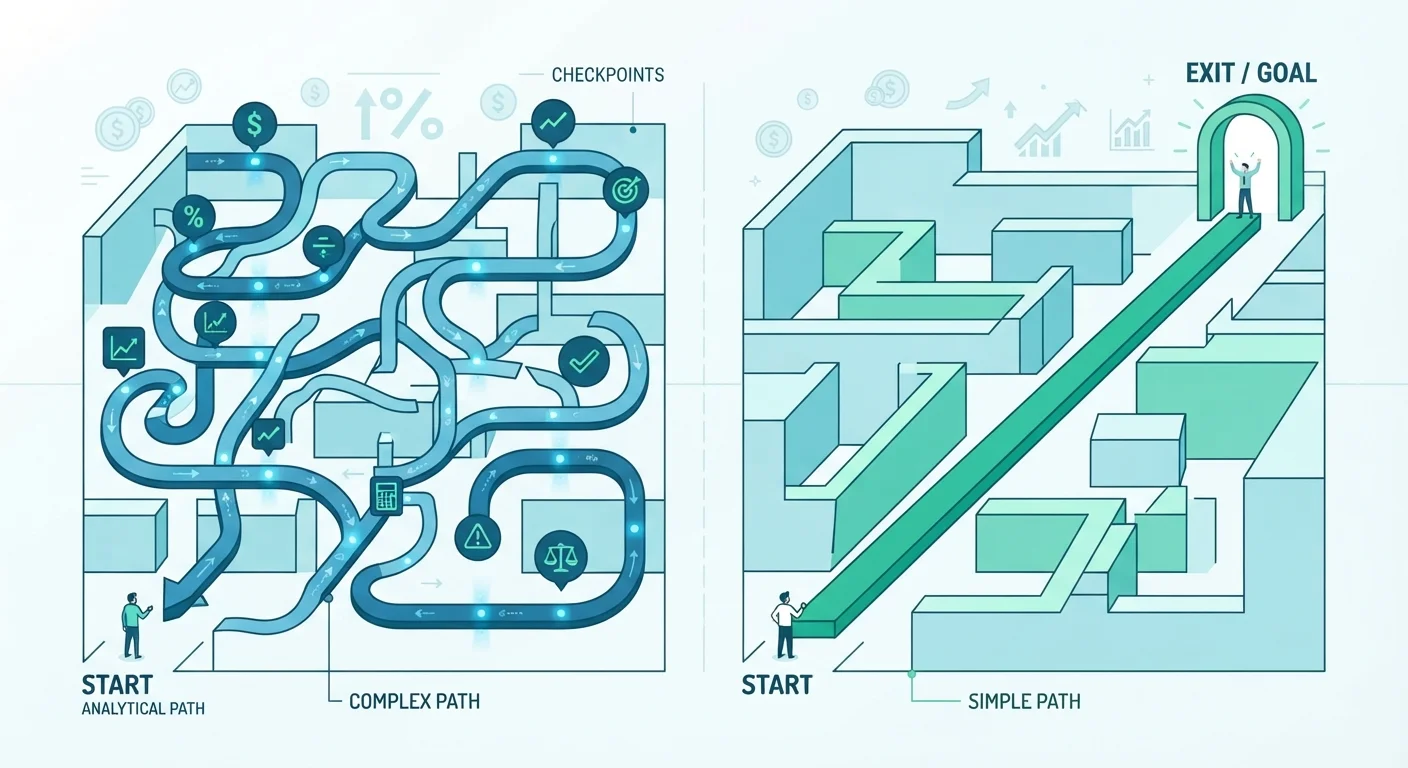
Photo: AnswersSquad.com | Explore Insightful Blogs editorial
Key Takeaways
- The avalanche method targets highest-interest debt first, minimizing total interest paid over time.
- The snowball method targets smallest balances first, generating early wins that help sustain motivation.
- Research suggests many people stick longer with the snowball method due to its psychological rewards.
- The best method is the one you can follow consistently — an abandoned plan saves nothing.
- Both methods require making minimum payments on all debts while directing extra funds to one priority account.
- Consulting a certified financial counselor can help you choose and implement the right strategy for your situation.
How Each Method Actually Works
Both strategies share the same foundation: pay the minimum on every debt each month, then direct any extra dollars toward one designated priority account. The difference is which account you target first.
Debt Avalanche: Rank your debts from highest annual percentage rate (APR) to lowest. Pour extra payments into the highest-rate balance until it's gone, then roll that freed-up payment into the next-highest-rate account. Repeat. Because high-interest debt compounds fastest, eliminating it early shrinks the total amount you'll repay.
Debt Snowball: Rank your debts from smallest balance to largest, regardless of interest rate. Extra payments go to the smallest balance first. Once it's wiped out, you add what you were paying on it to the next-smallest balance — creating a growing "snowball" of payment power. The motivational hook is that you eliminate entire accounts quickly, which research in behavioral economics suggests keeps many people engaged longer.
Before choosing, it helps to have a clear inventory of what you owe. Our guide to debt types and how each behaves can help you categorize your obligations accurately.
| Criterion | Debt Avalanche | Debt Snowball |
|---|---|---|
| Priority target | Highest interest rate first | Smallest balance first |
| Total interest paid | Lower (mathematically optimal) | Slightly higher in most scenarios |
| Time to first account closed | Potentially longer | Typically faster |
| Motivational style | Data-driven, delayed reward | Progress-driven, early wins |
| Best personality fit | Analytical, goal-oriented planners | Habit-builders, previously lapsed payoff attempts |
| Complexity | Moderate — requires tracking APRs | Simple — sort by balance size |
The Real Cost Difference — and Why Motivation Matters Too
The avalanche method wins on pure math. By neutralizing your most expensive debt first, you reduce the principal that generates interest each month. Depending on your specific balances and rates, this can translate to hundreds or even thousands of dollars saved compared to the snowball — though the exact figure varies widely by situation.
But there's a meaningful catch: the avalanche often requires months or years of focused payments before you eliminate your first account. If that debt carries a large balance, the process can feel like running on a treadmill. Studies in consumer behavior, including research published by the Harvard Business Review, suggest that the sense of progress — not just the size of payments — significantly affects whether people stay committed to a repayment plan.
The snowball's early wins are real psychological rewards, not just feel-good fluff. Crossing an account off your list triggers a sense of completion that can reinforce the habit of paying extra each month. For many people, especially those who have previously abandoned debt payoff attempts, this behavioral edge more than compensates for the additional interest paid.
~$1,000+
Potential interest savings with avalanche over snowball
The actual difference depends heavily on individual balances and rates; scenarios with high-rate, large balances see the greatest divergence between methods.
35%
Of U.S. adults carry credit card debt month to month
According to the Federal Reserve's Survey of Consumer Finances, a substantial share of American households revolve a balance, making a structured payoff method especially relevant.
18–29%
Typical APR range on credit card debt
The Consumer Financial Protection Bureau (CFPB) has reported average credit card interest rates consistently above 20% in recent periods, underscoring the cost of carrying balances.
If your debt situation has escalated to the point where minimum payments feel unmanageable, these strategies may need to be paired with other steps. See signs your debt load is becoming a problem for a realistic look at next steps.
Choosing the Right Method for You
Neither method is objectively superior for every person — the right choice depends on your numbers, your temperament, and your track record with financial commitments.
Consider the avalanche if: your highest-interest debt is also a relatively modest balance (so you'll see an account close soon anyway); you find spreadsheets motivating rather than stressful; or the interest savings over your repayment timeline are large enough to matter meaningfully to your overall financial plan.
Consider the snowball if: you have several small accounts cluttering your financial picture; you've started and stopped debt payoff plans before; or the interest rate spread across your debts is narrow enough that the math difference is small.
A hybrid approach is also valid. Some people start with the snowball to build momentum, then shift to the avalanche once they've eliminated two or three small accounts and feel confident in the habit. What matters most is consistency — a plan you follow imperfectly will still outperform a theoretically optimal plan you abandon after three months.
It's also worth noting that debt payoff is just one piece of a broader financial picture. How you finance major purchases, for example, shapes the debt landscape you're working with — our analysis of financing a car versus paying cash illustrates how interest costs accumulate on the front end of a purchase.
If you're considering consolidating multiple debts into a single loan before applying either strategy, review the trade-offs of debt consolidation first — consolidation changes the structure of your debt, which affects how both methods apply.
This article provides general financial education only and is not personalized financial or legal advice. Your situation is unique — consider speaking with a certified financial counselor or advisor before making decisions about your debt repayment strategy.
The content provided on our blog site traverses numerous categories, offering readers valuable and practical information. Readers can use the editorial team’s research and data to gain more insights into their topics of interest. However, they are requested not to treat the articles as conclusive. The website team cannot be held responsible for differences in data or inaccuracies found across other platforms. Please also note that the site might also miss out on various schemes and offers available that the readers may find more beneficial than the ones we cover.