
Blowing Your Budget on the First Three Days: What Goes Wrong and Why

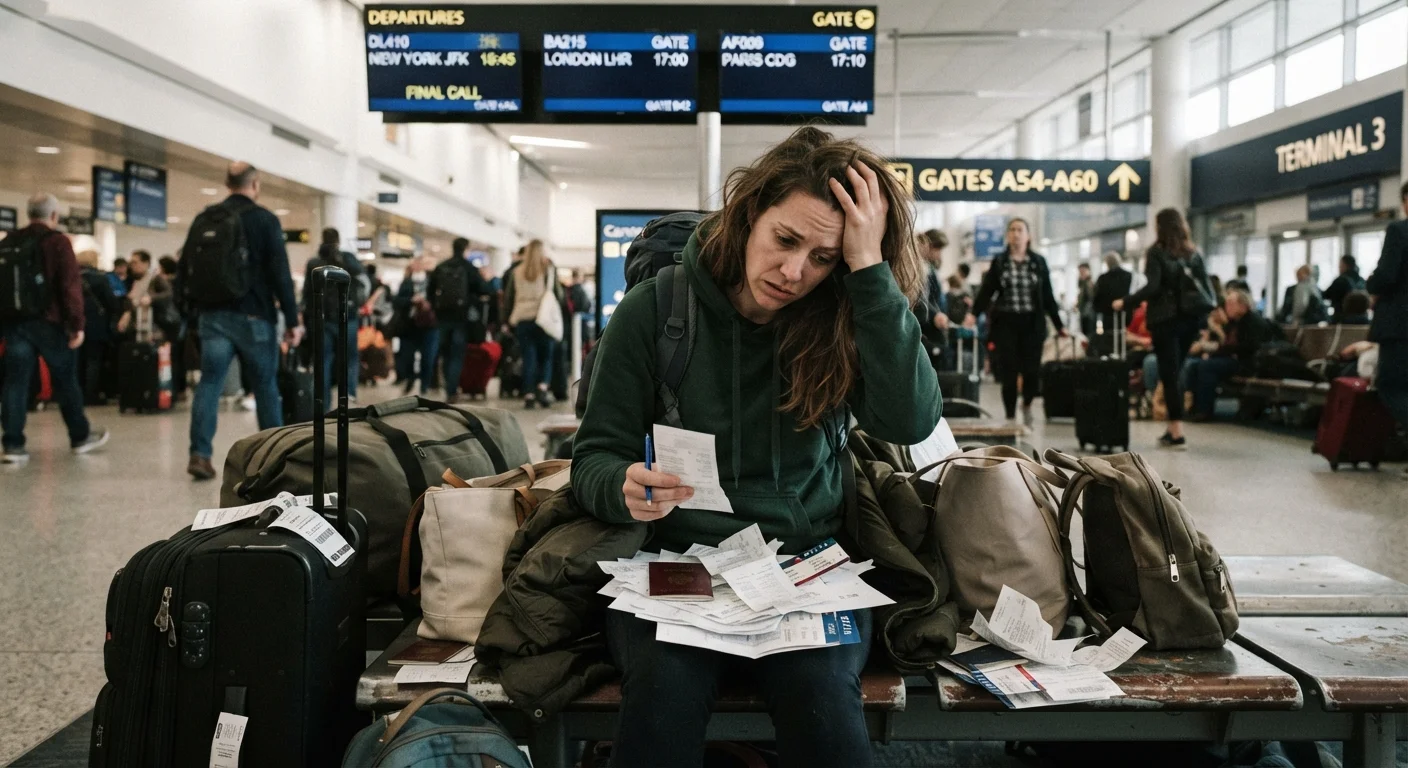
Photo: AnswersSquad.com | Explore Insightful Blogs editorial
Key Takeaways
- Most travel budget overruns occur within the first 72 hours of a trip, not mid-trip.
- Arrival-day costs — airport transport, meals, and fees — are the most commonly underestimated expenses.
- Excitement-driven spending in the first days sets a pace that's hard to reverse.
- A written daily spending cap, reviewed before departure, is one of the most effective guardrails.
- Hidden accommodation fees and currency exchange losses often hit hardest on day one.
Why the Opening Days Are the Most Dangerous for Your Budget
It's counterintuitive: you've planned carefully, you know your overall budget, and you're excited to finally be traveling. Yet this exact combination — careful planning paired with arrival-day excitement — is precisely why so many travelers hemorrhage money in the first 72 hours. The opening days of a trip are characterized by unfamiliarity, fatigue, and the psychological looseness that comes with finally being "on vacation."
Research on consumer behavior consistently shows that people in novel, stimulating environments make faster, less-considered spending decisions. Add jet lag, hunger, and the pressure to get settled quickly, and you have a recipe for impulsive choices that quietly demolish a budget before the trip has really begun.
Understanding the specific patterns that cause early overspending is the first step toward preventing them. The mistakes below are the ones we see most often — and they're all avoidable with a little advance awareness. For a broader look at how hidden costs erode travel budgets, see why budget travelers keep getting tripped up by hidden costs.
Ignoring airport-to-accommodation transport costs entirely during trip planning.
Eating at the nearest available restaurant on arrival day without comparing options.
Exchanging currency at the airport without knowing the rate or fees in advance.
Treating the first few days as a 'settling-in' period where normal budget rules don't apply.
Paying accommodation fees on check-in that weren't factored into the pre-trip budget.
Booking tours or activities on arrival day under the pressure of wanting to make the most of every hour.
Building a First-Day Spending Floor Before You Leave Home
The most effective defense against early budget blowout isn't willpower — it's pre-commitment. Before departure, calculate a realistic floor for your first 24 hours: airport transport (both ends), one or two meals, any accommodation fees due on check-in, and a small buffer for unavoidable incidentals. Write that number down and treat it as a known cost, not a variable.
72 hrs
Window when most trip overspending is locked in
Consumer behavior studies suggest that spending patterns established in the first days of a novel experience tend to anchor subsequent decisions for the duration.
2–3×
Price premium at airport food and retail vendors
Airport concession pricing can run significantly higher than city-center equivalents due to rent structures and captive-audience dynamics, according to airport retail analyses.
Travelers who set a documented daily spending cap — even a rough one — tend to stay closer to their overall target than those who rely on intuition alone. The act of writing it down creates a mental anchor that's surprisingly hard to ignore when you're tempted to grab an overpriced airport meal or take a taxi instead of transit.
Also review your accommodation confirmation carefully before you travel. Note exactly what's included, what fees are due on arrival, and whether breakfast or city taxes are billed separately. Surprises at check-in are both stressful and expensive. For a full framework on pre-trip planning, the guide on planning a budget trip end to end covers every moving part worth accounting for before you leave.
Finally, recognize that the patterns you establish on day one tend to persist. If you overspend on arrival, it rarely self-corrects mid-trip — it normalizes. The same psychological dynamics that cause budgets to collapse in month two apply to travel: the early days set the emotional tone for everything that follows.
This article is for general informational purposes only. Costs, fees, and local conditions vary by destination and change over time. Always verify current entry requirements, exchange rates, and accommodation policies through official sources before traveling.
The content provided on our blog site traverses numerous categories, offering readers valuable and practical information. Readers can use the editorial team’s research and data to gain more insights into their topics of interest. However, they are requested not to treat the articles as conclusive. The website team cannot be held responsible for differences in data or inaccuracies found across other platforms. Please also note that the site might also miss out on various schemes and offers available that the readers may find more beneficial than the ones we cover.