
Why Budget Travelers Keep Getting Tripped Up by Hidden Costs

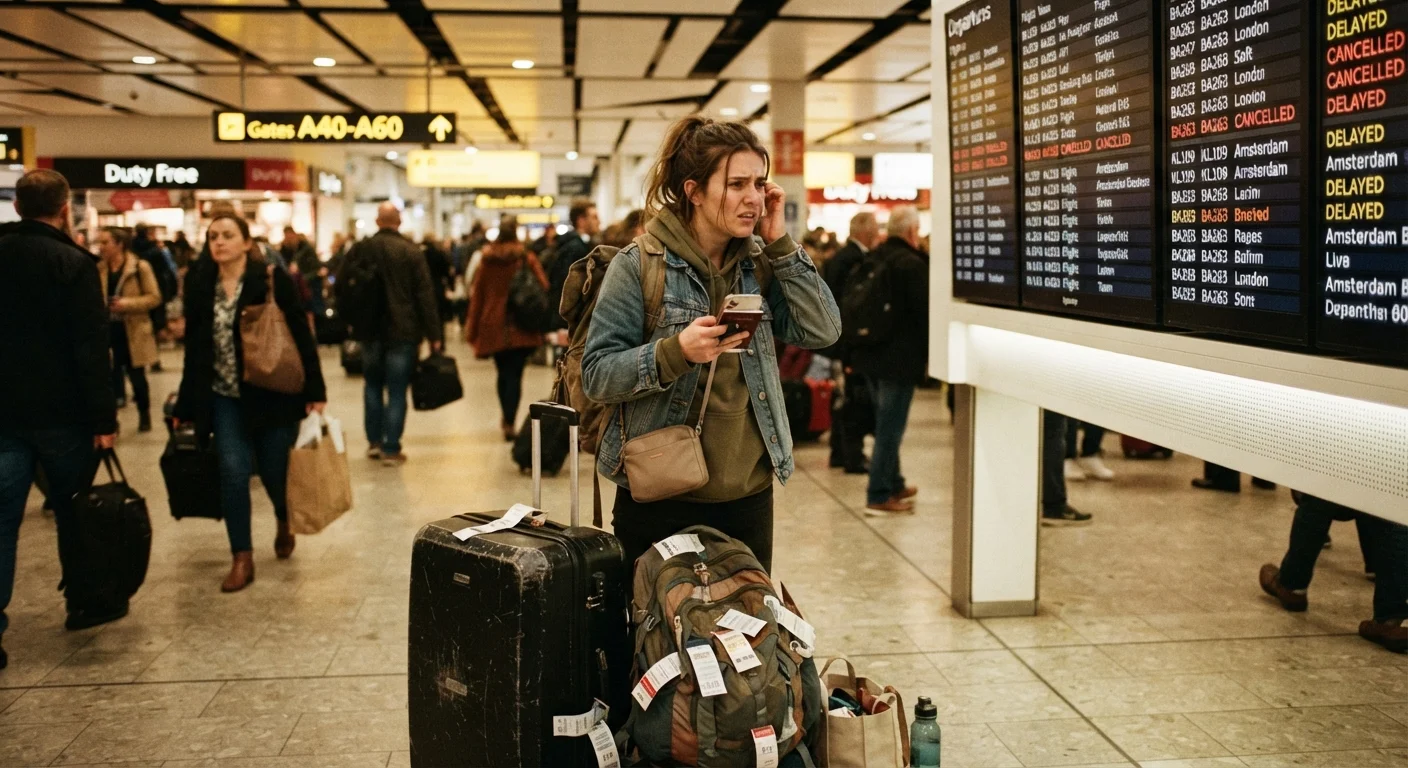
Photo: AnswersSquad.com | Explore Insightful Blogs editorial
Key Takeaways
- Resort fees, airline baggage charges, and airport transit costs are among the most commonly overlooked travel expenses.
- Most hidden costs are avoidable with targeted pre-trip research — the problem is knowing which questions to ask.
- A buffer of 10–15% above your estimated total helps absorb surprise charges without derailing your trip.
- Currency conversion fees and foreign transaction charges can add up to significant amounts over a multi-week trip.
- Reading accommodation fine print before booking is one of the highest-value habits a budget traveler can develop.
The Gap Between What You Budget and What You Actually Spend
Most first-time budget travelers don't overspend because they're careless — they overspend because the costs they missed were never visible during the planning process. Advertised prices for flights and hotels are designed to be competitive, which means the full price only emerges later in the booking flow, or worse, at check-in. Understanding where these gaps consistently appear is the fastest way to close them before your trip starts.
If you haven't yet built your baseline budget, start with our guide on building a realistic travel budget from scratch. This article focuses on the specific line items that most budget travelers forget to include — even after they think they've planned carefully.
Resort Fees Are Not Optional
The Most Commonly Missed Cost Categories
Hidden travel costs tend to cluster around a few predictable categories. Knowing which buckets to check means you can audit your budget systematically rather than guessing.
Booking based on the advertised price without checking for mandatory fees added at checkout.
Ignoring checked baggage and carry-on fees when comparing airline ticket prices.
Using a standard bank card abroad without checking foreign transaction and ATM withdrawal fees.
Underestimating daily incidental costs like paid public toilets, bottled water, tips, and entry fees.
Skipping travel insurance to save money, then facing unexpected out-of-pocket costs for cancellations or medical emergencies.
Patterns of overspending often extend beyond individual trips. The financial habits that separate chronic over-spenders from savvy travelers can help you identify whether any of these mistakes reflect deeper planning habits worth adjusting.
Airport-to-City Transport Costs Add Up Fast
Building a Budget That Actually Holds
Once you know which costs are easy to miss, the fix is straightforward: add them explicitly to your pre-trip budget as line items, not afterthoughts. A working approach is to estimate your core costs — flights, accommodation, food, and activities — then add 10–15% as a buffer for incidentals and fees you haven't anticipated yet.
$2,550+
Average annual resort fee revenue per major hotel property
According to research by the American Hotel & Lodging Association, resort fee revenue across U.S. properties has grown substantially year over year, reflecting how embedded these charges have become.
3%
Typical foreign transaction fee on standard credit cards
Many standard U.S. credit and debit cards charge a foreign transaction fee of around 1–3% per purchase abroad, according to general consumer finance guidance — a cost that compounds across a full trip.
For destination-specific guidance on keeping daily costs in check, explore what goes wrong in the first three days and how to structure your spending to avoid front-loading costs. If you're still choosing where to go, budget destinations is a useful starting point for destinations where your dollar stretches further by design — before fees even enter the picture.
The content provided on our blog site traverses numerous categories, offering readers valuable and practical information. Readers can use the editorial team’s research and data to gain more insights into their topics of interest. However, they are requested not to treat the articles as conclusive. The website team cannot be held responsible for differences in data or inaccuracies found across other platforms. Please also note that the site might also miss out on various schemes and offers available that the readers may find more beneficial than the ones we cover.