
Building a Realistic Travel Budget From Scratch

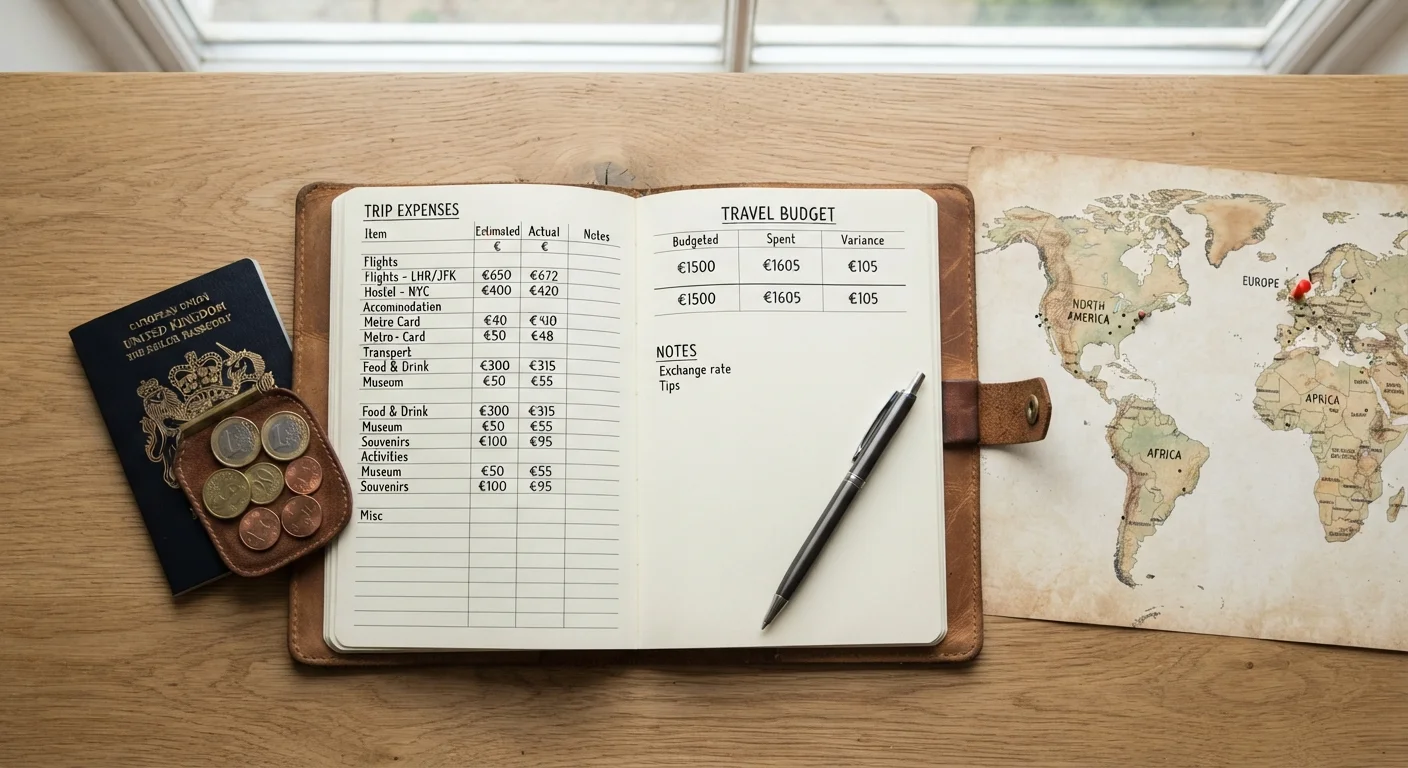
Photo: AnswersSquad.com | Explore Insightful Blogs editorial
Key Takeaways
- Break your travel budget into five distinct categories: flights, accommodation, food, activities, and ground transport.
- Research real costs using current booking platforms before committing to any destination or trip length.
- Add a contingency buffer of at least 15–20% on top of your estimated total to absorb unexpected expenses.
- Your daily spend rate varies significantly by destination — benchmark against the region, not a generic figure.
- Building a travel budget before saving helps you set a concrete savings target and realistic timeline.
Why Most First Travel Budgets Go Wrong
The most common budgeting mistake isn't overspending at the destination — it's underestimating costs before you even book. First-time travelers frequently budget for flights and accommodation, then treat everything else as a vague "spending money" figure. That gap is where trips go over budget.
A realistic travel budget accounts for every spending category individually, uses real price data rather than guesses, and includes room for costs you can't predict. If you've never built a personal budget before, the same foundational habits apply — see our beginner's budgeting guide for the core framework.
The steps below walk you through the process category by category, so you end up with a number you can actually save toward — not one that evaporates at the airport.
What you will need
What You Need Before You Start
Before estimating costs, nail down three decisions that shape every figure in your budget:
- Destination: Costs differ dramatically by region. Southeast Asia and parts of Eastern Europe run far cheaper than Western Europe or Australia. Our daily budget benchmarks by region give you a concrete starting point.
- Trip length: More days mean more accommodation and food costs, but often lower per-night rates if you stay put longer.
- Travel dates: Peak season pricing can double accommodation and flight costs. Date flexibility is one of the most effective levers for reducing total cost.
Once those three variables are set, your budget research becomes grounded rather than speculative.
Flight search tool
Research realistic round-trip airfare for your destination and travel window, including baggage fee structures.
Accommodation booking platform
Pull nightly rate averages for your destination across your preferred accommodation type (hostel, guesthouse, budget hotel).
Spreadsheet or budgeting app
Record estimated costs by category, calculate daily spend rates, and apply your contingency buffer in one place.
Currency converter
Convert local prices to USD so all figures sit in the same currency as your savings account.
Travel forums or destination-specific subreddits
Validate your estimates against recent firsthand reports from travelers who've been to the same destination.
Step-by-Step: Building Your Budget
Work through each category in order. Don't round numbers down to make the total feel comfortable — round up. The goal is accuracy, not optimism.
Research and lock in a flight cost estimate
Search round-trip fares for your destination across several date combinations to understand the realistic price range — not just the lowest advertised price. Record the median fare you see across multiple searches, not the outlier deal. Add checked baggage fees if you'll need them. This is your flight line item.
Estimate accommodation costs for every night
Multiply your target nightly rate by the number of nights. If you're moving between cities, repeat this for each location. Use the accommodation type you'll realistically book — not the cheapest listing on the page, which often has significant caveats. Add these together for a total accommodation figure.
Set a daily food and drink budget
Research what a realistic day of eating costs at your destination — street food markets, sit-down local restaurants, and the occasional splurge. Our regional daily budget benchmarks provide a starting reference. Multiply your daily food estimate by the number of trip days for your food subtotal.
Budget for in-destination transport
Account for every journey between cities or regions within your trip: buses, trains, domestic flights, ferries. Add a separate daily allowance for local transport (metro, tuk-tuks, taxis). Don't rely on one round number — price each intercity leg individually using current transport booking tools.
Itemize planned activities and entrance fees
List the experiences you genuinely intend to do — tours, museum entries, adventure activities — and look up current prices for each. Add a modest daily allowance for spontaneous activities you haven't planned yet. This is a commonly underestimated category; treat it seriously.
Add a contingency buffer of 15–20%
Total all five categories above, then multiply by 1.15 to 1.20. This buffer covers medical costs, missed connections, unexpected accommodation changes, or simply spending more than estimated on a particular day. Treat this as a required line item, not an optional extra. If you don't use it, it becomes savings.
Set your savings target and timeline
Your total budget figure is now your savings target. Divide it by the number of months until your departure to get a monthly savings requirement. If the monthly figure isn't achievable, extend your timeline or adjust the destination — not the buffer. For a practical approach to tracking your spending once you're on the road, see managing a daily travel budget.
Common Budget Gaps to Catch Before You Book
Even methodical budgeters miss line items. Before finalizing your total, check for these frequently overlooked costs:
- Visa and entry fees: These can range from zero to over $100 depending on your passport and destination. Always verify current requirements with the official embassy or consulate — entry rules change without notice.
- Travel insurance: Often skipped, rarely regretted until it's needed. Factor in a realistic premium based on trip length and destination.
- Airport transfers: The first and last legs of a trip are frequently the most expensive per-kilometer transport of the whole trip.
- Checked baggage fees: Budget carriers often exclude these from the advertised fare. Price out your actual luggage situation before comparing flight costs.
- Currency conversion and ATM fees: These add up across a multi-week trip. Check what your bank charges for international withdrawals before you leave — our pre-departure financial checklist covers this and other money logistics.
Never Rely on a Single Price Source
For a broader picture of how all these moving parts fit together, The Anatomy of a Budget Trip is a useful companion read once your numbers are in place.
The content provided on our blog site traverses numerous categories, offering readers valuable and practical information. Readers can use the editorial team’s research and data to gain more insights into their topics of interest. However, they are requested not to treat the articles as conclusive. The website team cannot be held responsible for differences in data or inaccuracies found across other platforms. Please also note that the site might also miss out on various schemes and offers available that the readers may find more beneficial than the ones we cover.