
Travel Money Tips

Before You Fly: A Financial Checklist for Affordable Travel

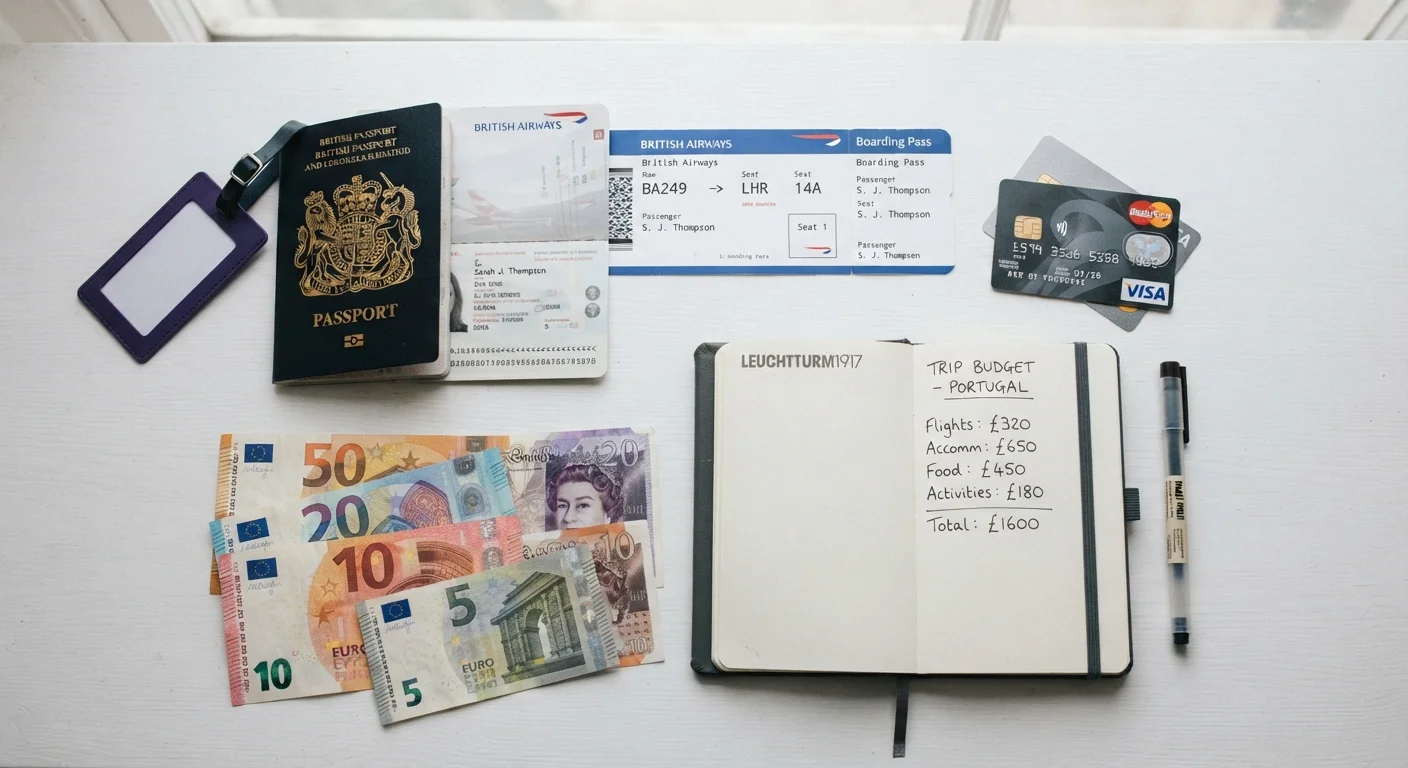
Before You Fly: A Financial Checklist for Affordable Travel

Photo: AnswersSquad.com | Explore Insightful Blogs editorial

Cover every money-related base before departure — notify your bank, set a daily budget, check fees, and more with this practical checklist.

Key Takeaways

  • Notifying your bank before departure prevents your cards from being blocked abroad.
  • Foreign transaction fees and ATM charges can quietly drain your travel budget if unchecked.
  • Setting a realistic daily spending limit before you leave reduces on-trip financial stress.
  • Travel insurance is a separate cost worth factoring into your total trip budget.
  • Carrying a mix of payment methods — card and local cash — reduces risk of being stranded.

Why a Financial Checklist Matters Before Any Trip

Booking flights and accommodation gets most of the attention, but the financial groundwork you lay before departure often determines whether a trip stays affordable or quietly goes over budget. Hidden card fees, blocked accounts, and no local cash on hand are among the most common — and most avoidable — travel money problems.

This checklist walks through every financial task worth completing before you fly, from reviewing your payment methods to setting a daily spending ceiling. Work through it once and you'll board with far fewer unknowns. For a broader pre-departure review, see our pre-trip planning checklist for first-time travelers covering documents, health prep, and entry requirements alongside the money side.

Budget & Spending Plan

Build a realistic total trip budget that includes flights, accommodation, food, transport, activities, and a contingency buffer of at least 10–15%. Must
Set a daily spending limit and write it down somewhere accessible — a notes app or small notebook works fine. Must
Research typical costs for meals, local transport, and entry fees at your destination so your daily limit is grounded in reality. Should

Cards & Bank Accounts

Notify your bank and any credit card issuers of your travel dates and destinations to prevent transactions from being flagged and blocked. Must
Check whether your debit or credit card charges foreign transaction fees (typically 1–3% per purchase) and factor that into your budget. Must
Confirm your card's international ATM withdrawal fee and daily withdrawal limit so you're not caught short at an overseas machine. Must
Carry at least two different payment cards from different networks in case one is not accepted or gets lost. Should

Cash & Currency

Obtain a small amount of local currency before departure — enough to cover airport transport and the first day's incidentals. Should
Research the general exchange rate for your destination currency so you can identify unreasonable rates when exchanging money on the road. Should
Avoid exchanging currency at airport kiosks if possible, as rates and fees there are typically less favorable than at local banks or ATMs. Nice to have

Travel Insurance & Emergencies

Purchase travel insurance that covers medical emergencies, trip cancellation, and lost or stolen belongings before you depart. Must
Read your policy's key exclusions — especially around pre-existing conditions, adventure activities, and high-value items — so there are no surprises on a claim. Must
Save your insurer's emergency contact number separately from your policy documents in case your phone or bag is stolen. Should
Set aside a small emergency fund (separate from your trip budget) that you only access if something goes genuinely wrong. Should

Digital Security & Account Access

Enable two-factor authentication on your banking and payment apps and confirm you can receive codes via an authentication app rather than SMS only, in case you lose signal. Must
Store copies of key financial documents — card numbers, bank contact details, insurance policy number — securely offline and in a separate location from originals. Should
Review your credit card's fraud liability policy so you know the process for disputing an unauthorized charge while abroad. Nice to have

Tools That Help You Stay on Top of Travel Finances

You don't need expensive apps or specialized gear — but having the right resources in place before you depart makes the checklist above significantly easier to execute.

Required

Budgeting app or spreadsheet

Track your trip budget category by category and log spending in real time while traveling.

Required

Currency conversion app

Check live exchange rates on the go so you can quickly evaluate whether a quoted price or exchange offer is reasonable.

Required

Offline document storage (cloud or encrypted app)

Store copies of card numbers, insurance policy details, and bank emergency contacts somewhere accessible without internet.

Optional

Authentication app (e.g., any TOTP-based authenticator)

Generate two-factor login codes for banking apps without relying on SMS, which may not work internationally.

If this is your first time managing money across borders, our guide to travel money for first-timers explains exchange rates, fees, and payment methods in plain terms. For a full picture of managing money across every stage of a trip — not just before departure — the complete travel money roadmap is worth bookmarking.

Airport Currency Exchanges and Dynamic Currency Conversion

Two common money traps catch travelers off guard: airport-based currency exchange booths (which often carry wide spreads and high fees) and dynamic currency conversion (DCC), where a foreign merchant offers to charge you in your home currency instead of the local one. DCC rates are almost always worse than your card's standard conversion rate. When given the option at a card terminal, always choose to pay in the local currency.

This article provides general financial information for educational purposes only and does not constitute personalised financial or legal advice. Consult a qualified financial professional for guidance specific to your situation.

Travel On A Budget Editorial Team

AnswersSquad.com | Explore Insightful Blogs

Travel on a Budget Editorial Team is the collective byline for our editorial team and contributor network. Articles published under this byline or an editorial pen name are researched, written, and reviewed according to our editorial standards for clarity, consistency, and independence before publication.

Budget DestinationsTravel Money TipsTrip Planning Basics
View author profile

The content provided on our blog site traverses numerous categories, offering readers valuable and practical information. Readers can use the editorial team’s research and data to gain more insights into their topics of interest. However, they are requested not to treat the articles as conclusive. The website team cannot be held responsible for differences in data or inaccuracies found across other platforms. Please also note that the site might also miss out on various schemes and offers available that the readers may find more beneficial than the ones we cover.