
Daily Budget Benchmarks for Popular Low-Cost Travel Regions

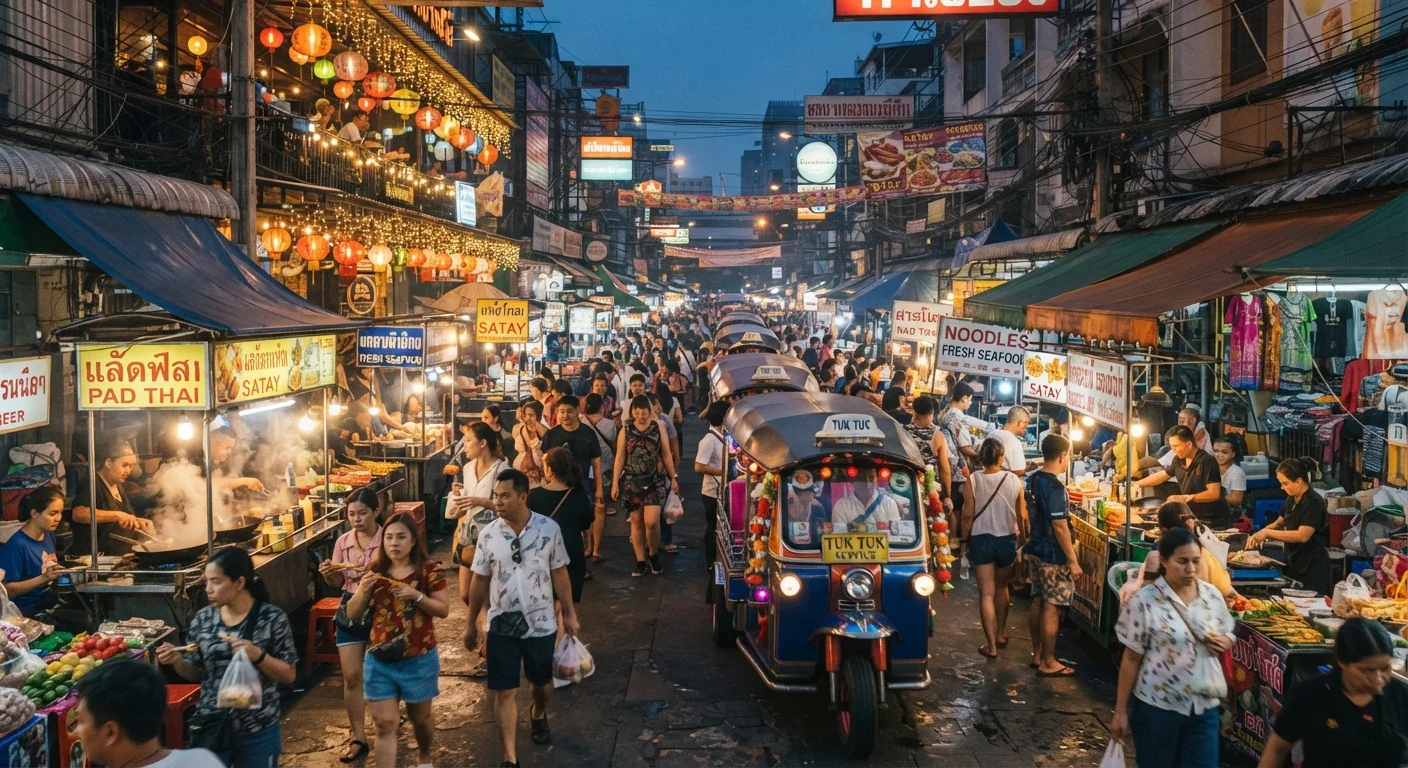
Photo: AnswersSquad.com | Explore Insightful Blogs editorial
How to Use These Benchmarks
The numbers below represent typical daily spending ranges for a solo budget traveler — not minimum survival figures, not luxury floor prices. They cover the four core expense categories: accommodation, food, local transport, and paid activities. Flights to each region are excluded, as those costs vary too widely by origin and season to generalize usefully.
Ranges reflect hostel dorms or budget guesthouses at the low end, and basic private rooms with a few sit-down meals at the high end. Your actual spending will shift based on travel style, city versus rural split, and seasonality. Use these as a planning anchor, not a guarantee. For a deeper look at how to construct your own estimate, see Building a Realistic Travel Budget From Scratch.
| Southeast Asia daily range | $25–$55 USD (General traveler reporting; varies by country and city) |
| Central America daily range | $35–$65 USD (General traveler reporting; Guatemala/Nicaragua at lower end) |
| Eastern Europe & Caucasus daily range | $30–$60 USD (General traveler reporting; Albania, Georgia, Serbia at lower end) |
| South Asia daily range | $20–$50 USD (General traveler reporting; India and Nepal most affordable) |
| Biggest single cost variable | Accommodation type (Dorm vs. private room typically doubles lodging spend) |
| Flights included in benchmarks? | No — international airfare excluded (Origin and season variation makes generalizing unreliable) |
Region-by-Region Daily Budget Ranges
Southeast Asia
Daily range: $25–$55 USD
- Accommodation: $5–$18 (dorm to budget private room)
- Food: $6–$15 (street food to local restaurants)
- Local transport: $3–$10 (songthaew, bus, motorbike taxi)
- Activities: $5–$15 (temple entry, guided treks, snorkeling)
Countries like Vietnam, Cambodia, Laos, and Indonesia (outside Bali's tourist zones) sit toward the lower end. Thailand's major cities and islands push toward the higher range. The Southeast Asia shoestring breakdown covers this region in closer detail.
Central America
Daily range: $35–$65 USD
- Accommodation: $10–$25
- Food: $8–$18
- Local transport: $5–$12 (chicken buses, shuttles)
- Activities: $8–$20 (volcano hikes, boat tours)
Guatemala and Nicaragua are the most affordable options. Costa Rica and Belize tend to run significantly higher due to tourism infrastructure and USD-pegged pricing.
Eastern Europe & the Caucasus
Daily range: $30–$60 USD
- Accommodation: $10–$25
- Food: $8–$15
- Local transport: $3–$10
- Activities: $5–$15
Georgia (the country), Albania, North Macedonia, and Serbia offer some of the lowest costs in the European time zone. For a destination-specific look, the honest assessment of Georgia as a budget destination covers Tbilisi and beyond.
South Asia
Daily range: $20–$50 USD
- Accommodation: $5–$20
- Food: $4–$12
- Local transport: $3–$10 (trains, auto-rickshaws)
- Activities: $4–$12
India and Nepal remain among the most cost-effective destinations globally. Sri Lanka has seen notable price increases in recent years; verify current conditions before planning.
Daily budget benchmark
A reference spending range representing typical costs for one traveler on a given day, covering accommodation, food, local transport, and activities. It is an estimate for planning purposes, not a guaranteed figure.
Budget guesthouse
A small, locally run accommodation offering basic private or shared rooms at low cost, common in Southeast Asia, South Asia, and Eastern Europe. Often cheaper than hostels for longer stays.
Local transport
Ground transportation used within a destination — buses, motorbike taxis, auto-rickshaws, minivans — as distinct from the international flights used to reach the region.
Shoulder season
The travel period between a destination's peak and off-peak seasons, typically offering lower prices and fewer crowds while maintaining reasonably good conditions.
USD-pegged pricing
When a destination's tourism economy prices goods and services in or relative to the US dollar, often meaning that local currency devaluations don't produce cheaper travel for American visitors.
What Moves Your Daily Number Up or Down
Within any region, a few consistent factors shift daily costs more than anything else:
- City vs. rural: Capital cities and tourist hubs typically cost 30–60% more than secondary towns or rural areas.
- Accommodation type: Moving from a dorm bed to a private room often doubles your accommodation spend. See the accommodation trade-off breakdown for a fuller comparison.
- How you eat: Sticking to markets and local canteens vs. tourist-facing restaurants can halve your food costs. Strategies worth knowing are covered in eating well abroad without spending like a tourist.
- Pace of travel: Slower travel typically reduces per-day costs — fewer transit moves, discounted weekly room rates, and fewer rushed paid activities. The slow travel vs. multi-country hopping cost comparison illustrates this clearly.
Hidden costs — entry fees, baggage charges, tourist taxes — are another common budget-buster. The guide to hidden travel costs catalogs the ones travelers most frequently miss. For ongoing spending on the road, managing a daily travel budget without spreadsheets offers practical tracking methods that don't require a finance background.
All figures in this article are general estimates based on commonly reported traveler spending data. Prices shift with exchange rates, inflation, and seasonal demand. Always verify current costs through recent traveler reports and official sources before finalizing your budget.
The content provided on our blog site traverses numerous categories, offering readers valuable and practical information. Readers can use the editorial team’s research and data to gain more insights into their topics of interest. However, they are requested not to treat the articles as conclusive. The website team cannot be held responsible for differences in data or inaccuracies found across other platforms. Please also note that the site might also miss out on various schemes and offers available that the readers may find more beneficial than the ones we cover.