
Managing a Daily Travel Budget Without Spreadsheets or Stress

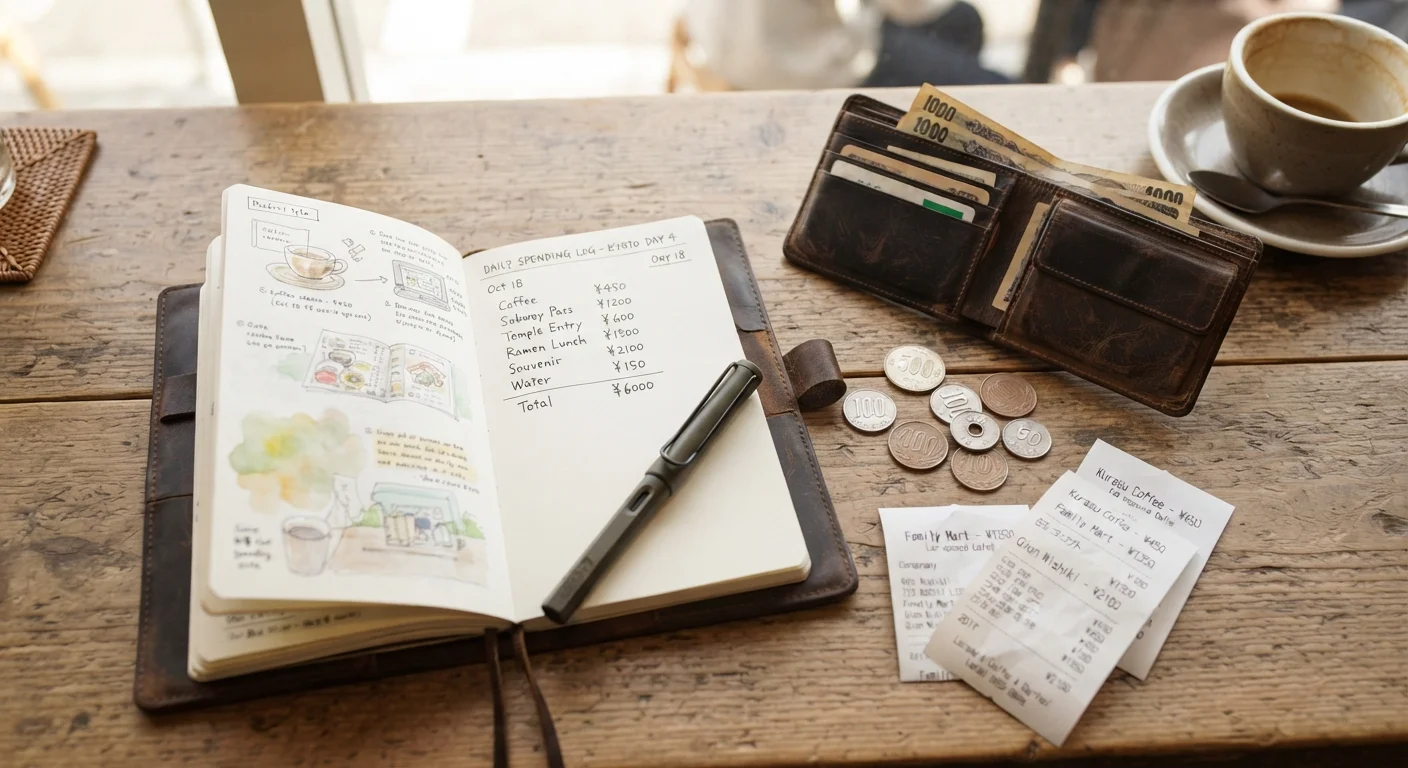
Photo: AnswersSquad.com | Explore Insightful Blogs editorial
Key Takeaways
- Set a realistic daily spending number before you leave home, broken down by category.
- Envelope budgeting with physical cash is one of the most reliable low-tech methods for trip spending.
- A quick end-of-day check-in — two minutes, no spreadsheet — is enough to stay on track.
- Buffer days and a small emergency reserve prevent one overspend from derailing the whole trip.
- Tracking method doesn't matter as much as consistency; pick what you'll actually use.
Set Your Daily Number Before You Leave
Budget management on the road starts at home, not at the airport. Before departure, divide your total trip spending allowance by the number of days. That single figure — your daily number — becomes your anchor. If you're unsure what a realistic daily figure looks like for your destination, the daily budget benchmarks by region are a useful reference point for accommodation, food, transport, and activities.
Break that daily number into rough categories: food, transport, accommodation (if you haven't prepaid), activities, and miscellaneous. You don't need precise sub-limits — just a general sense of where the money is going. This prevents the most common budget failure: spending freely on meals and realizing too late that there's nothing left for transport or entry fees.
If you want a broader view of everything that feeds into trip costs before you even get to day-by-day tracking, see the anatomy of a budget trip.
What you will need
Choose a Tracking Method You'll Actually Use
The most accurate budget system is the one you actually stick with. Two approaches work well for most travelers, and neither requires a spreadsheet.
Physical Cash Envelopes
Withdraw your daily or multi-day allowance in local currency and keep it in separate envelopes or sections of a wallet. When the cash is gone, spending stops. This method removes the psychological distance that comes with card swipes and makes overspending immediately visible. It's especially effective in destinations where cash is the dominant payment method. For a deeper look at how cash envelopes compare to digital approaches, see envelope budgeting vs. digital spending trackers.
A Simple Notes App Log
Open your phone's default notes app and list every purchase as you make it, with a running total. No downloads, no syncing, no learning curve. At the end of the day, compare the total against your daily number. That's the whole system. Some travelers prefer dedicated expense apps — these can auto-categorize and convert currencies, which is useful on longer trips — but a plain text list works just as well for trips under two weeks.
Match Your Method to Your Destination
Build In Buffers and Do a Daily Two-Minute Check
Even a well-planned budget will have irregular days — a longer travel day, an unplanned activity, a meal that cost more than expected. The fix isn't a rigid daily cap; it's a weekly buffer. Allocate roughly 10–15% of your weekly spending as a flex amount. If you don't use it, it rolls into savings or a treat at the end of the trip. If you do use it, you haven't blown the budget — you planned for it.
Each evening, spend two minutes reviewing the day's spending. Compare your actual total to your daily number. If you're over, note why and decide whether tomorrow needs a lighter day. If you're under, bank the difference mentally. This habit — not complex tracking software — is what separates chronic over-spenders from savvy travelers.
Also keep a small emergency reserve — separate from your daily envelope or log — for situations like missed transport, medical costs, or a lost item. This reserve is not part of your daily number; it's a safety net. For a full picture of how to manage money across an entire trip from departure to return, the complete travel money roadmap covers the ground well.
Don't Raid the Emergency Reserve
What to Do When You Go Over
Overspending on a single day doesn't mean the trip budget is broken. Treat it as data, not failure. Ask: was it a one-off (a boat tour, a nicer dinner) or a pattern (underestimating food costs, frequent taxis)? One-offs need no response beyond awareness. Patterns need a small adjustment — packing lunch a couple of days, choosing slower transport, or shifting an activity to a free alternative.
Avoid the common overcorrection of cutting spending so aggressively after a high day that you're miserable — that usually leads to a rebound spend. Smooth adjustments over two or three days are more sustainable than a single austerity day. The same logic applies to home budgeting; the monthly budget reset checklist outlines a similar review-and-recalibrate approach that translates well to travel.
Finally, once you're home, spend ten minutes comparing what you actually spent to what you planned. This single debrief will make your next trip's daily number far more accurate — and the whole process considerably less stressful.
The content provided on our blog site traverses numerous categories, offering readers valuable and practical information. Readers can use the editorial team’s research and data to gain more insights into their topics of interest. However, they are requested not to treat the articles as conclusive. The website team cannot be held responsible for differences in data or inaccuracies found across other platforms. Please also note that the site might also miss out on various schemes and offers available that the readers may find more beneficial than the ones we cover.