
Southeast Asia on a Shoestring: What Your Money Actually Gets You

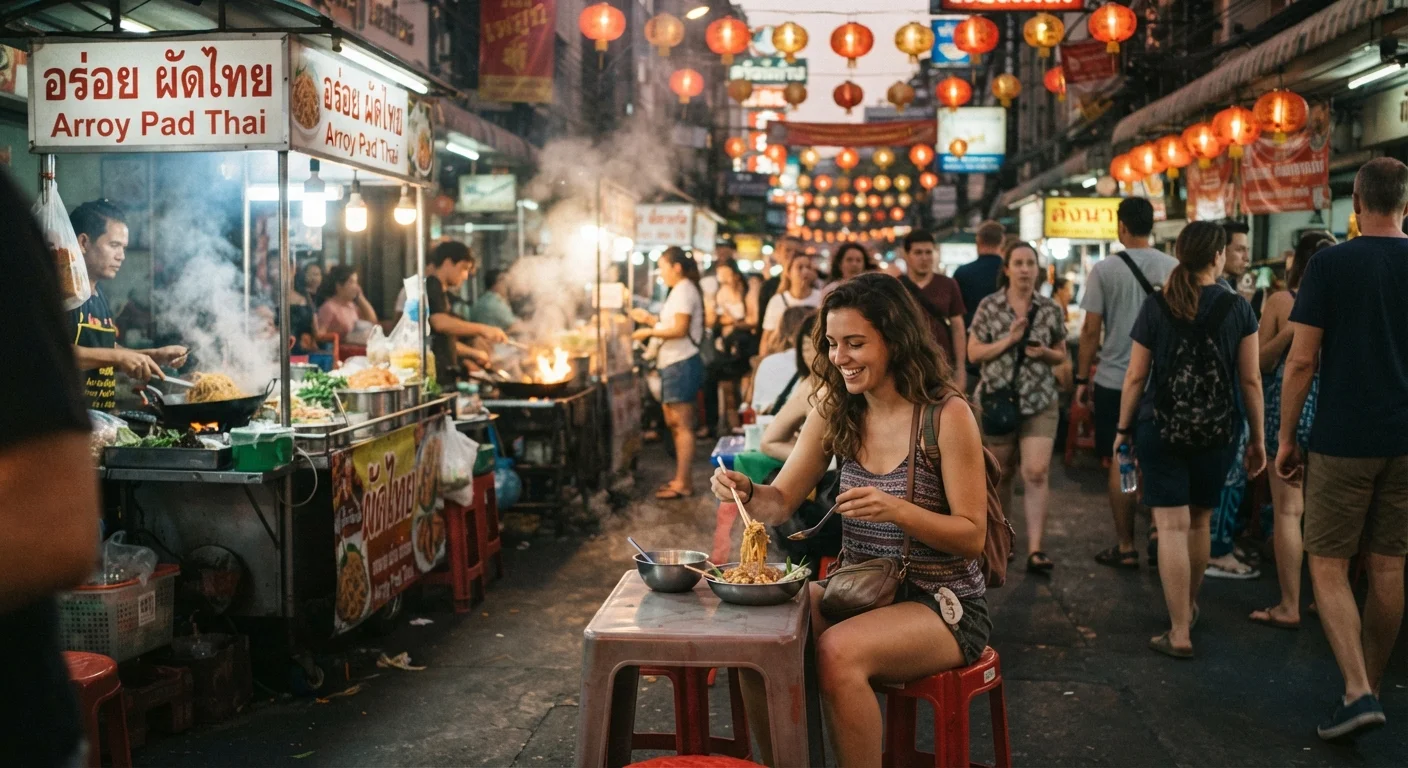
Photo: AnswersSquad.com | Explore Insightful Blogs editorial
Key Takeaways
- Southeast Asia remains one of the most accessible regions for budget travel, but costs vary significantly by country.
- Daily budgets of $20–$40 USD are realistic in lower-cost countries like Cambodia, Vietnam, and Laos.
- Street food and local transport are where your money goes furthest — tourist-facing options cost noticeably more.
- Hidden costs like visa fees, ATM charges, and tourist entry fees can quietly add $5–$15 per day.
- Underrated destinations like Kampot, Pai, and Flores often deliver better value than heavily trafficked hotspots.
What a Daily Budget Actually Covers
The phrase 'Southeast Asia is cheap' is broadly true but imprecise in ways that matter when you're planning with real money. Your dollar stretches furthest in Cambodia, Laos, and rural Vietnam — and least far in Singapore, Bali's tourist corridors, and beachside resorts catering to a Western market.
At the $25–$35 USD/day range in a lower-cost country, here's what that realistically buys you:
- Accommodation: A dorm bed in a clean, well-reviewed hostel, or occasionally a basic private room in a guesthouse off the main strip.
- Food: Three meals a day from street stalls or local canteens — rice dishes, noodle soups, banh mi, pad see ew — at $1–$3 per meal.
- Transport: Shared minivans, local buses, or tuk-tuks for in-town movement. Longer intercity legs may push your daily average up on transit days.
- One paid activity: A temple entry, a cooking class, or a half-day tour — not all three.
For a full breakdown of cost benchmarks by region, see daily budget benchmarks for popular low-cost travel regions.
$25–$35
Realistic daily budget in lower-cost SEA countries (USD)
Covers dorm accommodation, local meals, and basic transport in countries like Cambodia, Laos, and Vietnam; figures are general estimates and vary by location and season.
$3–$6
Typical ATM fee per withdrawal in Southeast Asia
Most locally operated ATMs in the region charge a flat fee per transaction on top of any home bank charges; fees vary by bank and country.
3–5x
Cost multiplier for tourist-facing vs. local restaurants
Meals at restaurants with English menus in tourist areas generally cost several times more than equivalent dishes at local stalls or canteens in the same city.
The Hidden Costs That Erode Your Budget
Budget projections often miss the costs that don't show up on hostel booking sites. These aren't surprises if you know to look for them.
Visa fees are the big one. Vietnam's e-visa, Cambodia's visa on arrival, Thailand's exemptions — each country has its own rules and costs, which change periodically. Always verify entry requirements with official government sources or your country's foreign affairs department before traveling. Budget $25–$50 per country as a rough planning placeholder, not a guarantee.
ATM and currency conversion fees compound quickly. Many Southeast Asian ATMs charge a flat withdrawal fee of $3–$6 per transaction on top of your home bank's foreign transaction fee. Using fewer, larger withdrawals helps — and some banks offer accounts that reimburse foreign ATM fees, which is worth investigating before you go.
Tourist entry fees to heritage sites — Angkor Wat, Luang Prabang temples, certain national parks — can run $20–$37 USD for a single pass. These are worth every dollar for many travellers but need to be in your plan, not treated as an afterthought.
Track Your Spending Daily — Even Loosely
Underrated Destinations That Deliver Better Value
The most-visited spots in Southeast Asia — Phuket, Seminyak, Pai in high season, the Full Moon Party circuit — have tourist economies that have largely priced out the shoestring traveller. You'll find better value one or two steps off that trail.
Kampot, Cambodia remains genuinely low-cost, with a relaxed riverside scene, walkable old French colonial town, and guesthouses charging $8–$15 for a clean private room. It's one of the few places where a week costs less than a weekend in Bangkok's Khao San Road area.
Phong Nha, Vietnam is primarily visited for its cave systems — some of the largest in the world — but accommodation and food in the village remain locally priced. The national park fees add up for multi-day caving, so research which caves fit your budget.
Flores, Indonesia is more expensive to reach than Bali but far cheaper once you're there, with dramatically fewer tourists and access to Komodo National Park. The trade-off is logistics — getting around requires planning. See our guide to the anatomy of a budget trip for how to think through transport dependencies before you commit.
If you're building a realistic spending plan from scratch, building a realistic travel budget from scratch walks through the estimation process step by step.
Where to Spend More — and Where Not To
Shoestring travel doesn't mean being indiscriminate about where you cut costs. Some things genuinely aren't worth skimping on.
Spend more on: Transport safety on overnight legs (a slightly more reputable bus company is worth $5 extra), accommodation security in major cities (lockers, reception presence), and travel insurance — which isn't optional if you're being financially realistic about medical costs abroad.
Spend less on: Food. Eating at places staffed by locals and frequented by locals is almost always the better value and often the better meal. For practical strategies, eating well abroad without spending like a tourist covers how to find those spots in unfamiliar cities.
For a comprehensive overview of first-time planning — visas, transport options, country-by-country cost ranges — the Budget Travel in Southeast Asia complete first-timer's resource is the logical next stop.
“The cost of travel is mostly a function of decisions, not destinations. The same city can cost $20 a day or $120 a day depending on where you sleep and where you eat.”
— Travel on a Budget Editorial Team, Budget travel researchers and writers
Costs, entry requirements, and safety conditions in Southeast Asia change regularly. Always verify visa rules, travel advisories, and local prices through official government sources and your country's foreign affairs department before traveling.
Frequently Asked Questions
The content provided on our blog site traverses numerous categories, offering readers valuable and practical information. Readers can use the editorial team’s research and data to gain more insights into their topics of interest. However, they are requested not to treat the articles as conclusive. The website team cannot be held responsible for differences in data or inaccuracies found across other platforms. Please also note that the site might also miss out on various schemes and offers available that the readers may find more beneficial than the ones we cover.