
Budget Travel in Southeast Asia: A Complete First-Timer's Resource

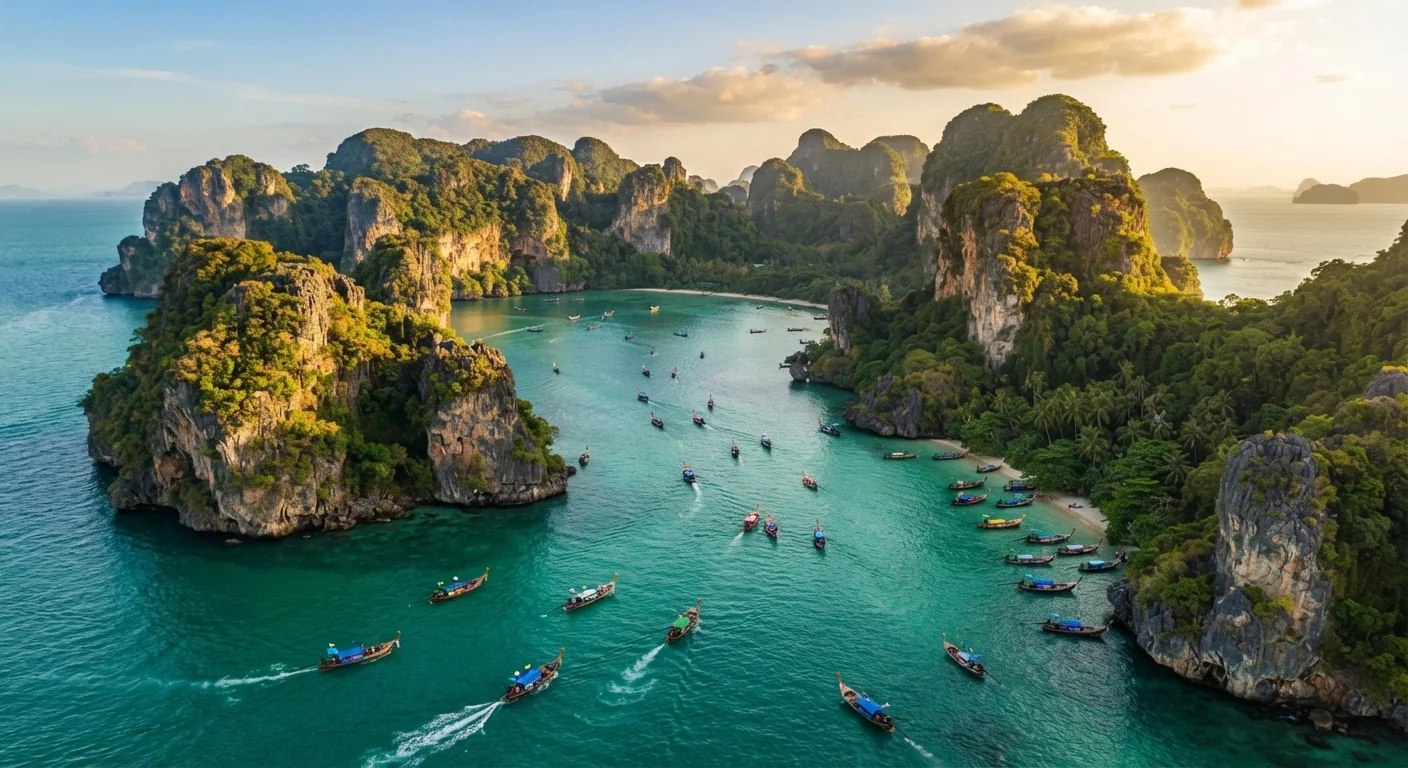
Photo: AnswersSquad.com | Explore Insightful Blogs editorial
Key Takeaways
- Southeast Asia is one of the most accessible budget travel regions, with daily costs potentially under $40 USD in several countries.
- Visa rules vary significantly by nationality and destination — always verify with official embassy or government sources before booking.
- Overland and budget air travel between countries can be very affordable if booked in advance.
- Less-visited destinations like Laos, Cambodia's inland towns, and northern Vietnam often deliver more value than tourist hotspots.
- A realistic budget accounts for transport between cities, entry fees, and health prep — not just food and beds.
- Managing money with low-fee cards and local ATMs is generally the most cost-effective approach across the region.
Why Southeast Asia Works for Budget Travellers
Southeast Asia consistently ranks among the most cost-effective long-haul destinations for travellers from the United States and other high-cost countries. The core reason is purchasing power: in countries like Vietnam, Cambodia, Laos, and Indonesia, local goods and services — meals, guesthouses, local transport — are priced for local incomes, which creates a significant gap versus what Western travellers spend at home.
Beyond price, the region offers extraordinary diversity within a compact geography. You can move between beaches, mountains, ancient temples, and buzzing cities without long-haul flights between each stop. English is widely spoken in tourist areas. And a well-established backpacker infrastructure — from guesthouses to shared shuttle buses — means the logistics are manageable even for first-timers.
To understand how every component of a trip like this fits together, see our guide to the anatomy of a budget trip.
$30–$45
Typical daily budget in Vietnam or Cambodia (USD)
Based on commonly reported ranges from budget travel communities; individual costs vary by travel style and season.
11
Countries in the Southeast Asia region
The ASEAN bloc spans 11 nations, each with distinct visa rules, currencies, and cost profiles.
4–6 weeks
Recommended pre-departure health prep lead time
Travel medicine providers generally advise consulting a clinician at least 4–6 weeks before departure for vaccine timing.
Underrated Destinations Worth Prioritising
The most-visited corridors — Bangkok, Bali, Phuket, Siem Reap — are well-documented. But first-timers who venture slightly off the standard trail often find both better value and more rewarding experiences.
- Luang Prabang, Laos: A UNESCO-listed town on the Mekong with remarkably low guesthouse prices, excellent street food, and a pace that many travellers find restorative. Laos as a whole remains one of the least-touristy countries in the region.
- Kampot, Cambodia: A riverside town near the coast with a growing slow-travel scene. Much cheaper than Siem Reap, with easy access to Bokor National Park and Kep beach.
- Hoi An, Vietnam: Well-known but often underappreciated for how walkable and affordable it remains compared to larger Vietnamese cities, with one of the region's best food scenes.
- Chiang Rai, Thailand: Thailand's northernmost major city is quieter and considerably cheaper than Chiang Mai, with striking temples and easy access to the Golden Triangle.
- Flores, Indonesia: The gateway to Komodo National Park — less crowded and cheaper to base yourself in than Bali, with stunning highland scenery.
If you're comparing Southeast Asia to other budget-friendly long-haul regions, our honest assessment of Georgia as a budget destination offers a useful contrast.
Visas and Entry: What You Need to Know Before You Go
Visa requirements across Southeast Asia vary by your nationality and by destination — and they change. Below are general patterns for U.S. passport holders, but always verify current rules directly with the relevant embassy or your government's official travel portal before booking.
- Thailand
- Visa-exempt for many nationalities for stays up to 30–60 days, depending on current policy. Verify the current allowance before arrival.
- Vietnam
- An e-visa is available for most nationalities and is the most practical option for U.S. travellers. Apply through the official Vietnamese government portal only.
- Cambodia
- An e-visa is available online via the official government site. Avoid third-party agencies charging inflated fees.
- Indonesia
- A Visa on Arrival is available at major entry points including Bali's Ngurah Rai Airport for a fee. Rules vary by entry point.
- Laos and Myanmar
- Requirements and conditions change frequently; consult your government's travel advisory before planning entry.
Visa Rules Change — Always Verify Officially
Work through your full documentation checklist early. Our pre-trip planning checklist for first-time travellers covers passports, insurance, and entry requirements in structured order.
Getting Around: Transport Options and Costs
Transport is often the largest variable in a Southeast Asia budget — and one of the most controllable. The region has layered options at different price and comfort points.
Between Countries and Cities
- Budget airlines: Carriers operating across the region (AirAsia, VietJet, Nok Air, and others) offer intra-regional flights that can be cheaper than overland options if booked several weeks ahead. Factor in baggage fees.
- Overnight buses and trains: A practical way to cover long distances and save on a night's accommodation. Vietnam's north-south rail line is a reliable option used by many travellers.
- Shared shuttles: Minibus shuttles between popular stops (e.g., Chiang Mai to Pai, Siem Reap to Bangkok) are widely available and priced for budget travellers.
Within Cities and Towns
- Ride-hailing apps (Grab is dominant across much of the region) are transparent in pricing and generally safer than hailing unknown taxis.
- Motorbike taxis and tuk-tuks are common for short trips — agree on a price before you board if there's no meter.
- Renting a scooter is popular in places like Bali and northern Vietnam, but carries real risk if you're not an experienced rider. Verify your travel insurance coverage for motorised vehicles before renting.
Daily Cost Ranges and How to Budget Realistically
Cost ranges shift depending on country, travel style, and season. The figures below represent rough general ranges — not guarantees — based on commonly reported traveller experiences. Actual costs will vary.
| Country | Budget Daily Range (USD) | Notes |
|---|---|---|
| Vietnam | $25–$45 | Street food is exceptional value; cities vary widely |
| Thailand | $30–$55 | Islands and tourist hubs push costs higher |
| Cambodia | $25–$40 | USD widely accepted; Siem Reap costs more than rural areas |
| Laos | $20–$35 | Among the most affordable in the region |
| Indonesia (Bali) | $35–$60 | Bali tourist areas are pricier; outer islands cheaper |
These ranges cover a dorm or budget guesthouse bed, meals, local transport, and one or two activities per day. They do not include visa fees, travel insurance, international flights, or large-ticket activities like diving courses or multi-day treks. Build a buffer — a common mistake is budgeting only for the cheapest possible scenario. For a structured approach to trip financials, see our end-to-end walkthrough for planning a first international trip.
Price overland options against budget flights — but only after adding checked baggage fees. A $15 bus ticket often beats a $9 flight once the airline tacks on a $25 bag charge.
Target your arrival in a new city during daylight hours. Navigating unfamiliar streets at night — especially with luggage — is where most minor incidents happen.
Accommodation, Food, and Money Management
Accommodation: Hostels with dorm beds remain the baseline for budget travellers, with private rooms in guesthouses usually available for a modest step up. Booking a few nights in advance in high season (roughly November–February in much of the region) is advisable; flexibility is easier in shoulder months.
Food: Eating from street stalls, local markets, and small family restaurants is where the real value is. A full meal from a Vietnamese pho stall or a Thai market vendor typically costs $1–$3. Tourist-facing restaurants with English menus can cost three to five times more for similar food. Cooking your own meals is rarely practical or cheaper in this region.
Money management: Using a debit card with no or low foreign transaction fees and withdrawing local currency from ATMs is generally the most efficient approach. Currency exchange counters vary widely in rates. Avoid airport exchange booths for large amounts. For a deeper look at managing money on the road, our travel money guide for first-timers covers exchange rates, fees, and card strategy in detail. Cambodia is a special case — U.S. dollars are widely accepted alongside the local riel.
Health, Safety, and Practical Preparations
Health preparation: Recommended vaccinations and health precautions for Southeast Asia vary by destination and individual health history. Consult a travel medicine clinic or your healthcare provider at least 4–6 weeks before departure — some vaccines require multiple doses spaced over time. Hepatitis A and typhoid vaccines are commonly recommended for this region, but your specific needs depend on your itinerary and health status. This is general information only, not medical advice.
Travel insurance: Non-negotiable for a region where a motorbike accident or sudden illness can result in significant medical costs. Ensure your policy covers the activities you plan (e.g., scooter riding, diving). Read the exclusions carefully and check whether emergency evacuation is included. This content is educational — consult your insurance provider and read actual policy documents before purchasing.
Safety basics: Petty theft (bag snatching, phone grabs) is the most common risk in tourist areas. Keep valuables secured, use hotel safes, and be cautious in crowded areas. Respect local laws and customs — what's acceptable in a Western context may be a serious offence locally. Always check your government's official travel advisory for current safety conditions before and during travel.
This article is for general informational and educational purposes only. It does not constitute financial, medical, legal, or insurance advice. Visa rules, entry requirements, costs, and safety conditions change frequently — always verify current information with official government sources, your healthcare provider, and relevant professional advisers before making travel decisions.
The content provided on our blog site traverses numerous categories, offering readers valuable and practical information. Readers can use the editorial team’s research and data to gain more insights into their topics of interest. However, they are requested not to treat the articles as conclusive. The website team cannot be held responsible for differences in data or inaccuracies found across other platforms. Please also note that the site might also miss out on various schemes and offers available that the readers may find more beneficial than the ones we cover.