
Why "Cheap" Doesn't Mean the Same Thing in Every Country

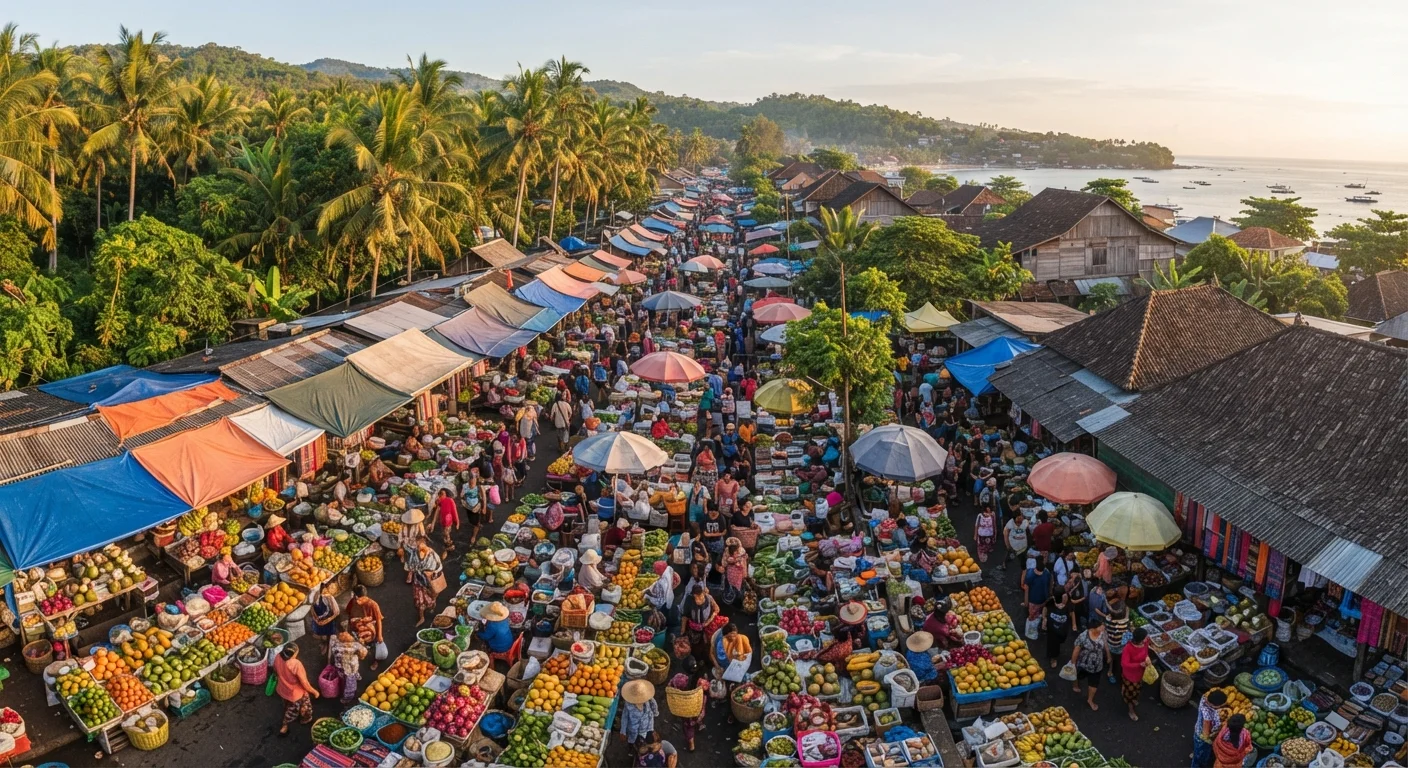
Photo: AnswersSquad.com | Explore Insightful Blogs editorial
Key Takeaways
- A low price tag doesn't automatically mean a destination is affordable for a foreign visitor.
- Tourism pricing often inflates costs well above what locals actually pay.
- Exchange rates and purchasing power parity are two different — and both important — lenses for evaluating cost.
- Local wage levels reveal whether prices that feel cheap to you are genuinely low or simply average for that economy.
- Researching on-the-ground costs, not just flight prices, is essential before deciding a trip is within budget.
The Price You See Is Not the Full Picture
When a travel influencer posts that they lived in Southeast Asia for $30 a day, that number is technically accurate — and nearly useless without context. What counts as "cheap" is shaped by at least three forces that vary by destination: the local cost structure, who the pricing is aimed at, and your own currency's purchasing power in that economy.
Exchange rates are the first thing most travelers check, and for good reason — they determine how far your dollar goes in raw numeric terms. But exchange rates fluctuate and don't capture whether local prices are actually low. A country with a weak currency can still have expensive cities if it's a major tourist hub. Conversely, a destination with a similar exchange rate to home might offer dramatically lower real costs simply because the local economy operates at a different price level.
Understanding this distinction is the first step toward building a travel budget that holds up once you land. For practical next steps before booking, see our checklist on verifying a destination's actual costs before you book.
How Local Wages Reveal True Cost Levels
One underused way to gauge whether a destination is genuinely low-cost: compare local prices to local wages. If a sit-down meal costs the equivalent of two hours of average local wages, it's not actually cheap by that country's standards — you're just benefiting from a currency gap. If the same meal costs a fraction of a local hourly wage, the pricing structure itself is more favorable.
This matters because economies calibrate their price levels around what residents can afford. In countries where median incomes are low, everyday expenses like food, local transport, and neighborhood accommodation tend to reflect that. The gap between what you earn at home and what locals earn creates genuine purchasing power — but only for goods and services that are priced for the local market.
~40–60%
Tourist price premium over local rates
Research on dual pricing in tourism economies suggests visitors commonly pay 40–60% more than locals for comparable goods and services in high-traffic destinations, particularly in food and accommodation.
3–5x
Wage gap between high- and low-income countries
World Bank data consistently shows that median wages in lower-income countries can be three to five times lower than in high-income countries, creating meaningful purchasing power differences for foreign travelers.
20–30%
Seasonal price variation in popular destinations
Accommodation pricing analyses across multiple destinations show that peak-season rates commonly run 20–30% above annual averages, with some high-demand locations exceeding that range significantly.
Tourist-facing services — hotels near major sights, packaged tours, airport taxis — are usually priced for visitors and may not reflect that local cost structure at all. Eating where residents eat, using local transit, and staying in residential neighborhoods rather than tourism corridors is where purchasing power differences actually show up in your spending. Our guide on eating well abroad without spending like a tourist breaks down exactly how to access those lower price tiers.
Tourism Pricing: The Hidden Inflation Layer
Many popular destinations operate a de facto two-tier economy. Locals pay one price; visitors pay another. This dual pricing system appears formally at some national parks, heritage sites, and museums. It also shows up informally in unmarked tourist-area restaurant markups, currency exchange booths with poor rates, and transportation options aimed at travelers who don't know the local alternatives.
Tourism inflation doesn't mean a destination is dishonest — it's an economic reality in places that receive large numbers of higher-income visitors relative to the local wage base. But it does mean that a destination's reputation for being cheap may apply only to travelers who've done enough research to access local-tier pricing.
Research Costs at Multiple Tiers
Seasonality compounds this further. A destination that's genuinely affordable in its off-season may spike in cost during peak visitor months, erasing the price advantage that made it appealing. Understanding when those shifts happen matters as much as knowing average price data. For context on how peak season pricing works across different regions, see what peak season really means by destination.
Building a Realistic Cost Picture Before You Go
The most reliable way to evaluate a destination's real cost is to layer multiple data sources rather than relying on any single number. Average daily cost estimates from travel forums reflect the specific choices of whoever reported them — their accommodation tier, dietary preferences, activity spending — and may be years out of date.
Cost-of-living indexes offer a structural view of price levels, but they're built from local consumption baskets that may not match how a tourist spends. Cross-referencing these with traveler reports, accommodation rates on booking platforms, and local forum discussions gives a more complete picture. For a detailed walkthrough of how to interpret this data honestly, see how to read a country's cost-of-travel data without being misled.
It's also worth recognizing that "cheap" and "good value" aren't the same thing — a principle that applies well beyond travel. The real difference between price and value is worth understanding as a general principle before applying it to any destination budget. What you want is a trip where your spending reflects genuine value — not just a low sticker price that hides higher real costs once you're on the ground.
This article provides general travel information and education only. Prices, wages, exchange rates, and entry requirements change frequently. Always verify costs and conditions through current, official sources before making travel plans or financial commitments.
Frequently Asked Questions
The content provided on our blog site traverses numerous categories, offering readers valuable and practical information. Readers can use the editorial team’s research and data to gain more insights into their topics of interest. However, they are requested not to treat the articles as conclusive. The website team cannot be held responsible for differences in data or inaccuracies found across other platforms. Please also note that the site might also miss out on various schemes and offers available that the readers may find more beneficial than the ones we cover.