
Reading Destination Entry Requirements Without Getting Overwhelmed

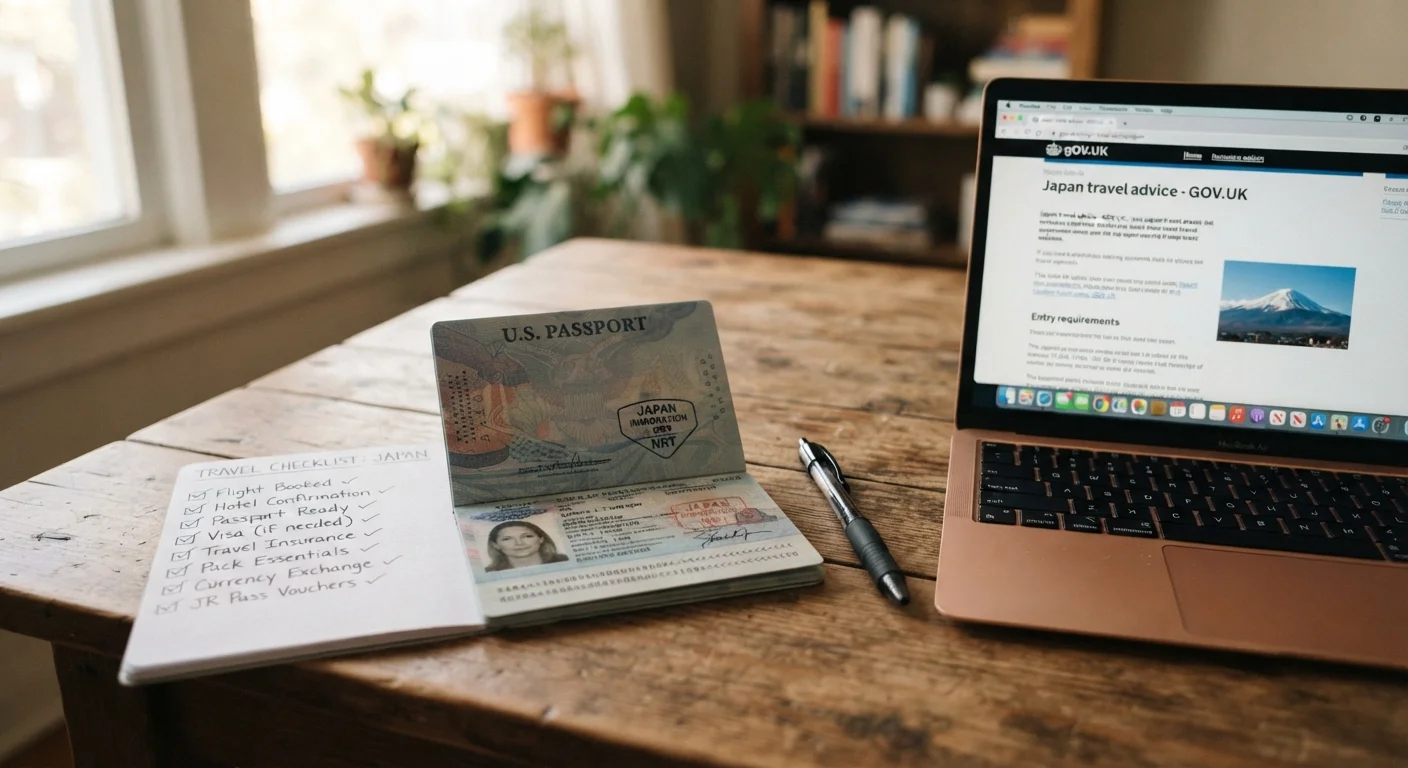
Photo: AnswersSquad.com | Explore Insightful Blogs editorial
Key Takeaways
- Always verify entry requirements through official government sources, not travel blogs or forums.
- Visas, vaccinations, and border rules can change — check again close to your departure date.
- Your passport's expiration date and blank pages matter as much as having a valid visa.
- Entry requirements differ based on your citizenship, not just your destination.
- Health and insurance requirements are part of entry rules, not just a travel courtesy.
Why Entry Requirements Confuse So Many First-Time Travelers
Entry requirements sit at the intersection of international law, public health policy, and bilateral diplomacy — which is why they change more often than most people expect, and why the information scattered across travel forums is frequently out of date. For first-time travelers already juggling flight costs and accommodation, this layer of planning can feel overwhelming.
The core problem is usually not the requirements themselves — it is knowing where to look and how to read what you find. Most countries publish their rules clearly, but the terminology can be unfamiliar and the sources are not always easy to locate without a starting framework.
Before you sit down to research, make sure you have the basics covered. See our pre-trip planning checklist for a broader overview of what to confirm before making any reservations. And if you are still evaluating whether a destination fits your overall budget, the pre-booking cost reality check is worth reading first.
Travel Blogs and Forums Are Not Official Sources
What You Need and Where to Find It
Entry requirements fall into a few predictable categories: visa requirements, passport validity rules, health and vaccination conditions, and supporting documents like proof of accommodation or travel insurance. Once you know what you are looking for, the research becomes more manageable.
What you will need
The tools below are the sources you will use throughout this process.
U.S. Department of State Travel Portal (travel.state.gov)
Official source for U.S. passport holders to look up visa requirements, safety advisories, and entry conditions by country.
Destination Country's Official Immigration or Embassy Website
The authoritative source for the destination's own entry rules, visa categories, and required documentation.
CDC Travelers' Health (wwwnc.cdc.gov/travel)
Lists recommended and required vaccinations and health precautions by destination for U.S. travelers.
IATA Travel Centre
Used by airlines to verify passenger document compliance; useful for cross-checking visa and passport page requirements.
Follow the steps in order — each one builds on the last, and skipping steps is where travelers tend to run into trouble at the border.
Identify which passport you are traveling on
Entry requirements are tied to your citizenship, not your destination. If you hold dual citizenship, the passport you present at the border determines which rules apply. Decide which passport you will use for the trip before doing any research — otherwise you risk looking up the wrong set of requirements entirely.
Check your passport's validity and available pages
Many countries require that your passport remain valid for at least six months beyond your intended departure date from their territory. Some require a minimum number of blank visa pages — typically two to four. Open your passport now and verify both before going further. Renewing a passport can take several weeks, so build this check into your planning early.
Go to your government's official travel advisory portal
For U.S. passport holders, travel.state.gov is the starting point. Search for your destination country and read the full entry requirements section. Note whether a visa is required, whether it must be obtained in advance or is available on arrival, and any additional conditions such as proof of onward travel or sufficient funds.
[tip_callout]Confirm requirements directly with the destination country's official source
Your government's portal summarizes requirements, but the destination country's immigration authority or embassy website is the definitive source. Search for the destination country's official embassy in the U.S. or their national immigration portal. Look for sections labeled "Entry Requirements," "Visas," or "Foreign Nationals." If the destination country has an embassy in Washington, D.C., their site often has a dedicated page for U.S. travelers.
Look up health and vaccination requirements separately
Some countries require proof of specific vaccinations — yellow fever being the most common — as a legal condition of entry, not just a travel health recommendation. Check the CDC Travelers' Health portal (wwwnc.cdc.gov/travel) for your destination. Distinguish between required vaccinations (you may be denied entry or quarantined without proof) and recommended vaccinations (advisable for your health but not enforced at the border).
Note any additional entry conditions and document them
Beyond visas and vaccinations, entry requirements can include: proof of onward or return travel, proof of accommodation, travel insurance with minimum coverage amounts, sufficient funds (sometimes with a minimum daily amount specified), and completed arrival or health declaration forms. Write these down in a single reference document alongside the source URL and the date you checked — this becomes your entry requirements checklist.
Re-verify within two to four weeks of departure
Set a calendar reminder to return to the same official sources 2–4 weeks before your trip. Requirements can change due to diplomatic shifts, public health situations, or policy updates. If anything has changed since your initial research, adjust your documents accordingly. This final check also gives you enough time to act if something unexpected has been added.
After You Have Confirmed Your Requirements
Once you have a clear, documented list of what you need and have gathered the required materials, keep everything organized in one place — physical documents in a dedicated travel folder and digital copies backed up somewhere accessible offline. Airlines and border agents may ask to see documentation before you board and upon arrival.
Entry requirements are just one piece of the pre-departure puzzle. Financial preparation before departure — notifying your bank, understanding foreign transaction fees, and setting a daily budget — is equally important and often left until the last minute. If you are also thinking about how seasonal timing affects your destination, our breakdown of what peak season actually means by region can help you time your trip more strategically.
Requirements Change — Always Verify Before Departure
This article provides general travel information for educational purposes only. Entry requirements, visa rules, vaccination mandates, and border conditions vary by destination and are subject to change. Always verify current requirements with official government sources — including the U.S. Department of State and the destination country's immigration authority — before making travel decisions. This content does not constitute legal or immigration advice.
The content provided on our blog site traverses numerous categories, offering readers valuable and practical information. Readers can use the editorial team’s research and data to gain more insights into their topics of interest. However, they are requested not to treat the articles as conclusive. The website team cannot be held responsible for differences in data or inaccuracies found across other platforms. Please also note that the site might also miss out on various schemes and offers available that the readers may find more beneficial than the ones we cover.