
Macronutrients Decoded: What Carbs, Protein, and Fat Actually Do

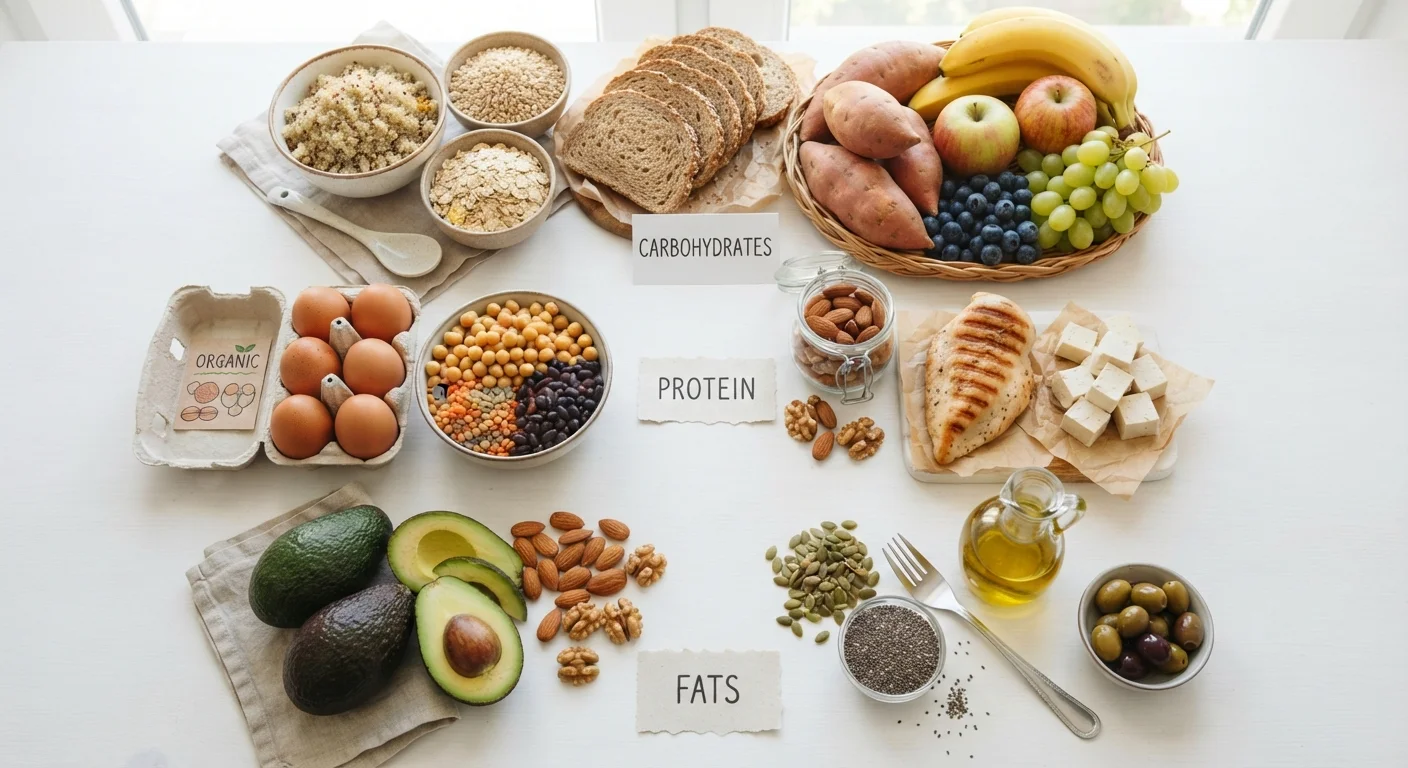
Photo: AnswersSquad.com | Explore Insightful Blogs editorial
Key Takeaways
- All three macronutrients - carbs, protein, and fat - serve distinct and necessary roles in the body.
- Carbohydrates are the body's preferred and most efficient fuel source for daily activity and brain function.
- Protein provides amino acids the body cannot make on its own, essential for muscle repair and immune function.
- Dietary fat supports hormone production, vitamin absorption, and long-term energy storage.
- No single macronutrient is inherently harmful; food quality and overall eating patterns matter more than targeting any one nutrient.
- Consulting a registered dietitian is the best way to understand your individual nutritional needs.
Why Macronutrients Matter
Every food decision you make involves macronutrients, whether you realize it or not. Carbohydrates, protein, and fat are the structural foundation of nearly everything you eat. They don't work as isolated switches you can flip on or off - they work as a system, each playing a role that the others can't fully replace.
A lot of nutrition confusion stems from treating one macronutrient as the villain of the moment. Decades of low-fat messaging gave way to low-carb trends, which gave way to high-protein everything. In practice, established dietary science suggests that all three macronutrients belong in a balanced diet. What varies is the mix - and that depends on your individual health, activity, and life stage. For a contrast with the smaller-scale nutrients that work alongside macros, see our guide to vitamins and minerals.
45-65%
Recommended daily calories from carbohydrates
According to the Dietary Guidelines for Americans, this range applies to most healthy adults as part of a balanced eating pattern.
10-35%
Recommended daily calories from protein
The Dietary Reference Intakes established by the National Academies of Medicine set this range for healthy adults, reflecting the wide variation in individual needs.
20-35%
Recommended daily calories from fat
This range, per the Dietary Reference Intakes, reflects the amount of fat needed to support vitamin absorption, hormone function, and overall health.
Carbohydrates: Your Body's First Choice for Fuel
Carbohydrates break down into glucose, which is the primary energy currency your cells use - especially your brain and muscles during activity. When you eat carbs, your digestive system converts them into glucose, which enters the bloodstream and gets delivered to tissues that need it. Excess glucose is stored in the liver and muscles as glycogen for later use.
Not all carbohydrates behave the same way. Simple carbohydrates (like those in sugary drinks or white bread) digest quickly, producing faster spikes in blood glucose. Complex carbohydrates (like those in oats, beans, and whole grains) digest more slowly, providing more sustained energy and keeping you fuller longer. Fiber - technically a carbohydrate your body can't fully digest - adds another layer of benefit, supporting digestion and gut health. Our article on dietary fiber goes deeper on why it matters.
Protein: Building Blocks the Body Can't Make Alone
Protein is made up of smaller units called amino acids. Your body can produce some amino acids on its own, but nine - called essential amino acids - must come from food. This is why varied protein sources matter: different foods provide different amino acid profiles.
Protein's most well-known role is muscle repair and growth, but it does far more than that. It's central to immune function (antibodies are proteins), enzyme production, hormone synthesis, and tissue maintenance throughout the body. Protein also tends to be the most satiating macronutrient, meaning it keeps you feeling full longer than an equal number of calories from carbs or fat.
Animal proteins - meat, fish, eggs, dairy - typically contain all essential amino acids in one source. Plant proteins - legumes, tofu, nuts, whole grains - often need to be combined across meals to cover the full spectrum, though a well-planned plant-based diet can meet protein needs without issue. For a look at common gaps in protein intake and meal timing, see common nutrition blind spots.
Focus on Food Quality, Not Just Macros
Fat: More Than Just Stored Energy
Fat has a reputation problem it doesn't fully deserve. While it's calorie-dense - providing more than twice the energy per gram compared to carbs or protein - it's also essential. Fat enables your body to absorb fat-soluble vitamins (A, D, E, and K), which cannot be taken up without it. It supports cell membrane structure, brain health, and the production of key hormones.
Dietary fats fall into a few broad categories. Unsaturated fats - found in olive oil, avocados, nuts, and fatty fish - are generally associated with favorable health outcomes in the research literature. Saturated fats - found in red meat, full-fat dairy, and some tropical oils - are typically recommended in moderation by most major health guidelines. Artificial trans fats, largely phased out of the food supply in the US, are widely considered harmful even in small amounts.
Fat also slows digestion, contributing to longer-lasting fullness after meals - a practical benefit worth noting when you're thinking about how to structure what you eat. Understanding how fats and other macronutrients are labeled on packaged food becomes much clearer once you know how to read a nutrition label.
How the Three Work Together
In real meals, macronutrients rarely show up in isolation. A bowl of lentil soup contains carbohydrates, protein, and some fat together. That combination slows digestion, stabilizes energy, and provides nutrients that support each other's absorption. The idea of eating macros in strict ratios oversimplifies how nutrition actually functions in daily life.
Whole foods tend to come packaged with natural combinations of macros alongside fiber, vitamins, and minerals - another reason food quality often matters more than nutrient ratios alone. Our article on whole foods vs. processed foods explores how food processing affects this balance.
If you want to understand what you're eating more precisely, learning to read food labels is a practical next step - see our guide to reading nutrition labels for a clear breakdown.
This article is for general informational purposes only and is not a substitute for professional medical or dietary advice. Consult a qualified healthcare provider or registered dietitian for guidance tailored to your individual health needs.
Frequently Asked Questions
The content provided on our blog site traverses numerous categories, offering readers valuable and practical information. Readers can use the editorial team’s research and data to gain more insights into their topics of interest. However, they are requested not to treat the articles as conclusive. The website team cannot be held responsible for differences in data or inaccuracies found across other platforms. Please also note that the site might also miss out on various schemes and offers available that the readers may find more beneficial than the ones we cover.