
The Complete Apartment Gardening Playbook

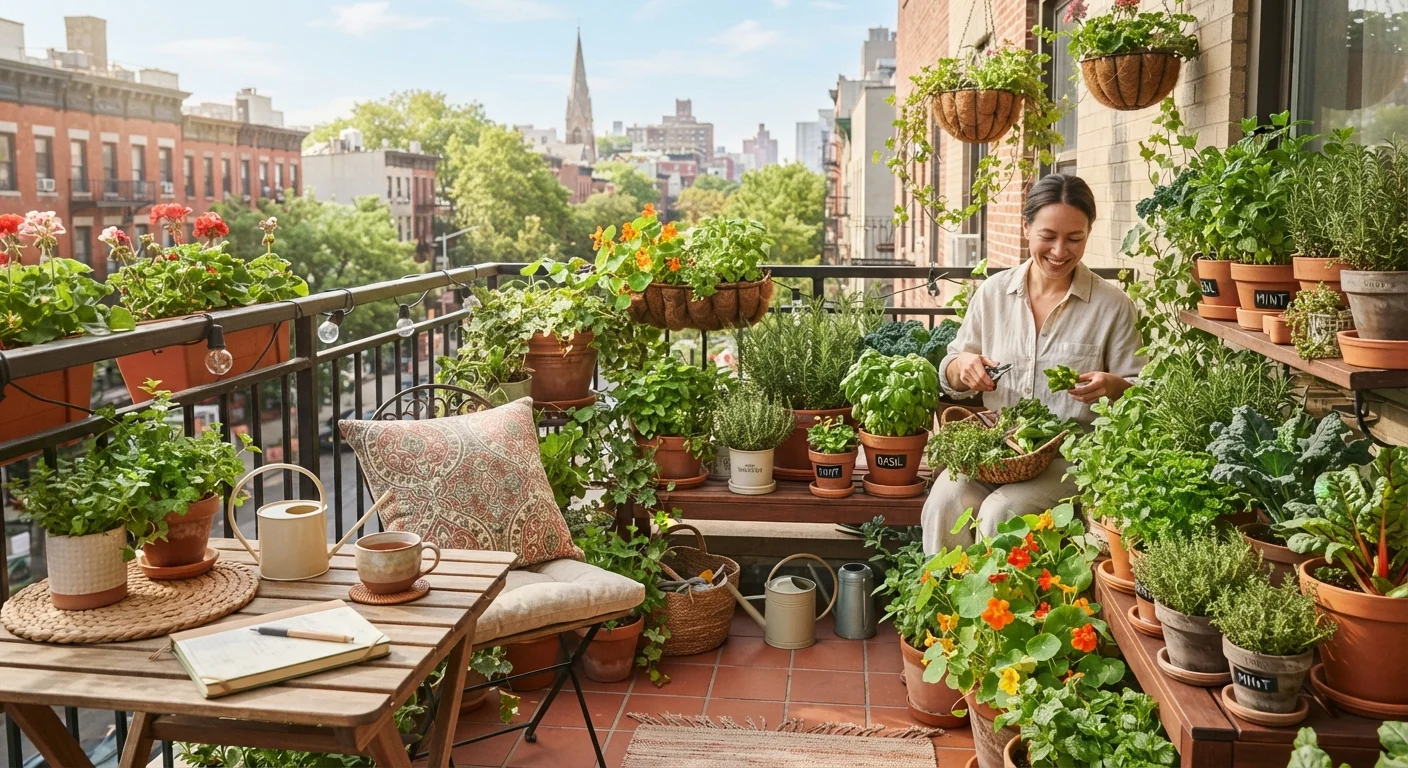
Photo: AnswersSquad.com | Explore Insightful Blogs editorial
Key Takeaways
- Your apartment's light conditions are the single most important factor when choosing plants.
- Almost any plant that fits indoors can thrive in a container with the right soil and drainage.
- Herbs and leafy greens are among the easiest and most rewarding crops for beginners.
- A quick space assessment before buying anything saves time, money, and plant losses.
- Consistent, moderate watering beats both neglect and overwatering for long-term plant health.
Why Apartment Gardening Is More Achievable Than You Think
Many renters assume that without a yard, meaningful gardening is off the table. That assumption is wrong, and it's keeping people from one of the most rewarding low-cost hobbies available to city dwellers. Apartment gardening - whether on a windowsill, balcony, or under a grow light in a dim studio - is a legitimate, productive practice that millions of urban residents rely on for fresh herbs, cleaner air, and a genuine connection to living things.
The barrier to entry is lower than most people expect. You do not need specialized knowledge, expensive equipment, or a green thumb. What you need is an honest read of your space, a handful of supplies, and a willingness to learn from the plants themselves. This guide walks you through every stage, from the first light assessment to harvesting food from your tenth-floor balcony.
Start With One Plant, Not Ten
Assessing Your Space: Light, Air, and Square Footage
Before you buy a single plant, run through a quick environmental audit. The three variables that matter most are light, airflow, and available square footage - and light is the most important of the three by a significant margin.
Reading Your Light
Face direction tells you a lot. South-facing windows receive the most consistent sun throughout the day in the Northern Hemisphere. East-facing windows offer gentle morning light, ideal for plants that prefer indirect exposure. West-facing windows get strong afternoon sun. North-facing windows receive the least light and suit only shade-tolerant species.
Before purchasing any plant, hold a piece of white paper in the spot where it will live. If the shadow is sharp, you have bright light; fuzzy means indirect; barely visible means low light.
Lift your pot before and after watering to feel the weight difference - water when the pot feels noticeably light, not on a fixed schedule.
Airflow and Temperature
Most houseplants prefer temperatures between 60°F and 80°F and dislike cold drafts from windows or heating vents blowing directly on leaves. Adequate airflow reduces humidity-related fungal problems without causing stress from sudden temperature swings.
Once you have a sense of your light and climate conditions, review the Apartment Garden Setup Checklist before making any purchases - it helps you avoid common early mistakes around drainage and space planning.
Choosing the Right Plants for Your Setup
Matching a plant to your actual conditions - rather than the conditions you wish you had - is the decision that separates thriving apartment gardens from frustrating ones. Here is a practical breakdown by light level:
- Bright direct light (4+ hours of sun): Herbs like basil, rosemary, and thyme; succulents and cacti; cherry tomatoes in south-facing windows.
- Bright indirect light: Pothos, snake plants, peace lilies, ZZ plants, and most tropical foliage houseplants.
- Low light: Cast iron plant, dracaena, Chinese evergreen, and most ferns.
If your goal is to grow food, focus initially on herbs and leafy greens - they require less light and space than fruiting crops and deliver fast, satisfying results. Chives, mint, lettuce, and spinach are forgiving first choices that tolerate occasional inconsistent care.
80%
Of houseplants that die are killed by overwatering
Overwatering is consistently cited by horticulturalists as the leading cause of indoor plant death, outpacing neglect and pests combined.
6+ hours
Daily direct sunlight needed by most fruiting vegetables
University extension programs generally recommend a minimum of six hours of direct sun for crops like tomatoes and peppers to produce meaningful yields.
18-24 inches
Minimum container depth for root vegetables
Shallow pots restrict root development; most gardening guides recommend at least 18 inches of depth for carrots and similar crops.
Containers, Soil, and Drainage Basics
The physical setup of your containers is where many beginners make preventable mistakes. The right pot and soil combination is what keeps plants healthy between waterings.
Drainage Is Non-Negotiable
Pot Materials
Terracotta pots are porous, which means they dry out faster - useful for succulents and Mediterranean herbs that prefer drier soil. Plastic and glazed ceramic pots retain moisture longer, making them better suited to ferns, tropical plants, and frequent-forgetting waterers. Size matters too: a pot that is significantly larger than the plant's root ball holds excess moisture and promotes rot.
Potting Mix vs. Garden Soil
Never use garden soil in containers. It compacts, blocks drainage, and introduces pests. Use a premixed potting medium labeled for container or indoor use. For succulents and cacti, look for a mix with added perlite or coarse sand for faster drainage. For vegetables, a mix formulated for edibles or kitchen gardens provides appropriate nutrients.
Watering, Feeding, and Ongoing Care
Consistent, attentive care - not complex intervention - keeps apartment plants healthy long-term. Most issues beginners encounter, including yellowing leaves, wilting, and root rot, trace back to watering habits.
Grow Lights Are a Legitimate Option
Watering
The most reliable rule: check before you water. Push your finger an inch into the soil. If it feels moist, wait. If it feels dry, water thoroughly until it drains from the bottom. Then wait until the top inch dries again before repeating. Adjust frequency seasonally - most plants need less water in winter when growth slows.
“Container gardening is one of the most accessible forms of horticulture - the limitations of space often push gardeners toward greater creativity and a deeper understanding of each plant's individual needs.”
— Extension Horticulture Educator, Land-grant university cooperative extension program
Fertilizing
Potting mix nutrients deplete over time. A balanced, diluted liquid fertilizer applied monthly during the active growing season (spring through early fall) supports steady growth without burning roots. Avoid fertilizing during winter dormancy - plants are resting and cannot process it effectively.
Taking It Further: Growing Food in Your Apartment
Once you have a handle on basic plant care, growing edible crops is a natural next step that adds genuine practical value to the hobby. Herbs are the easiest starting point: a pot of basil on a sunny windowsill or a cluster of chives near the kitchen sink can replace a surprising portion of what you would otherwise buy at the grocery store.
For renters with outdoor access, balcony food gardens unlock considerably more potential. Containers filled with compact tomato varieties, salad greens, radishes, and dwarf peppers can produce real harvests across a growing season. Our guide on growing food on a balcony covers which crops actually work in small outdoor spaces and how to set them up for reliable results.
If you are thinking about what this hobby costs relative to what you gain - fresh produce, improved air quality, reduced stress - it fits naturally into a broader approach to spending intentionally. The foundational money habits that help with saving also apply here: start small, reinvest results, and scale gradually rather than all at once.
The most important thing is simply to begin. Pick one plant that suits your light, give it a proper pot with drainage, water it thoughtfully, and pay attention. Everything else in this playbook becomes intuitive once you have that first living relationship with a plant under your care.
The content provided on our blog site traverses numerous categories, offering readers valuable and practical information. Readers can use the editorial team’s research and data to gain more insights into their topics of interest. However, they are requested not to treat the articles as conclusive. The website team cannot be held responsible for differences in data or inaccuracies found across other platforms. Please also note that the site might also miss out on various schemes and offers available that the readers may find more beneficial than the ones we cover.