
Growing Food on a Balcony: What Actually Works in a Small Outdoor Space

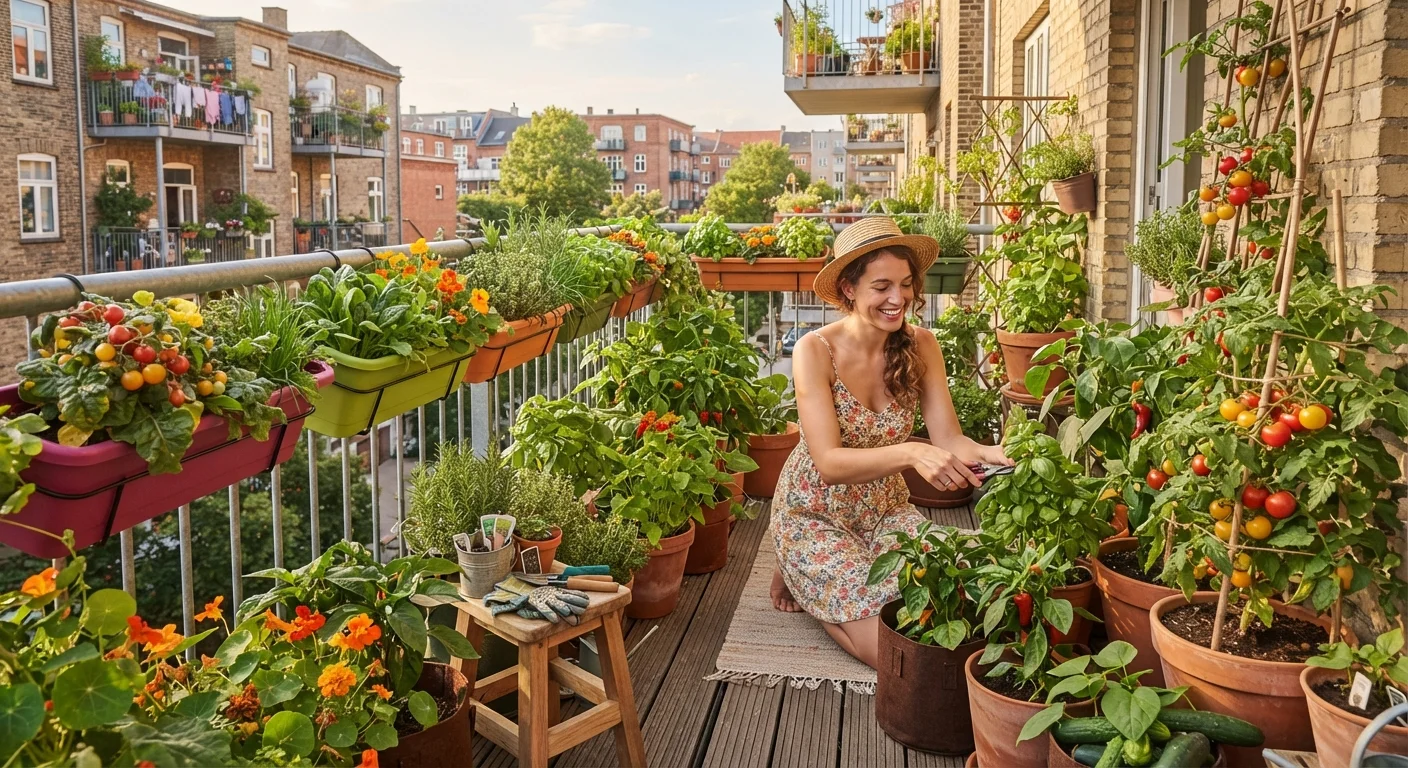
Photo: AnswersSquad.com | Explore Insightful Blogs editorial
Key Takeaways
- Most balconies get enough sunlight to grow herbs, salad greens, and compact vegetables successfully.
- Container choice and drainage matter more than garden size when growing food outdoors.
- Crops like cherry tomatoes, lettuce, radishes, and herbs are reliable performers in small spaces.
- Vertical space and railing planters can meaningfully expand your growing area without adding floor clutter.
- Consistent watering and a quality potting mix are the two biggest factors in container crop success.
Why Balcony Food Gardening Works Better Than You'd Expect
A lot of urban renters assume you need a yard to grow meaningful food. In practice, a balcony with decent sunlight can produce a reliable stream of salad greens, herbs, and small fruits through the warmer months. Container gardening has been refined over decades, and the plant varieties, soil products, and container designs available today are genuinely well-suited to small-space growing.
The learning curve is real but short. Your first season is mostly observation - figuring out where light falls, how fast your containers dry out, and which crops suit your conditions. The beginner's guide to apartment gardening covers the fundamentals of soil, containers, and light if you're starting completely from scratch.
Check Your Lease Before You Start
Once you understand your space, growing food on a balcony becomes a low-effort weekly habit rather than a demanding project. The steps below give you a clear path from assessment to first harvest.
Setting Up Your Balcony Garden
Good setup makes everything easier. Before you plant anything, gather what you need and organize your space so watering and harvesting are genuinely convenient.
Potting mix (not garden soil)
Provides the lightweight, well-draining growing medium that container crops need to avoid waterlogging.
Containers with drainage holes
Allows excess water to escape, preventing root rot in vegetables and herbs.
Railing planters
Hook over balcony railings to add growing space without using any floor area.
Slow-release granular fertilizer
Feeds container plants steadily over weeks, reducing the need for frequent liquid feeding.
Watering can or hose with gentle nozzle
Delivers water evenly without displacing soil or damaging seedlings.
Drip saucers
Catch drainage water to protect balcony surfaces and stay considerate of neighbors below.
Vertical planter or stackable tower
Multiplies growing spots by using wall or vertical space instead of floor area.
What you will need
Assess your sunlight and microclimate
Before buying a single seed, spend a day observing your balcony. Note which areas get direct sun and for how long. South- and west-facing balconies typically receive the most light; north-facing ones are better suited to shade-tolerant crops like lettuce and herbs. Also take note of wind - upper-floor balconies can be surprisingly exposed, which dries soil faster and can stress plants.
Choose the right containers
Match container size to what you're growing. Herbs do fine in 6-8 inch pots. Lettuce and radishes thrive in wide, shallow troughs at least 8 inches deep. Cherry tomatoes and peppers need at least a 5-gallon container - 10 gallons is more forgiving. Every container must have drainage holes. Avoid using decorative pots without holes, or repot plants into a drilled container before placing them outside.
Fill with quality potting mix
Never use soil dug from a garden or yard - it compacts in containers and can introduce pests. Use a potting mix labeled for containers or vegetables. For heavy feeders like tomatoes, mix in a slow-release granular fertilizer at the rate listed on the package. Place drip saucers under every pot to capture runoff and protect the balcony surface.
Select crops suited to your conditions
Reliable balcony crops for beginners include:
- Cherry tomatoes - compact varieties perform well in 5-10 gallon containers with 6+ hours of sun
- Lettuce and salad greens - fast-growing, tolerant of partial shade, and can be cut-and-come-again
- Radishes - ready in as little as three weeks, ideal for learning the harvest cycle
- Herbs - basil, parsley, chives, and mint are consistent producers; see our windowsill herb guide for deeper detail
- Dwarf peppers and chilies - compact and productive in sunny spots
- Green onions and garlic chives - among the lowest-maintenance options available
Use vertical space strategically
Floor space on a balcony fills up fast. Railing planters, wall-mounted pocket planters, and stackable towers let you grow more without cluttering the area. Herbs, strawberries, and lettuce are especially well-suited to vertical setups. For more ideas on renter-friendly vertical systems, the vertical gardening guide covers what's practical without causing damage.
Establish a watering routine
Containers dry out faster than in-ground beds, especially on sunny or windy balconies. Check soil moisture daily by pressing a finger an inch into the mix - water when it feels dry at that depth. Most vegetable containers need watering every one to two days in warm weather. Water thoroughly until it runs from the drainage holes, then let the soil approach dryness again before the next watering.
Feed regularly and monitor plant health
Container plants exhaust nutrients faster than garden beds because frequent watering flushes the soil. If you used a slow-release fertilizer at planting, supplement with a liquid feed every two to three weeks once plants are actively growing. Watch for yellowing leaves, leggy growth, or wilting that doesn't resolve after watering - these often signal a nutrition or light problem that's easier to fix early.
Start Small, Then Expand
For ongoing care through seasonal changes - including what to do when temperatures drop or light shifts - the year-round apartment garden guide is a practical next step once your balcony garden is established. And if you want to go deeper on the full arc from setup to harvest, The Complete Apartment Gardening Playbook covers every stage in one place.
Weight Limits on Balconies Are Real
The content provided on our blog site traverses numerous categories, offering readers valuable and practical information. Readers can use the editorial team’s research and data to gain more insights into their topics of interest. However, they are requested not to treat the articles as conclusive. The website team cannot be held responsible for differences in data or inaccuracies found across other platforms. Please also note that the site might also miss out on various schemes and offers available that the readers may find more beneficial than the ones we cover.