
Apartment Gardening

Keeping an Apartment Garden Healthy Year-Round

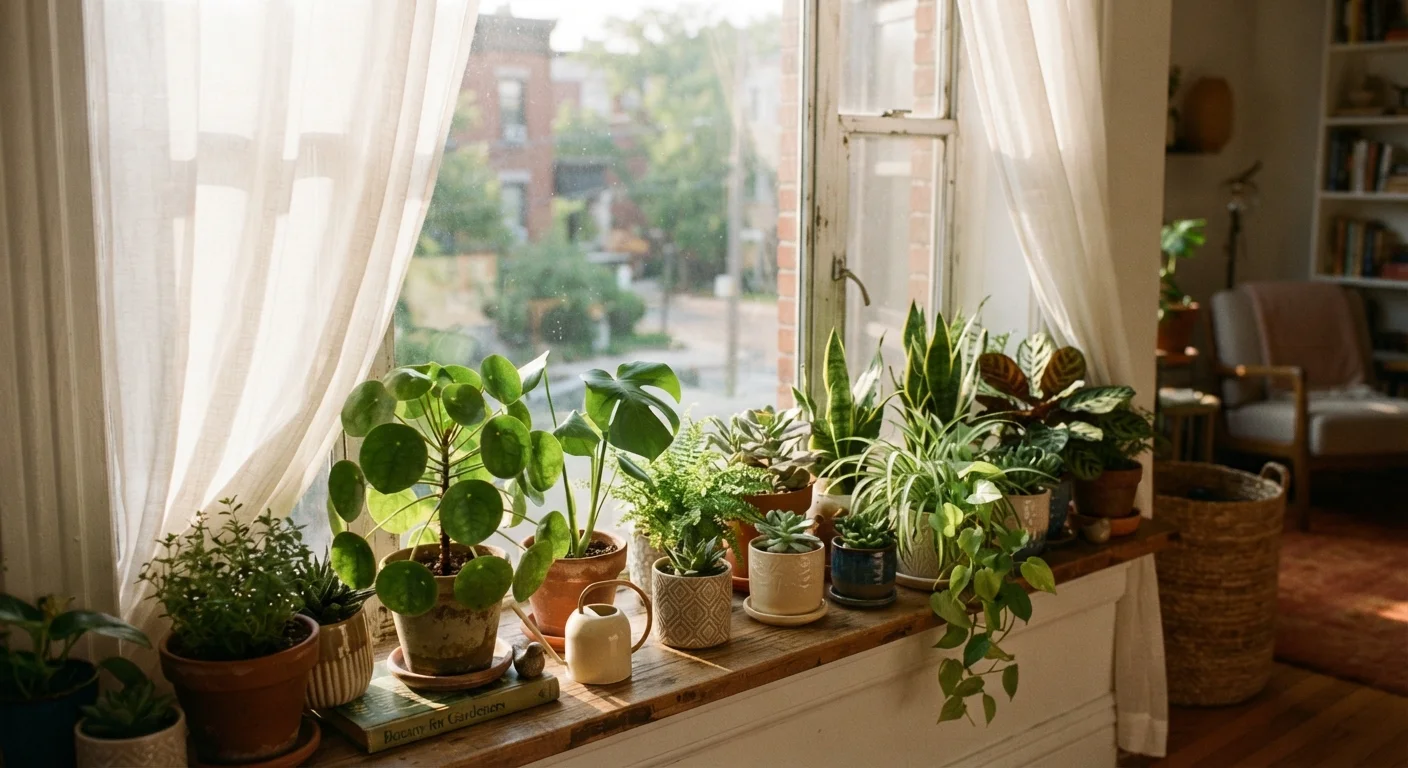
Keeping an Apartment Garden Healthy Year-Round

Photo: AnswersSquad.com | Explore Insightful Blogs editorial

Seasonal shifts affect indoor plants more than most renters realise. Learn the habits and routines that keep container gardens thriving.

Key Takeaways

  • Seasonal light changes indoors require you to reposition plants as the sun angle shifts throughout the year.
  • Watering frequency should be adjusted by season, not by a fixed schedule — soil feel is your best guide.
  • Most apartment plants slow their growth in winter and need less fertilizer, not more.
  • Humidity and temperature consistency matter as much as light and water for long-term plant health.
  • A simple monthly check-in routine catches most problems before they become irreversible.

Why Seasons Hit Apartment Plants Harder Than You'd Think

Most renters set up their plants once and assume the arrangement is permanent. But the light streaming through your windows in July is dramatically different from what reaches those same pots in December. The sun sits lower in winter, meaning south-facing windows deliver far less intensity and duration — a shift that can quietly stress plants over weeks. If you're not sure how your window orientation affects what grows there, our guide on how window direction shapes light exposure breaks this down clearly.

Indoor heating systems compound the problem. Forced-air heat drops humidity to levels plants struggle with, and placing pots directly above or below vents creates localized stress — dry, cracked soil on top, cold drafts at root level. Recognizing these environmental shifts is the first step toward building a care routine that actually adapts.

Core Practices for Year-Round Health

Sustainable indoor gardening isn't about doing more — it's about doing the right things at the right time. These habits address the root causes of most indoor plant decline.

1

Reposition plants seasonally to follow available light

As the sun's angle changes between seasons, the quality and duration of light through each window shifts significantly. A plant thriving near a west-facing window in summer may need to move closer or to a south-facing window by November. Failing to adjust position is one of the most common causes of gradual indoor plant decline.
Example: Move a pothos or peace lily from a shaded corner to within three feet of a south-facing window in late October, then reassess in March as days lengthen again.
2

Water by soil feel, not by calendar

Plants absorb water much more slowly in winter when growth slows, so a watering schedule that worked in August will likely overwater the same plant in January. Overwatering is the leading cause of root rot in container plants. Checking soil moisture at an inch or two below the surface before watering gives you real information rather than guesswork.
Example: Press a finger an inch into the potting mix — if it feels damp, wait two to three more days before checking again, regardless of when you last watered.
3

Reduce or pause fertilizing during low-growth months

Most houseplants slow their metabolic activity in winter, meaning they cannot use added nutrients effectively. Fertilizing at the same rate year-round risks salt buildup in the soil, which damages roots over time. Scaling back from fall through early spring aligns feeding with the plant's actual needs.
Example: If you fertilize monthly in spring and summer, drop to every six to eight weeks in autumn and skip fertilizing entirely through the coldest months unless the plant is visibly active.
4

Add humidity where heating systems dry out the air

Forced-air heating can drop indoor relative humidity well below what tropical houseplants prefer. Chronic low humidity causes leaf tip browning, increased pest vulnerability, and slower growth. Simple interventions can counteract this without major investment.
Example: Group plants together so they benefit from each other's transpiration, or place a shallow tray of water and pebbles beneath pots to create a small zone of higher humidity around them.
5

Inspect plants monthly for early signs of pests and disease

Pests like fungus gnats, spider mites, and scale insects establish slowly and are far easier to manage when caught early. Monthly inspections of leaf undersides, soil surface, and stems let you intervene before an infestation spreads to neighboring plants.
Example: During your monthly check, lift leaves and look at their undersides with good light — sticky residue, fine webbing, or tiny moving dots are early warning signs worth acting on immediately.

Quick Wins You Can Act on Today

If your plants are already showing stress — yellowing leaves, leggy stems, dry or soggy soil — a few immediate actions can stop further decline. If you're curious why plants keep struggling despite your efforts, see our honest look at why indoor plants really die.

medium Rotate every pot a quarter turn so all sides of the plant receive roughly equal light exposure over time.
high Check your three most stressed-looking plants for drainage issues right now — lift them and confirm water flows freely from the drainage hole.
high Move any plant currently sitting directly above or below a heating or air-conditioning vent to a less turbulent spot.
medium Wipe the leaves of large-leafed plants with a damp cloth to remove dust and improve light absorption.

Building a Maintenance Rhythm That Sticks

The most successful apartment gardeners treat plant care like any other home maintenance task: scheduled, brief, and consistent. A monthly walk-through — checking soil moisture, inspecting leaves for pests, rotating pots, and wiping dust from broad leaves — takes under 15 minutes and prevents most problems.

A Note on Winter Fertilizing

It can be tempting to fertilize struggling winter plants in hopes of reviving them, but this often makes things worse. Nutrient buildup in cold, slow-draining soil can scorch roots. If a plant looks pale or limp in winter, the cause is almost always light or watering — not nutrient deficiency. Address those first before reaching for fertilizer.

Dust buildup on leaves is a genuinely underappreciated issue. A thick layer of particulate matter reduces a plant's ability to absorb light, which compounds the light deficits already present in most apartments. A damp cloth once a month makes a measurable difference.

For a broader foundation on container gardening fundamentals — from choosing the right soil to understanding drainage — our container gardening vocabulary guide is a useful reference to keep handy.

Home Setup 101 Editorial Team

AnswersSquad.com | Explore Insightful Blogs

Home Setup 101 Editorial Team is the collective byline for our editorial team and contributor network. Articles published under this byline or an editorial pen name are researched, written, and reviewed according to our editorial standards for clarity, consistency, and independence before publication.

Furnishing BasicsHome MaintenanceApartment Gardening
View author profile

The content provided on our blog site traverses numerous categories, offering readers valuable and practical information. Readers can use the editorial team’s research and data to gain more insights into their topics of interest. However, they are requested not to treat the articles as conclusive. The website team cannot be held responsible for differences in data or inaccuracies found across other platforms. Please also note that the site might also miss out on various schemes and offers available that the readers may find more beneficial than the ones we cover.