
North-Facing Windows vs. South-Facing Windows for Indoor Plants

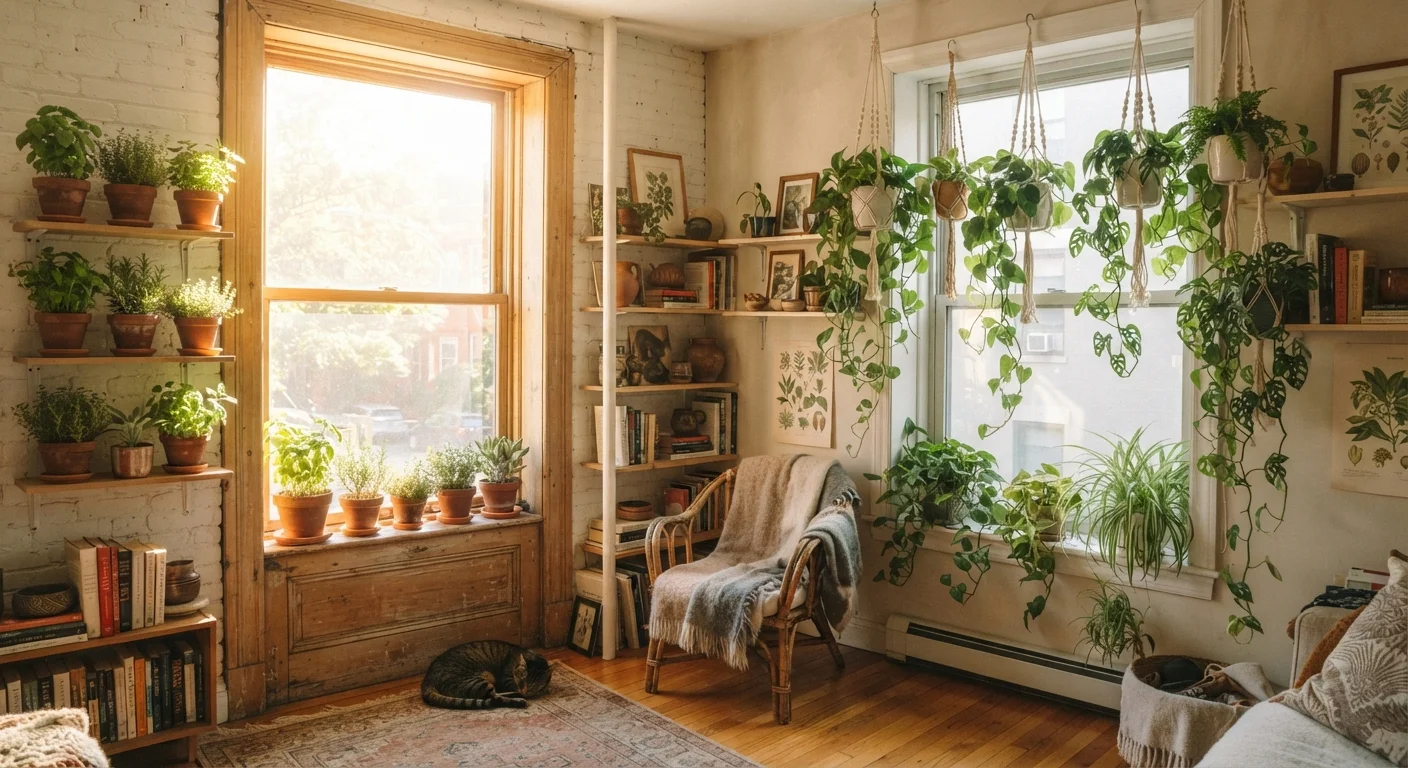
Photo: AnswersSquad.com | Explore Insightful Blogs editorial
Key Takeaways
- North-facing windows receive indirect light and suit shade-tolerant plants like pothos, ferns, and peace lilies.
- South-facing windows deliver the most direct sunlight in the Northern Hemisphere, supporting sun-loving herbs and succulents.
- Matching plant needs to your window orientation prevents the most common indoor gardening failures.
- Seasonal changes affect light levels at both exposures - plants may need repositioning in winter.
- Supplemental grow lights can compensate when your window orientation doesn't match the plants you want to grow.
Why Window Direction Matters More Than You Think
When new plant owners lose a houseplant, they often blame overwatering or forgetting to water. But a less obvious culprit is mismatched light. The direction your window faces determines how much light enters, when during the day it arrives, and how intense it is - factors that are as important as soil and water combined.
In the Northern Hemisphere (which includes the contiguous United States), the sun travels across the southern half of the sky. That single fact drives almost everything about indoor light quality. Once you understand what each orientation delivers, you can stop guessing and start placing plants with intention. If you're completely new to indoor growing, our beginner's guide to apartment gardening covers all the foundational concepts alongside light basics.
| Criterion | North-Facing Windows | South-Facing Windows |
|---|---|---|
| Direct sunlight | None (indirect only) | 6+ hours daily |
| Light intensity | Low to moderate | High |
| Consistency throughout day | Very consistent | Peaks midday |
| Winter light drop | Significant | Moderate; sun angle improves |
| Risk of leaf scorch | Very low | Moderate in summer |
| Suited plant types | Ferns, pothos, ZZ plant, peace lily | Herbs, succulents, cacti, citrus |
| Supplemental lighting needed | Often helpful in winter | Rarely needed |
North-Facing Windows: Steady, Gentle, Indirect Light
A north-facing window never receives direct sunlight in the Northern Hemisphere. Instead, it offers diffuse, ambient light - consistent throughout the day but always low in intensity. In practical terms, this means a north window is rarely bright enough to cast a hard shadow, and light levels drop further during winter months as the sun's arc shortens.
That might sound discouraging, but many popular houseplants evolved on tropical forest floors where they were sheltered from direct sun by a dense canopy above. Species like pothos, heartleaf philodendron, peace lily, Boston fern, and ZZ plant genuinely prefer indirect light and can struggle or scorch if moved to a south-facing sill. For these plants, north-facing windows aren't a limitation - they're ideal.
One thing to watch: during winter, even shade-tolerant plants may slow their growth noticeably at a north window. Rotating them slightly or supplementing with a modest grow light can keep them healthy. Our deep dive on low-light plants separates genuine shade survivors from plants that are merely marketed as low-light tolerant.
~10x
Light intensity difference indoors vs. outdoors
Research in horticultural science consistently shows indoor light levels can be ten times lower than outdoor ambient light, even near bright windows.
6+ hrs
Daily direct sun a south window can provide
South-facing windows in US latitudes typically receive the most sun hours of any orientation, especially outside of winter months.
~50%
Light reduction from a sheer curtain
Standard sheer curtains can reduce transmitted light by roughly half, meaningfully softening intense south-facing sun for shade-preferring plants.
South-Facing Windows: The Most Light, the Most Options
A south-facing window is the most valuable real estate in an indoor garden. It receives direct sun for the longest portion of the day - often six or more hours - and that light is more intense than what any other orientation provides. In winter, when the sun sits low in the sky, south-facing windows actually become even more useful because sunlight penetrates deeper into the room.
This is the window for sun-loving plants: most culinary herbs (basil, rosemary, thyme, chives), succulents, cacti, citrus trees in containers, and many flowering plants. If you've ever wanted a windowsill herb garden, a south-facing sill is where to put it.
The one caution: intense summer sun through south-facing glass can build significant heat and may scorch delicate leaves pressed directly against the pane. Leave a few inches of space between foliage and the glass, and monitor plants during heat waves. For a broader list of plants suited to various apartment light conditions, see plants that genuinely thrive in apartments.
Adapting When Your Windows Don't Match Your Plant Goals
Most apartments don't give you a choice of exposure - you work with what you have. If you're in a north-facing unit but want to grow herbs, a full-spectrum grow light placed close to the plants can meaningfully supplement natural light. Modern LED grow lights are energy-efficient and don't require a large setup to be effective.
Conversely, if you have only south-facing windows and want to grow shade-preferring plants, sheer curtains can diffuse intense direct sun into something gentler. Placing plants a few feet back from the window achieves a similar effect.
Keep in mind that light conditions shift with the seasons. A south-facing window that felt perfect in March may deliver too much heat in July and noticeably less light in December. Keeping your indoor garden healthy year-round covers the seasonal habits that prevent these shifts from catching you off guard.
This article is for general informational and educational purposes. Plant behavior varies by species, climate, and individual growing conditions. Observe your plants closely and adjust care based on what you see.
The content provided on our blog site traverses numerous categories, offering readers valuable and practical information. Readers can use the editorial team’s research and data to gain more insights into their topics of interest. However, they are requested not to treat the articles as conclusive. The website team cannot be held responsible for differences in data or inaccuracies found across other platforms. Please also note that the site might also miss out on various schemes and offers available that the readers may find more beneficial than the ones we cover.