
Herbs on a Windowsill: Growing a Kitchen Garden in the Smallest Spaces

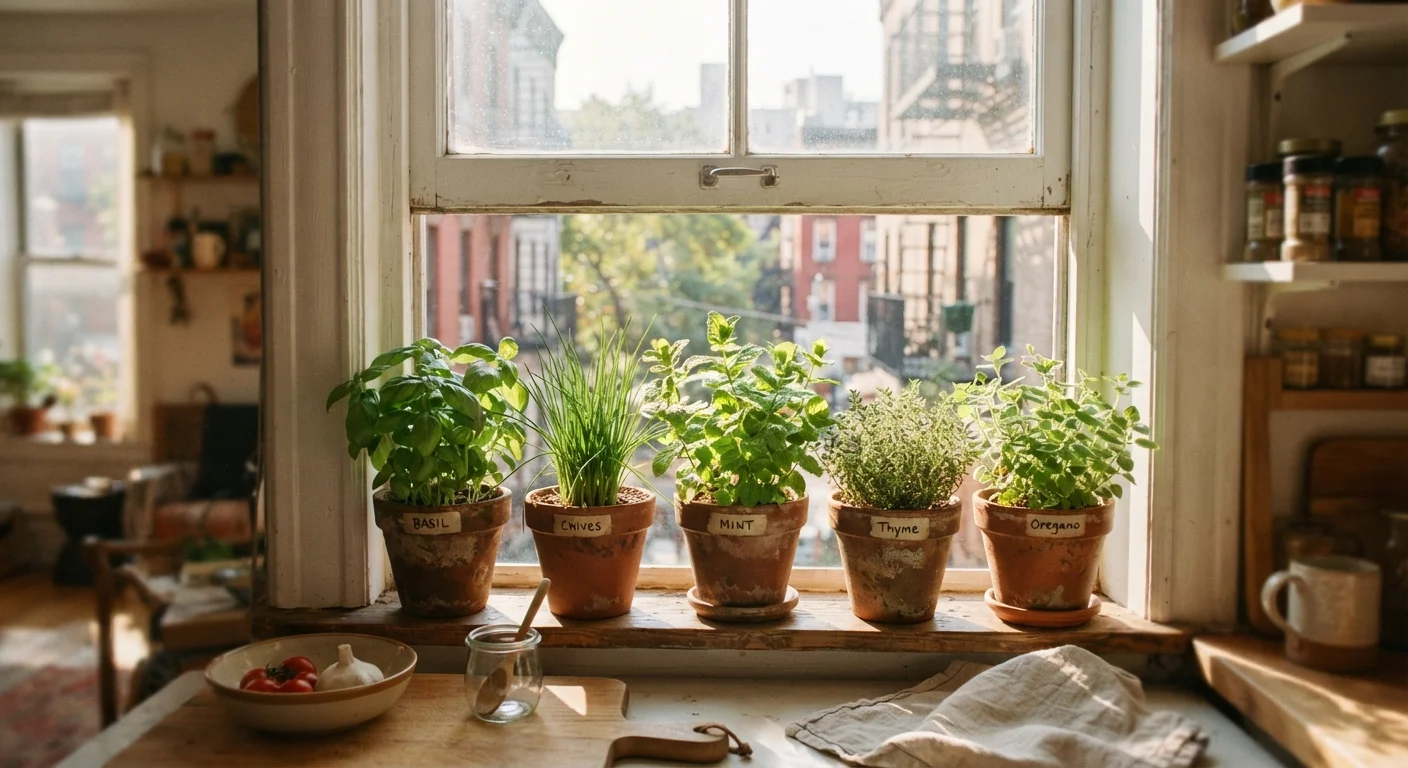
Photo: AnswersSquad.com | Explore Insightful Blogs editorial
Key Takeaways
- Most culinary herbs need at least four to six hours of direct sunlight daily to thrive indoors.
- Drainage is critical - pots without drainage holes will cause root rot within weeks.
- Basil, chives, mint, and parsley are among the most forgiving herbs for beginners.
- Harvesting regularly by pinching stems actually encourages fuller, bushier growth.
- A south- or west-facing window is the most reliable light source for windowsill herbs in the US.
Why a Windowsill Herb Garden Makes Sense
A kitchen herb garden doesn't need a backyard, raised beds, or even a balcony. A single sunny windowsill can supply fresh basil for pasta, chives for scrambled eggs, and mint for teas - all within arm's reach. For renters and apartment dwellers, this is one of the most practical and immediately rewarding forms of indoor growing.
Beyond convenience, tending a small herb garden builds a foundational understanding of how plants work - light, water, soil, and harvest cycles. If you're curious about expanding your indoor garden beyond herbs, our beginner's guide to apartment gardening covers containers, soil, and easy starter plants in more depth. For those ready to think bigger, vertical gardening on walls and shelves is a natural next step when floor and windowsill space runs out.
What you will need
What You'll Need Before You Start
A successful windowsill setup doesn't require much - but the right materials make a real difference. Drainage is the most non-negotiable factor: pots without holes will trap water at the root zone and kill most herbs within weeks. Everything else on the list below supports healthy, long-lasting growth.
4-6 inch pots with drainage holes
Provide proper root space and prevent waterlogging for individual herb plants.
Container potting mix
Delivers the aeration and nutrients herbs need; garden soil compacts too densely in pots.
Saucers or drip trays
Catch excess water to protect windowsills and floors from moisture damage.
Herb seeds or starter plants
The starting material - seedlings are faster; seeds are more economical.
Small scissors or herb snips
Used for harvesting without damaging plant stems.
Grow light (LED, full-spectrum)
Supplements natural light in low-light apartments or during winter months.
Step-by-Step: Setting Up and Maintaining Your Herb Garden
Follow these steps in order for the smoothest setup experience. Each decision - from window selection to harvesting technique - builds on the last. Skipping steps is possible, but the most common beginner failures (dead plants, stunted growth) usually trace back to a missed foundation step.
Choose the right window
Identify your sunniest window before buying a single pot. In the US, south-facing windows receive the most consistent direct light year-round, while west-facing windows offer strong afternoon sun. North-facing windows rarely provide enough light for most culinary herbs without supplemental lighting.
If your apartment has limited natural light, a small full-spectrum LED grow light placed 6-12 inches above your plants for 12-14 hours a day can reliably fill the gap.
Select herbs suited to windowsill conditions
Not every herb handles indoor life equally. Stick with proven performers for your first setup:
- Basil - loves warmth and sun; grows quickly and rewards frequent harvesting
- Chives - very tolerant, low-maintenance, and regrow after cutting
- Mint - vigorous and nearly indestructible, though it must be kept in its own pot
- Parsley - slower growing but reliable in moderate light
- Thyme - drought-tolerant; prefers slightly drier conditions than basil
Avoid cilantro as a starting point - it bolts (goes to seed) quickly indoors and can be frustrating for beginners.
Set up containers with proper drainage
Each herb should have its own container - combining herbs in one pot works only when their water needs match closely. Fill each pot with container potting mix to about an inch below the rim. Do not use garden soil; it compacts in small containers and restricts root growth.
Place a saucer under every pot. This protects your windowsill and allows you to pour away standing water after 30 minutes - never let pots sit in pooled water.
Plant seeds or transplant starter plants
If using starter plants, gently loosen the root ball before placing it in the pot, then fill around it with potting mix and press lightly to eliminate air pockets. Water immediately until it drains from the bottom.
If starting from seed, follow packet depth instructions (most herb seeds are sown at the soil surface or just beneath it), keep the soil consistently moist until germination, and expect two to four weeks before seedlings are established enough to harvest.
Establish a watering routine
Check your herbs every two to three days by pressing a finger one inch into the soil. Water only when the top inch feels dry. Pour water slowly at the base of the plant - not over the leaves - until it runs through the drainage hole.
In warm months, small pots dry out faster and may need water every day or two. In winter, the same pot might only need water once a week. Adjust based on what the soil tells you, not a fixed schedule.
Harvest regularly to encourage growth
Begin harvesting as soon as each plant is well established and has several sets of leaves - typically two to four weeks after transplanting. To harvest, pinch or snip stems just above a leaf node (where leaves branch off the stem). This signals the plant to produce two new stems from that point, creating bushy, productive growth.
For basil specifically, remove any flower buds as soon as they appear. Once a basil plant flowers, leaf production slows significantly and the flavor can become more bitter.
Snip, Don't Strip
Mint Must Have Its Own Pot
Keeping Your Herb Garden Going Through the Seasons
One of the surprises for first-time indoor gardeners is how much seasonal change affects a windowsill environment. In winter, days shorten and indoor heating dries the air - herbs slow their growth and need less frequent watering. In summer, the same pots may need daily attention. Rotating pots a quarter-turn every week ensures all sides of the plant get even light exposure and prevents lopsided growth.
If you find your herbs struggling as seasons shift, our article on keeping an apartment garden healthy year-round covers the habits and routines that make the biggest difference. And for a broader look at urban food growing - from windowsills to balconies - The Complete Apartment Gardening Playbook is a useful end-to-end reference.
Overwatering Is the Most Common Mistake
The content provided on our blog site traverses numerous categories, offering readers valuable and practical information. Readers can use the editorial team’s research and data to gain more insights into their topics of interest. However, they are requested not to treat the articles as conclusive. The website team cannot be held responsible for differences in data or inaccuracies found across other platforms. Please also note that the site might also miss out on various schemes and offers available that the readers may find more beneficial than the ones we cover.