
Apartment Gardening from the Ground Up

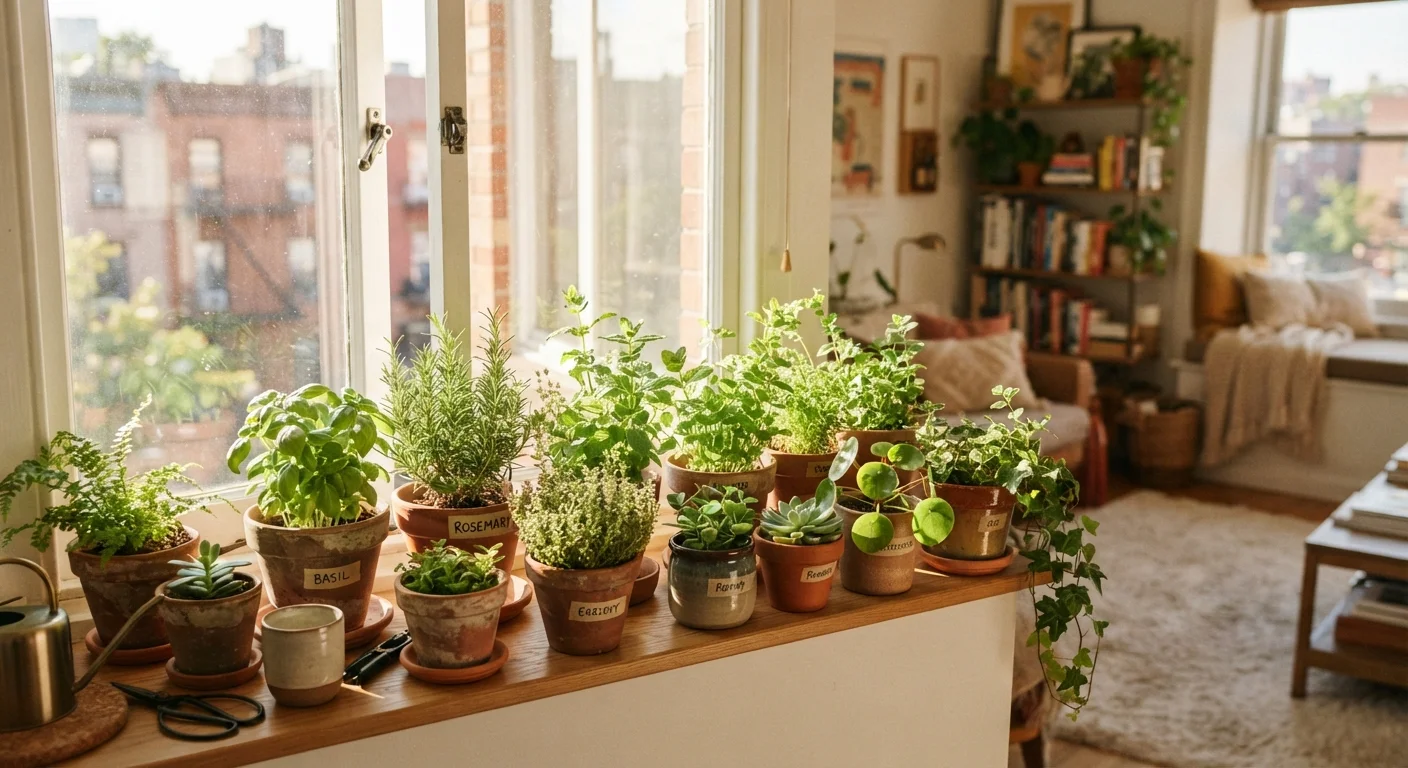
Photo: AnswersSquad.com | Explore Insightful Blogs editorial
Key Takeaways
- Light availability is the single most important factor to assess before choosing any plant.
- Drainage is non-negotiable - containers without holes lead to root rot.
- Potting mix, not garden soil, is the right growing medium for containers.
- Several herbs and houseplants thrive in low-light, small-space conditions.
- Apartment gardening does not require permanent fixtures or lease violations.
Why Apartment Gardening Is More Doable Than You Think
A lot of renters assume gardening requires a yard, a shed, and years of experience. In practice, you need three things: a container, some potting mix, and enough light. The rest is learned as you go.
Apartment gardening covers everything from a single herb pot on a kitchen windowsill to a fully planted balcony growing edible greens. You do not need to start ambitious. A few small wins - a basil plant that survives its first month, a pothos that actually grows - build confidence fast.
This guide is part of The Complete Apartment Gardening Playbook, designed to take you from zero knowledge to a functioning indoor garden. Before you buy anything, it helps to run through a setup checklist covering the basics you will want to have in place first.
Potting mix
A soil-free or soil-reduced growing medium designed specifically for containers. It stays loose, drains well, and supports healthy root growth in pots.
Drainage holes
Openings at the bottom of a container that let excess water escape. Without them, water pools at the roots and causes rot.
Indirect light
Bright light that does not fall directly on the plant - for example, near a window but not in the beam of direct sun. Many houseplants prefer this.
Grow light
An artificial light source designed to provide the spectrum of light plants need to photosynthesize. Useful when natural window light is limited.
Root rot
A condition where roots decay due to sitting in consistently wet, poorly drained soil. It is one of the most common reasons houseplants die.
Perlite
A lightweight volcanic material added to potting mixes to improve drainage and prevent soil from compacting around roots.
Start With Light: The Factor That Decides Everything
Light is the variable that most beginners underestimate. A window that feels bright to you may still be low-light from a plant's perspective. Before picking any plant, spend a day noticing which windows get direct sun, which stay bright but shaded, and which are dim most of the day.
- South-facing windows generally receive the most light and are suitable for sun-loving herbs and vegetables.
- East- or west-facing windows provide moderate, indirect light - good for many houseplants.
- North-facing windows stay dim and are best suited for low-light tolerant plants like pothos or snake plants.
If your space is genuinely dark, grow lights are a practical solution. They do not need to be elaborate - a basic LED setup on a timer can make a dim corner viable for growing. Our article on container gardening vocabulary explains the key terms you will encounter when shopping for one.
Use the Shadow Test for Light Assessment
Containers, Soil, and Drainage Basics
The container you choose matters more than its appearance. The two non-negotiable features are drainage holes and appropriate size. Roots sitting in standing water will rot. A pot that is too large for the plant holds excess moisture and invites the same problem.
For soil, always use a potting mix rather than soil scooped from outdoors. Garden soil compacts in containers, cuts off airflow to roots, and can introduce pests. A standard potting mix is formulated to stay loose and drain well. For succulents and cacti, look for a blend with added perlite or coarse sand. Our detailed breakdown of potting mix versus garden soil versus coco coir can help you choose the right medium for your plants.
If you are renting, keep floor protection in mind. Drip trays under every pot are a practical habit. For further guidance on what modifications are and are not safe to make in a rental, see our guide on renting and gardening without risking your deposit.
Easiest Plants to Start With
Choosing beginner-friendly plants is not about settling - it is about setting yourself up for early success. These are plants that can handle inconsistent watering, imperfect light, and the inevitable learning curve.
- Pothos
- Tolerates low light and infrequent watering. Grows quickly and is very forgiving of neglect.
- Snake plant
- Handles low light and dry conditions. Nearly impossible to overwater if you let the soil dry out completely between waterings.
- ZZ plant
- Extremely drought-tolerant, does well in indirect light, and grows slowly - meaning less repotting.
- Chives
- A practical herb for a bright windowsill. Grows back after cutting and requires minimal fuss.
- Mint
- Grows vigorously in a pot near a window. Keep it contained - it spreads aggressively if given too much room.
For a wider selection with detailed care notes, see plants that genuinely thrive in apartments. If you have balcony access and want to grow food, growing food on a balcony covers what actually yields results in containers.
Keeping Your Garden Going
Starting a garden is the easy part. Keeping it healthy over months and seasons takes a few consistent habits.
- Check soil moisture before watering - press a finger an inch into the soil. If it still feels damp, wait.
- Rotate containers periodically so all sides of the plant receive even light exposure.
- Watch for early signs of trouble - yellowing leaves, wilting despite moist soil, or white crust on the pot surface each signal a specific issue worth investigating.
- Adjust for the seasons - indoor light levels drop noticeably in winter, and most plants slow their growth accordingly. Watering less often during this period is usually the right move.
Seasonal changes affect apartment plants more than many beginners expect. Keeping an apartment garden healthy year-round covers the routines that make the difference between a struggling plant and a thriving one. If you want to make the most of limited floor space, vertical gardening for renters is a natural next step.
Frequently Asked Questions
The content provided on our blog site traverses numerous categories, offering readers valuable and practical information. Readers can use the editorial team’s research and data to gain more insights into their topics of interest. However, they are requested not to treat the articles as conclusive. The website team cannot be held responsible for differences in data or inaccuracies found across other platforms. Please also note that the site might also miss out on various schemes and offers available that the readers may find more beneficial than the ones we cover.